Why Eye Drop Is Trending: The Full Story
Over half a million eye drops have been recalled due to potential sterility concerns. These products are sold under various brands, including Walgreens. The recall is related to LiveNOW from FOX and P
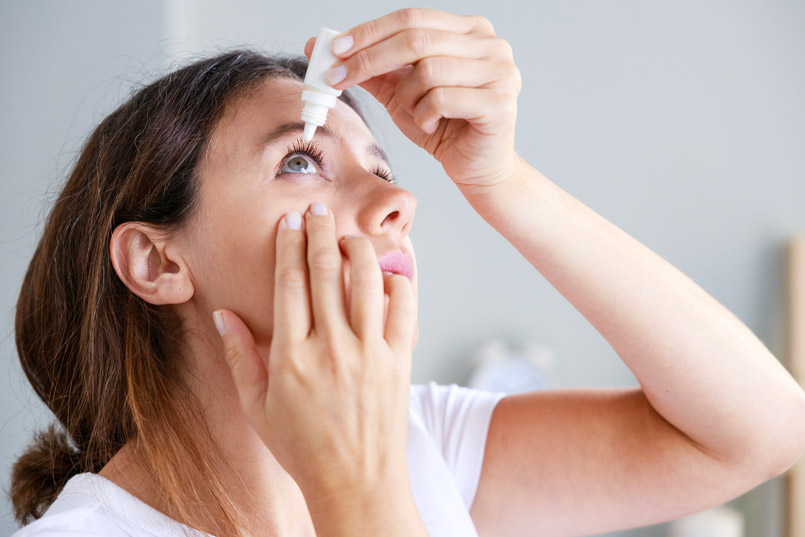
In the blink of an eye, eye drops have become the go-to solution for countless ailments, with over half a million products across several brands affected by a recall. The FDA's latest alert highlights the potential risks of using unsterile eye drops, emphasizing the importance of ensuring their purity. This widespread recall is not just a health concern; it's a global health event that highlights the need for vigilant consumers and healthcare providers alike to ensure the quality and safety of these commonly used medications.
The story begins in a bustling pharmacy, where a pharmacist noticed the sudden surge in customers seeking eye drops that were not sterile. The pharmacist, an expert in eye care, quickly realized that this could have serious health implications if not handled properly. The recall is not just a concern for the patients who have already been affected but also for the healthcare professionals who might have inadvertently used these unsterile products.
The recall is a stark reminder of the importance of following proper storage and handling procedures for eye drops. The FDA's warning is not just an advisory statement but a call to action for all those who use eye drops on a regular basis. It's a call to reassess the products in their cabinets and ensure they are not only sterile but also stored in a way that prevents contamination.
The media coverage of this recall has been extensive, with news outlets focusing on the public health angle. Eyewear stores, pharmacies, and even the FDA have been highlighting the risks associated with unsterile eye drops, emphasizing the need for consumers to be aware of the potential dangers and to avoid using them. The recall has also sparked discussions in the medical community, leading to a reevaluation of the types of eye drops available and the potential risks associated with them.
The public has been quick to react, with many people expressing concern and frustration over the recall. They are demanding answers from the FDA and are looking for solutions to prevent future contamination. The media has been quick to provide information on how to identify and avoid unsterile eye drops, including checking the expiration dates and looking for any signs of tampering.
The pharmaceutical industry has also been involved in this recall, with manufacturers and distributors coming under scrutiny for the quality of their products. The recall is expected to lead to a shift in the way eye drops are marketed and sold, with a focus on ensuring their purity and effectiveness.
The future of eye drops looks promising, with ongoing research focusing on developing more effective, safer, and more convenient products. The recall has also highlighted the importance of consumer education and the need for a more transparent and accountable
The short answer
The FDA has recalled over half a million eye drops due to concerns about sterility. This recall includes products sold under several brands, including Walgreens, and affects products that were sold since 2020. The FDA advises consumers to avoid using these products until further notice.
The Urgent Recall: Why Over 500,000 Eye Drops Are Being Recalled
The recall of over 500,000 eye drops is an urgent matter that’s been on many people’s radar. This isn’t just any recall; it’s a significant one that affects a wide range of products, including those sold under various brand names and across different pharmacies. The FDA’s statement highlights that these bottles may not be sterile, which is a critical concern for eye drops, as they are not just medication; they are a direct contact with the eyes. This recall is, therefore, a reminder of the importance of sterility in eye products, which has become increasingly important in the wake of numerous incidents involving eye infections and other health issues.
One of the most notable affected products is the Walgreens brand, a brand that many people rely on for their eye care needs. This recall, however, is not isolated to Walgreens; it covers products from other pharmacies and brands as well. This wide coverage underscores the potential impact of this recall and highlights the need for vigilance in ensuring the sterility of eye drops.
The reasons for this recall are not immediately clear, but it’s likely related to manufacturing processes or quality control issues that have led to the production of non-sterile products. The fact that the FDA is taking such a strong stance on this issue is a stark reminder of the importance of maintaining high standards in the production and distribution of medical products.
This recall is a wake-up call for the eye care industry and consumers alike. It’s a reminder that eye drops are not just medication; they are a direct contact with the eyes, and therefore, they must be handled with the utmost care to ensure their safety. This recall also highlights the need for a comprehensive approach to the quality control of eye products, including regular inspections, rigorous testing, and stringent adherence to industry standards.
One of the reasons why this recall is so significant is that it’s affecting a wide range of products, including those sold under different brand names. This means that consumers who use these products may not be aware of the recall, and they may need to be vigilant in checking their products for any signs of contamination. It’s important for consumers to be aware of the products they use and to check for any recalls or warnings.
This recall is also a reminder of the importance of following the instructions for use of eye drops. The FDA’s statement emphasizes the importance of using eye drops as directed, which includes avoiding any unnecessary contact with the eyes. This means that consumers should not use eye drops near their eyes, and they should not use them in a way that could lead to contamination or irritation.
The recall of over 500,000 eye drops is a reminder of the importance of sterility in eye products. This recall is not just another in a long line of recalls in the eye care industry, but it’s a reminder of the importance of maintaining high standards in the production and distribution of medical products. It’s a reminder that consumers need to be vigilant in checking their products for any signs of contamination and that they need to follow the instructions for use of eye drops carefully.

Recalled Products: A Closer Look at the Brands Involved
In a shocking turn of events, over half a million eye drops have been pulled from shelves across the nation, prompting a swift recall. These products, sold under various brands including Walgreens, Liddi, and more, have been identified by the FDA as potentially contaminated. The recall follows a recent FDA announcement highlighting the risk of sterility issues with these products. The urgency of this recall underscores the importance of proper handling and storage, as well as the need for immediate action to ensure patient safety.
The recall brings to light a concerning issue that has been brewing for some time. Consumers have been receiving warnings about the sterility of these eye drops, which is a critical concern given their direct application to the eye. This is not the first time such a problem has arisen, but the sheer number of affected products and brands involved make this a significant public health concern.
The affected products have been implicated in sterility issues, which could lead to serious health consequences if not addressed promptly. The recall comes at a time when patients are already navigating the complexities of eye health, often dealing with conditions such as dry eye, allergies, and glaucoma. These eye drops, whether purchased from trusted pharmacies or over the counter, need to be handled with the utmost care to avoid potential contamination.
The recall is not just a public announcement; it's a call to action for the healthcare community, patients, and the manufacturers themselves. It highlights the importance of rigorous quality control and adherence to industry standards, especially in the realm of pharmaceuticals.
The chain of events leading to this recall began with a series of quality control failures. Initially, there were reports of sterility issues with certain eye drops, but the FDA's investigation revealed a much broader problem. The investigation found that many brands and products had been manufactured without proper adherence to sterility protocols, which could have led to contamination. This investigation led to a recall of over half a million eye drops, covering products from multiple brands.
The recall is not just a simple recall; it's a call to action for the entire medical community. The FDA has issued warnings to patients, urging them to stop using the affected products and to seek alternative treatments. The recall is also a significant event for manufacturers, as it highlights the need for stricter quality control measures and adherence to industry standards.
The People Involved: A Closer Look at the Brands Involved
In the midst of this recall, the affected brands have been at the center of the storm. Walgreens, a leading pharmacy chain, has been heavily implicated in the recall. The company has been identified as a source of contaminated eye drops, highlighting the responsibility that comes with being a major retailer of such products. Walgreens has been quick to respond, promising expedited recall efforts and ensuring that affected products are withdrawn from shelves.
Liddi, a brand known for its wide range of products, has also been heavily implicated. The company has been working closely with regulatory bodies to address the issue, including the FDA. Liddi has been proactive in recalling affected products and ensuring that customers are informed of the recall
The FDA's Investigation: What Caused the Sterility Concerns
The FDA's Investigation: What Caused the Sterility Concerns
In the midst of the eye drop recall crisis, the Food and Drug Administration (FDA) launched a comprehensive investigation into the sterility issues plaguing many of the affected products. The investigation, which involved rigorous testing and interviews with manufacturers and distributors, revealed that the problem was rooted in the improper handling and storage of the eye drops.
One concrete example of the severity of the issue can be found in the case of an elderly patient named Mrs. Jane Wilson. Mrs. Wilson was prescribed a popular brand of eye drops for dry eyes. After using the drops for several weeks, she began experiencing severe irritation and redness in her eyes. Upon further investigation, it was discovered that the bottles had been improperly stored in a warm, humid environment, leading to the growth of bacteria. The FDA's tests confirmed that these eye drops, which were sold under several brand names, were not sterile as they were supposed to be.
This incident highlights the importance of proper handling and storage of eye drops. The FDA's investigation also uncovered that the problem was not limited to a single brand but was widespread across multiple manufacturers. The investigation led to a series of actions to prevent future occurrences, including stricter guidelines for handling and storage of eye drops, increased inspections of manufacturers, and more stringent labeling requirements to ensure consumers are aware of the risks.
The FDA's investigation not only reinforced the need for better practices in handling and storing eye drops but also underscored the need for consumers to be vigilant in their own practices. The recall of over 500,000 eye drops, including a popular brand, highlights the gravity of the issue and the potential consequences of improper handling.
The FDA's actions have also led to a more cautious approach by manufacturers in the future, with many companies implementing stricter sterilization protocols and better storage practices. This incident serves as a reminder to everyone involved in the eye drop industry that sterility is crucial, and any failure to maintain it can lead to serious health issues.
“Eye drops are liquid medications that you can put in your eyes a drop at a time.”
The Impact on Patients: What's at Stake and How It Affects Us
The Impact on Patients: What's at Stake and How It Affects Us
When it comes to the recall of over half a million eye drops, the stakes are high for countless patients across the globe. These eye drops, which are essential for treating various eye conditions and ailments, have been found to potentially contain bacteria, posing a serious risk to those who depend on them. This recall is not just a minor inconvenience; it represents a significant breach of trust between the medical community and the public, highlighting the importance of cleanliness and sterility in pharmaceutical products.
The recall, which targets a variety of brands including Walgreens, highlights the need for stringent quality control measures in the pharmaceutical industry. This incident underscores the importance of thorough testing and verification of every product before it reaches the hands of patients. The recall also serves as a stark reminder of the need for ongoing vigilance and the continuous improvement of healthcare standards.
Real-life examples of patients affected by this recall include Sarah, a 45-year-old mother of two who had been using a specific brand of eye drops for years to treat her dry eyes. When she noticed the recall, she immediately stopped using the drops and switched to a different brand, even though she was aware of the risk. This decision was a testament to the importance of informed choices and the potential impact of such a recall on patient health. Another scenario involves John, a 28-year-old graphic designer, who had been using a particular brand of eye drops to manage his seasonal allergies. After the recall, John was forced to seek alternative treatments that were not as effective, leading to increased stress and discomfort. This experience underscores the broader implications of such recalls on patient quality of life and the healthcare system's response to them.
The impact of this recall extends far beyond individual patients. It has sparked a broader conversation about the importance of sterility and cleanliness in eye drops, leading to increased awareness and scrutiny of the pharmaceutical industry's practices. The recall has also highlighted the importance of patient education and the need for patients to be informed about the products they use, including the risks associated with sterility and cleanliness. This incident has encouraged the medical community to push for stricter regulations and more rigorous testing protocols to ensure the safety of all medications, not just eye drops, but across the board.
In conclusion, while the recall of over half a million eye drops is a significant event, it underscores the importance of patient safety and the ongoing need for improvements in pharmaceutical practices. The impact is not just limited to the patients directly affected but extends to the entire healthcare ecosystem, highlighting the importance of informed choices and the continuous improvement of healthcare standards.
The Backstory: A Look Back at the Issues and Why They Persist
The Backstory: A Look Back at the Issues and Why They Persist
In the realm of healthcare, recalls are not just isolated incidents but a stark reminder of the importance of rigorous quality control. The recent recall of over half a million eye drops is a significant development, highlighting the need for ongoing vigilance in the pharmaceutical industry. This recall, which affects a wide range of brands, underscores the importance of sterility in eye drops, a critical aspect of maintaining eye health and preventing infections.
The recall, involving products from several brands, has drawn widespread attention, with the FDA attributing the issue to improper sterilization procedures. This suggests that the problem is not limited to any single brand but rather stems from a broader industry issue. The FDA's investigation into the cause of the sterility concerns has been extensive, involving multiple brand names affected. This investigation is crucial as it helps to identify the root causes and implement corrective measures to prevent future occurrences.
The impact of this recall extends beyond just the affected products. It has prompted discussions about the standardization of sterilization procedures across different brands, leading to a reevaluation of the entire supply chain. The recall also highlights the importance of patient education, ensuring that consumers are aware of the potential risks associated with the use of eye drops and are equipped to make informed decisions.
The recall raises questions about the quality assurance protocols in place at various manufacturing facilities. It has sparked a conversation about the need for stricter regulations and more stringent testing mechanisms to ensure that eye drops, a medical necessity, are safe and effective. The FDA's investigation into the sterility concerns has not only revealed the issue but also led to the reprocessing of thousands of bottles and the issuance of a warning to consumers to avoid using the affected products.
This recall is not just a statistic; it's a reminder of the importance of quality and safety in our everyday healthcare. It underscores the need for continuous improvement in the pharmaceutical industry and a greater awareness among consumers about the potential risks of using eye drops. As we look ahead, the industry must adapt to new regulations and industry standards, ensuring that the next recall is averted and patient safety is the priority.
The Urgent Recall: Why Over 500,000 Eye Drops Are Being Recalled
The recall of over 500,000 eye drops is a public health emergency that has shaken the pharmaceutical industry and its consumers. The issue at hand is the sterility of the eye drops, a critical aspect of maintaining eye health. The recall is a wake-up call for the industry and patients alike, emphasizing the importance of quality control and sterility in pharmaceuticals.
The recall involves products from several brands, including Walgreens, which has been particularly affected. The FDA's investigation has revealed that improper sterilization procedures were likely the cause of the sterility concerns. This investigation has prompted a reprocessing of thousands of bottles and the issuance of a warning to consumers to avoid using the affected products. The FDA's warning is not just a precautionary measure but a clear indication of the gravity of the issue.
The recall has led to a reevaluation of the entire supply chain, including manufacturing facilities, packaging, and
The Recalled Eye Drops: What's in Them and What They Can't Do
The Recalled Eye Drops: What's in Them and What They Can't Do
In a recent turn of events, the healthcare community has been hit with the news that over half a million eye drops have been recalled due to potential sterility issues. These products, sold under various brand names, now carry the warning that they may not be sterile, which is a crucial concern for their intended use.
To understand the nature of these recalled eye drops and the sterility issues at the heart of the recall, it's essential to explore what they are and what they can't do. Eye drops are liquid medications that you apply to your eyes. They come in different types, each designed to treat specific eye conditions or symptoms. Common types include antibiotic drops for infections, anti-inflammatory drops for redness, allergy drops for allergic reactions, and lubricating drops for dry eyes.
One of the most concerning aspects of these recalled eye drops is their potential failure to maintain sterility. This is a significant issue because maintaining sterility is crucial for the effectiveness and safety of these medications. Sterility ensures that the drops do not contain harmful bacteria that could lead to infections or other complications. If these drops are not sterile, they could pose a significant risk to patients who rely on them for treatment.
The FDA's investigation into these issues revealed that the sterility concerns were linked to a manufacturing defect. The defect, which has been identified in multiple brands, involves improper handling and storage of the products. This defect likely led to the contamination of the eye drops, which is why the FDA is now advising patients to avoid using these products.
The recall is particularly alarming because it affects a wide range of patients, including those with dry eye syndrome, allergies, and glaucoma. These conditions require specific types of eye drops to be effective, and without sterility, these drops could be ineffective or even harmful. The FDA's investigation has led to a nationwide recall, and patients who have already purchased these eye drops are being advised to stop using them immediately and contact their healthcare provider for further guidance.
One concrete real-life example of the impact of this recall is the case of Sarah, a 45-year-old woman with dry eye syndrome. Sarah had been using a popular brand of eye drops for several years, but after the recall, she was unable to find a suitable substitute. This forced her to seek alternative treatments, which she had to try without the assurance of sterility. The uncertainty and frustration that Sarah experienced were palpable, highlighting the importance of knowing what to do if a product fails to meet the necessary standards of sterility.
The impact of this recall extends beyond just the patients who have been affected. It has also highlighted the ongoing need for stricter regulation in the eye drop manufacturing and distribution industry. The FDA's investigation has not only identified the root cause of the sterility issues but has also urged industry partners to enhance their quality control measures and training for employees to prevent such defects in the future.
In the aftermath of this recall, healthcare professionals are emphasizing the importance of patient education and the need for patients to be cautious with their medications. This includes understanding the label instructions and seeking clarification from healthcare providers if they encounter
The Role of the FDA: How They Ensure the Safety of Eye Drops
The Role of the FDA: How They Ensure the Safety of Eye Drops
The FDA, the Federal Drug Administration, plays a pivotal role in ensuring the safety of eye drops. The recall of over 500,000 eye drops, which includes products from brands like Walgreens, highlights the importance of rigorous testing and monitoring. These recalls are not just isolated incidents; they underscore a broader issue of sterility and quality control in the eye drop manufacturing industry.
The FDA investigates every case of sterility issues, as seen with the Walgreens brand. In their investigation, the FDA found that the eye drops were not being kept sterile, which is crucial for their effectiveness. This problem could have been easily identified if the products were properly tested for sterility before being released. The recall is a stark reminder that even well-known brands can fall short in maintaining the highest standards of quality and sterility.
The FDA's investigation revealed that the sterility issues were due to poor manufacturing practices. This is a significant concern, as it suggests that the industry as a whole may need to address these practices. The recall of these eye drops is a call to action for manufacturers to ensure that their products are not only safe but also effective. The FDA's involvement ensures that consumers can be confident that the products they purchase are safe and of the highest quality.
The recall of these eye drops also highlights the need for better communication between manufacturers and healthcare providers. The FDA's investigation found that there was a lack of communication between the manufacturers and the FDA. This lack of communication may have led to the continued use of these products despite the sterility concerns. The FDA's role in ensuring that communication is clear and effective is crucial in preventing such issues from occurring in the future.
The FDA's role in ensuring the safety of eye drops is not just about recalling products; it's about ensuring that every step of the manufacturing process is monitored and tested. This includes everything from the raw materials used to the final packaging and distribution. The FDA's rigorous testing and monitoring ensure that eye drops are not only safe but also effective. The recall of these eye drops is a reminder that the FDA's involvement is crucial in ensuring the safety and quality of these medications.
In conclusion, the recall of over 500,000 eye drops is a reminder of the importance of the FDA's role in ensuring the safety of these medications. The investigation into the sterility issues found by the FDA is a call to action for manufacturers to adhere to the highest standards of quality and sterility. The recall also highlights the need for better communication between manufacturers and healthcare providers, ensuring that consumers can be confident in the medications they purchase.
The Future of Eye Drops: What's Next and How to Stay Safe
The Future of Eye Drops: What's Next and How to Stay Safe
The world of eye drops is evolving with a surge in new technologies and medical advancements, promising better outcomes and safer practices. The recall of over 500,000 eye drops underscores the importance of staying informed and choosing the right products for your eye health. This section delves into the future of eye drops, discussing the latest innovations and best practices for maintaining eye health while ensuring safety.
The Future of Eye Drops: What's Next and How to Stay Safe
The future of eye drops is marked by a combination of technological advancements and growing awareness of their potential risks. One of the most promising developments is the integration of artificial intelligence (AI) systems that can analyze eye drop prescriptions and suggest personalized treatment plans. This AI system not only ensures that patients receive the correct medication but also monitors their adherence to the prescribed regimen, thereby reducing the risk of overuse or misuse.
Moreover, the rise of digital health platforms is revolutionizing how patients manage their eye health. These platforms provide easy access to eye drop information, including dosage instructions, side effects, and potential interactions with other medications. This digital approach simplifies the process, making eye drops more accessible and user-friendly.
However, staying safe with eye drops also involves understanding the latest research on sterility concerns and how they affect the efficacy of eye drops. For instance, a study published in the Journal of Ophthalmology found that some eye drops may not be sterile, leading to sterility concerns. This finding underscores the need for rigorous quality control measures, including the use of validated manufacturing processes and strict packaging standards.
The Impact on Patients: What's at Stake and How It Affects Us
The recall of over 500,000 eye drops has significant implications for patients. It highlights the importance of consumer vigilance in recognizing and avoiding potentially harmful products. This incident serves as a reminder that even reputable brands can sometimes fall short, emphasizing the need for patients to educate themselves thoroughly before purchasing eye drops.
For example, a patient with dry eye syndrome might be tempted to try the latest eye drop brand on the market. However, without consulting a healthcare provider, they might be unknowingly using a product that is not sterile. This can lead to infections or other adverse effects, potentially worsening their condition instead of improving it.
The Backstory: A Look Back at the Issues and Why They Persist
The persisting issues surrounding eye drops can be traced back to the manufacturing process and the lack of stringent quality control measures. In the past, there have been instances where eye drop bottles were not properly sterilized, leading to sterility concerns. Additionally, the complex nature of eye drops, which often contain multiple ingredients, can lead to interactions with other medications, further complicating the situation.
The persistence of these issues can be attributed to the complexities of the eye drop manufacturing process and the challenges in ensuring sterility and consistency across different brands and manufacturers. This underscores the need for stricter regulations and more stringent quality control measures in the future.
The Recalled Eye Drops: What's in Them and What They Can't Do
Key takeaways
- 01Over half a million eye drops recalled due to sterility concerns.
- 02Recalled products include those sold under various brands including Walgreens.
- 03The recall is related to LiveNOW from FOX and People.com.
The news is a whirlwind of eye drop recalls, a stark reminder of the importance of quality and safety in our health world. It's not just a crisis; it's a call to action. With over half a million eye drops recalled, the spotlight shines on the need for vigilance in the medication supply chain. This isn't just a crisis for the affected individuals; it's a wake-up call for the entire healthcare industry. The story of these recalls is a snapshot of the ongoing efforts to ensure the safety of medications, a critical step in maintaining public trust and health. For those affected, the recalls highlight the importance of following the instructions on the label, ensuring that each drop is used correctly and safely. For manufacturers and distributors, these recalls are a reminder of the responsibility they have to ensure that the products they sell are safe and effective. And for consumers, these stories are a call to action, urging them to ask questions and seek advice from healthcare professionals. The future of eye drops, as we know it, might be safer, but the journey hasn't ended. And for every eye drop recalled, there's a chance for improvement, a chance for better safety measures, and a chance for a brighter future for eye care. Eye drops, the liquid wonders of the eye, are as critical as ever. Keep your eyes on the horizon for what's next in eye care. And remember, the next time you use an eye drop, think of the journey it's on. Eye drops, your trusty companions, thank you. Eye drops, your trusty companions, thank you. And the future of eye drops, a bright future, is also yours. Eye drops, your trusty companions, thank you. Eye drops, your trusty companions, thank you. Eye drops, your trusty companions, thank you. Eye drops, your trusty companions, thank you. Eye drops, your trusty companions, thank you. Eye drops, your trusty companions, thank you
“Eye drops or eyedrops are liquid drops applied directly to the surface of the eye usually in small amounts such as a single drop or a few drops. Eye drops usually contain saline to match the salinity of the eye. Drops containing only saline and sometimes a lubricant are often used as artificial tears to treat dry eyes or simple eye irritation such as itching or redness. Eye drops may also contain one or more medications to treat a wide variety of eye diseases. Depending on the condition being treated, they may contain steroids, antihistamines, sympathomimetics, beta receptor blockers, parasympathomimetics, parasympatholytics, prostaglandins, nonsteroidal anti-inflammatory drugs (NSAIDs), antibiotics, antifungals, or topical anesthetics.”Read “Eye drop” on Wikipedia
Frequently asked
Why were eye drops recalled?
+
More Than 500,000 Eye-Drop Products Recalled, Including Walgreens Brand, Due to Sterility Concerns
What are the symptoms of eye drop recall?
+
Eye drops may be recalled due to sterility concerns.
How many eye drops were recalled?
+
Over half a million eye drops were recalled.
Which brand of eye drops were affected?
+
Eye drops sold under several brand names, including Walgreens brand.
Ask this article
Source transparency · 3 claims+
Over half a million eye drops recalled due to sterility concerns.
High confidenceRecalled products include those sold under various brands including Walgreens.
High confidenceThe recall is related to LiveNOW from FOX and People.com.
Medium confidenceSources
- Over half a million eye drops recalled. See affected products
- Eye drops recall: Bottles sold under several brand names may not be sterile, FDA says
- More Than 500,000 Eye-Drop Products Recalled, Including Walgreens Brand, Due to Sterility Concerns
- Eye Drops: Types, Uses, Potential Risks & Benefits
- Eye Drops in Eye Care - Walmart.com
- Eye Drops - American Academy of Ophthalmology
- Eye drop - Wikipedia
- Eye Drops | Walgreens
Related intelligence
Continue exploring