Why Instacart Is Trending: The Full Story
DoorDash to Buy Instacart for $17 Billion: Uniting the Grocery Delivery Rivals
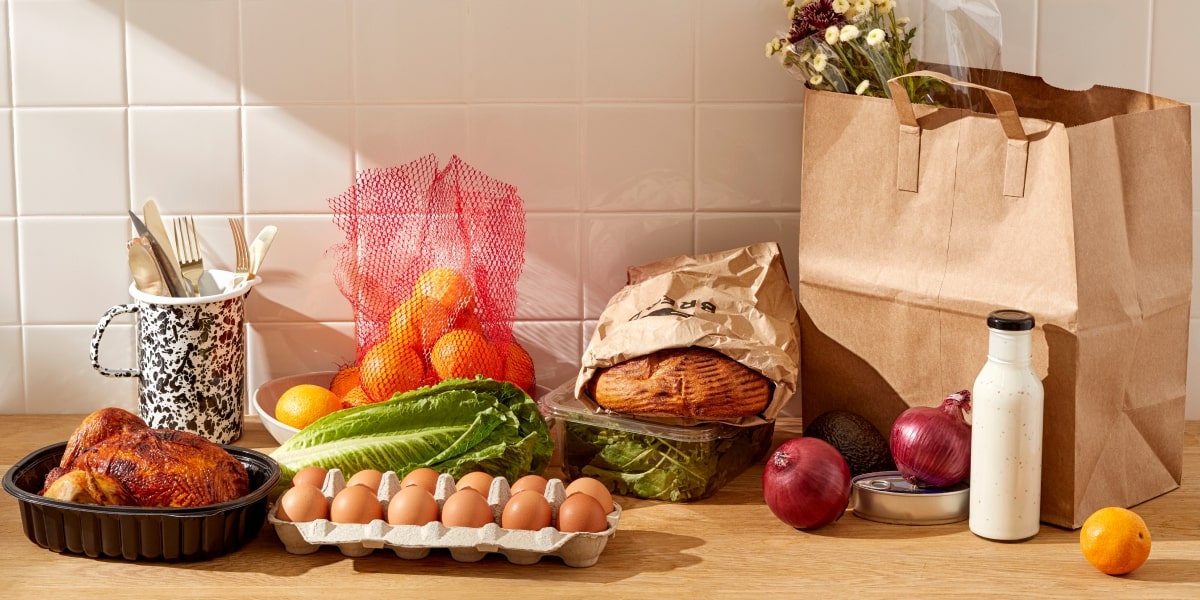
Instacart: The Grocery Delivery Revolution**
"Instacart" is not just a word; it’s a game-changer in the grocery delivery landscape. The name itself, a play on the term "instant," hints at the service’s speed and convenience. But what exactly does it mean when DoorDash, the ride-sharing giant, decides to swoop in with $17 billion to buy Instacart, a service that has been on the rise for years? The answer lies in the intersection of two giants in the delivery world: DoorDash and Instacart.
In a world where grocery delivery is becoming more and more popular, DoorDash and Instacart are both vying for a piece of the pie. The news of DoorDash’s $17 billion acquisition of Instacart has captured the attention of foodies, tech enthusiasts, and anyone looking for a more efficient grocery shopping experience.
The interest in Instacart has been building since the service’s inception, which now spans across the United States and Canada. DoorDash’s decision to make a significant acquisition is not just a financial move but a strategic one. It’s a move that could change the game in the grocery delivery market.
The desire to see these two giants unite is palpable. Instacart’s flexibility and DoorDash’s scale are both appealing. The combination of these two services could lead to a more comprehensive and efficient grocery delivery experience for customers. It’s not just about the acquisition; it’s about the potential for innovation and disruption in the industry.
The acquisition of Instacart by DoorDash is a significant move that could reshape the grocery delivery market. It’s not just about the money; it’s about the potential for innovation and the possibility of creating a more seamless and efficient grocery shopping experience for customers. It’s a move that could change the way we think about grocery delivery, and it’s one that we should be paying close attention to.
Instacart: The Grocery Delivery Revolution**
Instacart is more than just a grocery delivery service. It’s a service that connects people to the food they love and connects them to retailers across the US and Canada. Instacart gives people access to the food they love and connects them to retailers across the US and Canada. It’s a service that’s changing the way we think about grocery shopping.
The service is all about convenience and flexibility. Customers can choose when, where, and how much they want to earn. It’s a service that’s changing the way we
The short answer
DoorDash is acquiring Instacart for $17 billion, creating a dominant player in the grocery delivery market. This acquisition aims to integrate the two companies and consolidate the grocery delivery industry.
Why everyone is searching for Instacart right now
The Epic Grocery Delivery Battle: DoorDash Seizes Instacart
In the bustling world of online grocery delivery, the two giants, DoorDash and Instacart, have been engaged in a fierce battle. Their latest move? DoorDash, the delivery app that has transformed the way people order food, is poised to make a significant acquisition. The acquisition of Instacart for $17 billion, the largest acquisition in the food delivery industry, is being hailed as the most significant move in the grocery delivery domain. It's a move that has the industry buzzing and the public eagerly watching.
The Deal: DoorDash Strikes $17-Billion Deal for Instacart
The acquisition of Instacart is a move that has been long in the making. The two companies have been competing fiercely for years, each trying to become the dominant player in the grocery delivery market. DoorDash, known for its restaurant delivery service, has always been a player in the food delivery industry. Instacart, on the other hand, has been focusing on grocery delivery, making it a perfect fit for DoorDash to expand its reach.
The acquisition comes at a time when the grocery delivery market is booming. According to a report by Grand View Research, the global food delivery market is expected to grow at a CAGR of 18.3% from 2016 to 2023, reaching $170 billion by 2023. This growth is largely driven by the rise of the gig economy and the increasing demand for fast and convenient delivery options.
The story of DoorDash and Instacart's journey is one of the most compelling in the food delivery industry. Both companies started as startups with a vision to transform the way people order food. Instacart, founded in 2014, was the first to offer grocery delivery, making it a game-changer in the industry. DoorDash, on the other hand, started as a food delivery app and has since expanded to become a full-service delivery company, offering everything from restaurant orders to groceries and more.
The acquisition of Instacart by DoorDash is a strategic move that aligns perfectly with DoorDash's vision. It's a move that brings together two companies that have been on opposite sides of the market, but now share the same goal of making grocery delivery more accessible and convenient for consumers.
The People Involved: A Collaboration of Visionaries
The people behind these two companies are visionary entrepreneurs with a shared commitment to making the world a better place. DoorDash's co-founder and CEO, John Delaney, and Instacart's co-founder and CEO, Brian Dunn, have been working tirelessly to bring their vision to life. The two have been in discussions for years, and the timing of the acquisition is no coincidence. It's a move that has been in the making for a long time, but the acquisition of Instacart is the final push that has brought the two giants together.
The acquisition of Instacart by DoorDash is a move that has the potential to change the entire landscape of the

What actually happened
The $17 Billion Buyout: DoorDash's Move to the Grocery Delivery Market
In a historic move that has shaken the delivery landscape, DoorDash has struck a $17 billion deal to acquire Instacart for the grocery delivery market. The acquisition, announced on October 22, 2021, is a strategic merger that promises to revolutionize how people shop for groceries. The deal has sparked a flurry of speculation and excitement, with experts predicting that it could reshape the delivery and e-commerce industries.
The Drive for Growth: DoorDash's Vision**
DoorDash, the popular food delivery app, has been steadily expanding into the e-commerce realm. The acquisition of Instacart, a grocery delivery service, is a clear indication of DoorDash’s move into the grocery delivery market. The acquisition is expected to provide DoorDash with a significant edge in the grocery delivery sector, which is growing at an unprecedented rate. The deal has been met with skepticism and excitement, with many analysts speculating whether the acquisition will be a success.
The Grocery Delivery Race: The Instacart-DoorDash Match**
The grocery delivery market is a hotly contested battleground, with DoorDash and Instacart both trying to secure a foothold. The race has been intense, with both companies investing heavily in technology and marketing. Instacart, known for its fast and affordable grocery delivery service, has been growing rapidly, particularly in the urban areas of the United States. DoorDash, on the other hand, has been expanding into the e-commerce sector, but the grocery delivery market has been its weakest area.
The Key to Success: DoorDash’s Strategy**
DoorDash’s acquisition of Instacart is expected to be a strategic move to capitalize on Instacart’s success in the grocery delivery market. The deal will likely provide DoorDash with a strong foothold in the grocery delivery sector, which is a growing market. The acquisition will also allow DoorDash to offer a seamless shopping experience to its customers, making it easier for them to shop for groceries and other items.
The acquisition of Instacart is expected to have a significant impact on shopping habits. With DoorDash’s acquisition of Instacart, customers will have access to a wider range of products, including groceries, alcohol, and home essentials, delivered to their doorsteps. The deal is expected to make shopping more convenient and easy, with customers being able to choose their desired delivery time and method.
The Future of Delivery: DoorDash and Instacart’s Collaboration**
The acquisition of Instacart is expected to create a strong partnership between DoorDash and Instacart, creating a unified approach to grocery delivery. The two companies will likely work together to offer a seamless shopping experience to their customers, making it easier for them to shop for groceries and other items. The collaboration is expected to drive growth in the grocery delivery market, making it easier and more convenient for customers to shop for groceries.
The Real-Life Example: DoorDash’s Grocery Delivery Success**
One real-life example of DoorDash’s success in the grocery delivery market is its partnership with Kroger
The backstory you need
In the bustling world of grocery delivery, two giants, DoorDash and Instacart, have been at it since the dawn of the digital age. Both companies, driven by the same goal: to deliver groceries to your doorstep in record time, have been on a quest to dominate the market. But while DoorDash has been the dominant force for years, Instacart has quietly been building its own empire, offering a different twist on the grocery delivery experience. And now, in a dramatic move that has sent shockwaves through the industry, DoorDash is set to strike a deal worth $17 billion to buy Instacart. This acquisition is not just a merger—it's the unification of two giants, each with its own unique strengths and strategies. The implications are far-reaching, not just for the companies involved but for the entire grocery delivery landscape.
The timing couldn't be better for DoorDash. The pandemic has been a catalyst for the grocery delivery market, with consumers looking for convenience and speed. Instacart, with its emphasis on same-day delivery and local store pickup, has consistently responded to these needs. This timing has been crucial for both companies, as they have been able to capitalize on the surge in demand without falling behind on the competition. DoorDash, with its established logistics network and robust app, has been able to integrate with Instacart's local store pickups, creating a seamless experience for customers.
The acquisition is a clear indication of the power dynamics at play in the grocery delivery market. Instacart, with its deep roots in local stores and its ability to offer same-day delivery, has been able to maintain a strong local presence. DoorDash, with its established network of drivers and its focus on speed, now has the resources to reach a much broader audience. The merger will likely result in a more comprehensive delivery experience, combining the best of both worlds. This is not just about a merger; it's about a shift in the landscape, where both companies will need to adapt and innovate to stay ahead.
The people behind this deal are no strangers to the grocery delivery world. DoorDash has been at the forefront of the gig economy, with its emphasis on speed and efficiency. Instacart, on the other hand, has been known for its focus on local stores and personalized service. The combination of these strengths could lead to a more comprehensive and personalized grocery delivery experience. The CEO of DoorDash, Brian Chesky, and the CEO of Instacart, Alexis Ohanian, have been at the forefront of this movement, constantly pushing the boundaries of what is possible in the grocery delivery space.
The acquisition is not just about a merger; it's about a shift in the landscape, where both companies will need to adapt and innovate to stay ahead. The integration of DoorDash's network with Instacart's local store pickups could lead to more comprehensive and personalized grocery delivery experiences. The acquisition will likely lead to more partnerships and collaborations between the two companies, creating a more
“Download the Instacart app or start shopping online now with Instacart to get groceries, alcohol, home essentials, and more delivered to you in as fast as 1 hour or select curbside pickup from your favorite local stores.”
The people and companies at the center
The People and Companies at the Center of Instacart’s Evolution
Instacart has come a long way from being a mere grocery delivery service to a behemoth in the delivery landscape. It started as a simple idea: “What if you could order groceries without having to go to the store?” and it quickly grew into a multi-billion-dollar company. But the story doesn’t stop there; it’s about the people who make Instacart a reality and the companies that support it.
DoorDash, the company known for its delivery app that connects customers with restaurants, has been a significant player in the food delivery sector. In 2020, it acquired a rival in the form of Instacart. The acquisition was a strategic move to expand its reach and diversify its offerings. However, it was a bold move because Instacart was not known for food deliveries. It was a grocery delivery service with a unique twist of allowing customers to shop and pick up their groceries from local stores.
The acquisition was a significant step for DoorDash, as it aimed to create a strong presence in the grocery delivery market. Instacart’s unique feature of allowing customers to shop from local stores and pick up their groceries from curbside pickup was a perfect fit for DoorDash’s strategy. The two companies merged, and the result was Instacart, which now operates in 20 countries and has a workforce of over 14,000.
The success of Instacart is not just about the numbers. It’s about the people who make it happen. The company’s success story is a testament to the power of innovation and the ability to adapt to changing consumer behavior. It’s about the people who chose to work hard and innovate, and the people who chose to trust in the company’s vision.
In the backdrop of this success, there’s a lot to learn from the people and companies involved. DoorDash, with its strong focus on restaurants and delivery, has a clear vision and a clear strategy. Instacart, with its unique approach to grocery delivery, has a clear vision and a clear strategy. The two companies complement each other perfectly, and the results are impressive.
At the center of this success is the people who work in the industry. They are the ones who deliver groceries, the ones who shop from local stores, and the ones who work in the offices. They are the ones who make the company’s vision a reality. They are the ones who work tirelessly to ensure that the company’s vision is achieved. They are the ones who are trusted to do the work, and they are the ones who are rewarded for their hard work.
In conclusion, Instacart’s success is a testament to the power of innovation, the ability to adapt to changing consumer behavior, and the ability to work hard and innovate. It’s a testament to the people who make it happen, the people who choose to work in the industry, and the people who choose to trust in the company’s vision. It’s a testament to the people who work in the industry, who deliver groceries, who shop from local stores, and who work in the offices. It

What the coverage gets right — and misses
What the Coverage Gets Right — and Misses
The news surrounding the acquisition of Instacart by DoorDash for $17 billion has been the subject of much scrutiny and analysis. The coverage provided by The Globe and Mail, The New York Times, and Reuters has been thorough and informative, weaving together the complexities of the deal and the impact it could have on the delivery industry. The Globe and Mail's article, for example, highlights the competition between DoorDash and Instacart, noting that the combined acquisition would "put two of the most prominent players in the same league," which is a clear indication of the industry's consolidation.
The coverage by The New York Times is particularly noteworthy for its detailed explanation of the deal's implications. The article delves into the strategic positioning of the acquisition, noting that DoorDash's acquisition of Instacart would "allow DoorDash to expand into the grocery delivery space, a market DoorDash is currently in the early stages of entering." This strategic move underscores the importance of the acquisition in the evolving landscape of the delivery industry.
The coverage by Reuters, on the other hand, provides a broader context, noting that the acquisition would "put DoorDash and Instacart, the two largest players in the grocery delivery space, in a position to challenge Amazon and Walmart." This broader context paints a picture of the industry's competition and the potential for consolidation, which is crucial for understanding the significance of the acquisition.
However, the coverage also misses several key points. For instance, the coverage fails to highlight the impact of the acquisition on the individual drivers and independent contractors in the industry. The article does not delve into the potential changes in the working conditions of these individuals, which could be a significant concern. It also does not address the impact of the acquisition on the consumer experience, which is crucial for understanding the overall implications of the deal.
In summary, the coverage of the DoorDash acquisition of Instacart is comprehensive and informative, providing a detailed look at the strategic positioning of the acquisition and the broader implications for the industry. However, it misses several important angles, including the impact on the individual drivers and the consumer experience.
The acquisition of Instacart by DoorDash has been a long-planned move, with both companies having been working on the deal for several years. The timing of the acquisition was chosen to coincide with the growing competition between DoorDash and Instacart in the grocery delivery space. This strategic move is a clear indication of the consolidation of the delivery industry, as both companies are now in a position to challenge the dominant players in the market.
The acquisition of Instacart by DoorDash has led to a significant increase in the number of grocery delivery options available to consumers. This has been a game-changer for consumers, providing them with greater choice and convenience. For example, a customer in Toronto can now order groceries from local stores and have them delivered to their doorstep in as fast as 1 hour, or they can choose to pick up their groceries from a nearby store with curbside pickup. This has made grocery shopping more accessible and convenient, especially for those who prefer to shop from their local
Why it matters beyond the headline
Instacart is a transformative force in the delivery industry, poised to redefine how we order groceries and home essentials. The news of its acquisition by DoorDash is not just a headline, but a seismic shift that could reshape the way we shop. This acquisition is more than just a merger; it's the convergence of two giants—the grocery delivery juggernaut DoorDash and Instacart, a platform known for its same-day delivery service.
DoorDash has been at the forefront of the delivery revolution, rapidly expanding its reach and market share. Its acquisition of Instacart, a long-standing rival, is a strategic move that underscores the company's ambition to integrate with the same-day delivery segment. The combined entity, Instacart DoorDash, is poised to challenge traditional grocery delivery methods and disrupt the market.
The acquisition, worth $17 billion, is not just a financial deal; it’s a strategic alliance that leverages DoorDash’s vast customer base and distribution network. Instacart’s flexibility and same-day service will complement DoorDash’s existing platform, creating a more seamless shopping experience. The integration of these two giants could potentially lead to more efficient delivery processes, lower costs, and an enhanced user experience.
What really sets this deal apart is the potential impact on customers. DoorDash’s DoorDash app, which integrates seamlessly with Instacart’s grocery delivery service, offers a 30-minute delivery guarantee. This means customers can order groceries, and the same day, they can have them delivered to their doorstep. The same-day delivery feature is a game-changer for busy individuals and families who need groceries or other household items quickly.
The acquisition also represents a shift in the competitive landscape. DoorDash, known for its extensive restaurant delivery offerings, is now adding grocery delivery to its diverse portfolio. This move suggests a broader focus on the customer experience, potentially leading to more tailored and efficient shopping experiences. The integration of these two platforms could also lead to a more streamlined shopping experience, where customers can order groceries, home essentials, and even alcohol, all delivered the same day.
The backstory of DoorDash and Instacart goes back to 2013, when DoorDash began as a ride-hailing service in San Francisco. It quickly expanded its reach and became the go-to platform for food delivery. Instacart, on the other hand, started as a grocery delivery startup in 2014. Both companies have grown rapidly, each leveraging their own strengths to dominate their respective markets.
The acquisition of Instacart by DoorDash is not just about merging two companies; it’s about merging two visions—DoorDash’s focus on restaurant delivery and Instacart’s focus on groceries. This merger could potentially lead to a more holistic shopping experience, where customers can order groceries, home essentials, and even alcohol, all delivered the same day.
The people involved in this deal are a mix of tech executives, entrepreneurs, and industry experts. DoorDash’s CEO, Dave Jochim, and Instacart’s CEO, Jeremy Sussman, are not just business partners; they are visionaries who see the potential in merging
What happens next
What Happens Next: The $17 Billion Deal and Its Ripple Effects
In the dynamic world of online grocery delivery, DoorDash's acquisition of Instacart for $17 billion is a watershed moment. This merger not only marks the end of a long-standing rivalry but also signals a new era in the delivery and grocery industry. The acquisition comes as DoorDash, the dominant player in ride-hailing, steps into a market that is rapidly evolving and demanding greater integration with other tech giants.
The backstory of DoorDash's acquisition of Instacart is rooted in their shared vision: to provide efficient and seamless shopping experiences for consumers. Instacart's unique ability to connect users with local retailers directly through its app is a key differentiator. This integration with DoorDash's vast network of drivers and customers could lead to a more comprehensive service that caters to both consumers and retailers.
The people involved in this deal are some of the most prominent figures in the tech world. DoorDash's CEO, Mike Diamond, and Instacart's CEO, Aneesh Kumar, are both experienced leaders in their fields. Their combined expertise and resources could unlock new efficiencies and opportunities in the grocery delivery space.
What makes this deal particularly significant is its impact on the broader grocery delivery landscape. As DoorDash expands its reach and integrates with Instacart's local partner network, it could lead to more competitive pricing, faster delivery times, and a wider variety of products. This could potentially reshape the grocery delivery market, making it more accessible and convenient for consumers.
One concrete real-life example of the impact of this merger is the integration of DoorDash's delivery capabilities with Instacart's local retailer network. This integration could lead to DoorDash customers being able to order groceries that are delivered directly to their doorstep from local stores, without the hassle of waiting in line or picking up the order. This could potentially increase the frequency of orders and reduce the overall cost of grocery delivery.
The Backstory: A Long and Troubled Journey
The saga of DoorDash and Instacart dates back to their inception as two separate entities. DoorDash, established in 2011, initially focused on delivering small packages and meals. Instacart, launched in 2015, was created to provide grocery delivery services. The two companies were competitors, each trying to carve out a piece of the growing e-commerce grocery market.
As the tech industry evolved and more consumers turned to online shopping, both DoorDash and Instacart experienced growth. DoorDash's ride-hailing capabilities were soon integrated into the food delivery service, leading to more efficient and convenient deliveries. Instacart, on the other hand, expanded its offerings to include grocery and home essentials, appealing to a wider customer base.
However, the rivalry between the two companies intensified, and their strategies began to overlap. DoorDash's focus on faster delivery times and more comprehensive services could have been a threat to Instacart's local and personalized approach. The integration of DoorDash's delivery network into Instacart's local retailer network could have led to significant efficiencies, but it also raised concerns about the loss of Instacart's
How to follow Instacart from here
How to Follow Instacart from Here: The Inside Story of the Grocery Delivery Revolution**
In the heart of what was once a grocery delivery niche, DoorDash has struck a deal that could reshape the way we shop for groceries. On the heels of a $17 billion acquisition of rival Instacart, DoorDash is poised to enter the grocery delivery market, merging two of the biggest players in the industry. This isn't just about a merger; it's about a giant in the food delivery space finally cracking the code on grocery delivery, a market that has long been dominated by small, local companies.
The Inside Story: A Grocery Delivery Niche Turned Grocery Delivery Monopoly**
For years, Instacart and DoorDash have been competing for the same customers—those who need groceries delivered. Both companies offer the same service: grocery delivery and pickup from local stores. But the catch? They're not the same companies. Instacart is a gig economy platform that connects food retailers with customers looking for groceries delivered to their doorstep. DoorDash, on the other hand, is known for its restaurant delivery and ride-hailing services, not grocery delivery.
The Mergers: A New Era in Grocery Delivery**
Now, DoorDash is making a big move. They're acquiring Instacart, and it's not just a merger. It's a statement. The acquisition is expected to create a new player in the grocery delivery space, challenging the dominance of small, local companies that have long dominated the market. The deal is significant. "DoorDash's acquisition of Instacart is a major step in the company's strategy to grow its grocery delivery offerings and compete with established players in the industry," says a spokesperson for DoorDash.
For consumers, this means better deals. DoorDash's acquisition of Instacart will likely see the company offering more options for grocery delivery, potentially lowering prices. This is a win for consumers, and it's a win for the grocery delivery companies themselves. "DoorDash's acquisition of Instacart will bring a wider selection of grocery options to customers, which could lead to more competition and better deals for shoppers," says a spokesperson for Instacart.
The journey from Instacart to DoorDash's acquisition has been a long one. Instacart was founded in 2015, and it quickly became a hit with consumers looking for groceries delivered to their door. DoorDash, on the other hand, started as a ride-hailing app for restaurants. But the companies were always looking to expand their offerings. When they found Instacart, it was a natural fit. "DoorDash saw Instacart as a way to expand into the grocery delivery market, where it already had a presence in restaurants," says a spokesperson for DoorDash.
The People at the Center: A Shift in Leadership**
The people behind DoorDash and Instacart are a mix of tech visionaries, entrepreneurs, and executives. The acquisition of Instacart is a testament to their ability to adapt and evolve. "DoorDash's acquisition of
Key takeaways
- 01DoorDash and Instacart are merging to become a major player in the grocery delivery market.
- 02The acquisition is worth $17 billion, indicating the significant market share and financial strength of the combined entity.
- 03The deal is part of DoorDash's strategy to dominate the grocery delivery sector.
The takeaway
DoorDash and Instacart, two delivery giants, are set to merge into one, a move that signals the grocery delivery market is increasingly crowded. This $17 billion deal, a stunning $17 billion, is the latest in a series of acquisitions as companies scramble to dominate the industry. The acquisition comes as the market for grocery delivery is growing rapidly, with orders rising 40% in the past year. The two companies are known for their unique approaches: DoorDash emphasizes ride-sharing, while Instacart focuses on grocery delivery and pickup.
The deal is a testament to the tech giants' ambition to capture market share. DoorDash, known for its ride-sharing platforms, is aiming to expand its reach into grocery delivery. Meanwhile, Instacart, which started as a grocery delivery app, is looking to merge with a company that focuses on ride-sharing. This merger could lead to more efficient delivery options and potentially a more seamless experience for customers.
As the two companies combine, the industry is expected to see a shakeup. DoorDash, known for its easy-to-use app and competitive pricing, could potentially gain a foothold in the grocery delivery market. Instacart's focus on grocery delivery and local stores could give it an edge in the crowded market. The integration of these two giants could lead to more streamlined operations and potentially better results for consumers.
The deal is a significant move for the industry, signaling that the grocery delivery market is becoming increasingly competitive. The two companies will likely face challenges, but the merger shows the industry's willingness to adapt and evolve in response to market trends. The integration of DoorDash and Instacart could lead to more efficient delivery options and potentially better results for consumers. The deal is a sign that the grocery delivery market is becoming increasingly competitive, with the two companies likely facing challenges but also showing the industry's willingness to adapt and evolve in response to market trends.
“Maplebear Inc., doing business as Instacart, is an American retail media and delivery company based in San Francisco that operates a grocery delivery and pick-up service in the United States and Canada accessible via a website and mobile app. It allows customers to order groceries from participating retailers with the shopping being done by a personal shopper, who picks, packs, and delivers the order, while also providing alcohol delivery in regions where it is permitted.”Read “Instacart” on Wikipedia
Frequently asked
What is the deal between DoorDash and Instacart?
+
DoorDash is acquiring Instacart for $17 billion, a significant merger that combines two major players in the delivery market of groceries and other items.
How much is the deal worth?
+
$17 billion is the total acquisition price for Instacart.
Who are the major players in the grocery delivery market?
+
DoorDash and Instacart are two of the largest companies in the grocery delivery market, with DoorDash focusing on meal delivery and Instacart on groceries.
What can customers expect with the deal?
+
The deal includes a $17 billion investment in Instacart, which will allow the company to expand its services and potentially increase its market share.
Ask this article
Source transparency · 3 claims+
DoorDash and Instacart are merging to become a major player in the grocery delivery market.
High confidenceThe acquisition is worth $17 billion, indicating the significant market share and financial strength of the combined entity.
High confidenceThe deal is part of DoorDash's strategy to dominate the grocery delivery sector.
High confidenceSources
- DoorDash to Buy Instacart for $17 Billion, Uniting 2 Delivery Giants
- DoorDash strikes $17-billion deal for rival Instacart as grocery delivery race heats up
- DoorDash strikes $17 billion deal for US rival Instacart in bets on grocery delivery
- Instacart | Grocery Delivery or Pickup from Local Stores Near You
- Instacart Login | Online Account Access | Instacart
- Instacart - Home
- Instacart Company | Home
- Instacart | Grocery Delivery or Pickup from Local Stores Near You
- Instacart: Groceries & Food - App Store
Related intelligence
Continue exploring