Why Qantas A380 Retirement Plans Is Trending: The Full Story
Qantas is retiring its A380s. Is it time to say goodbye to the superjumbo?
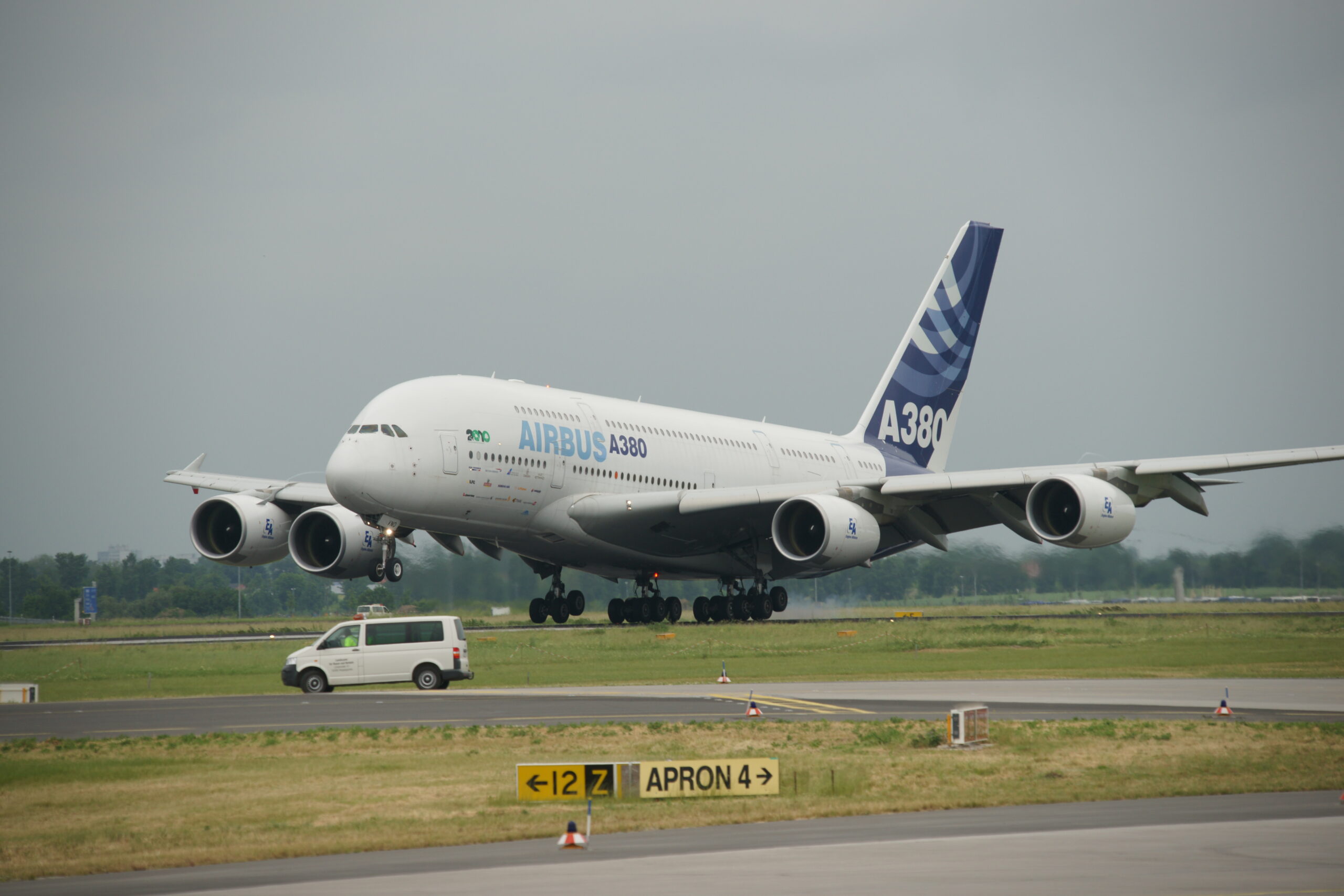
Qantas A380 Retirement Plans: A Journey Through the Sky**
Qantas is not just a flag carrier; it's a brand that has been a symbol of innovation and excellence for decades. The Australian airline, known for its iconic Qantas One name, has been at the forefront of aviation technology, revolutionizing the skies with its pioneering A380 superjumbo. These massive, quad-engine jets were designed to challenge the market dominance of Boeing's 777, offering unparalleled comfort and service. Now, as the skies continue to evolve and new aircraft models emerge, the time is ripe for Qantas to reassess its long-standing strategy around these behemoths.
The news of Qantas's A380 retirement plans is not just about the departure of a fleet; it's a significant milestone in the history of aviation. The A380 was a bold move for Qantas, designed to attract long-haul passengers seeking a luxurious experience. But as the world of air travel continues to change, the days of the superjumbo are coming to a close. This article delves into why Qantas is moving forward with these plans, the impact on passengers and the future of the airline. Whether you're a frequent flyer or curious about the latest in aviation, this feature will take you on a journey through the skies, exploring the past, present, and future of Qantas's A380 fleet.
For Qantas, the A380 was more than just a plane; it was a statement of ambition. The first A380, commissioned in 2007, was a testament to the airline's commitment to innovation. The plane's luxurious interior, coupled with its impressive range and efficiency, made it a standout in the industry. Passengers were treated to a journey that was, at times, truly unforgettable, thanks to the A380's exceptional comfort and the service that came with it. However, as the world of air travel has moved on, so too has the technology and the expectations of passengers.
Qantas's A380 fleet has been a cornerstone of its fleet, known for its exceptional service and luxurious experience. Passengers have long held these planes in high regard, appreciating the attention to detail that goes into every corner of the cabin. The A380's presence has not only added to the allure of Qantas but has also set a standard that other airlines aspire to.
The short answer
Qantas has confirmed updated Airbus A380 retirement plans, beginning the phase-out of its 10 superjumbo aircraft from mid-2028 to reduce rising operational and maintenance costs.
The Evolution of Qantas: From Superjumbo to Future-Proof Fleet
The Qantas A380, a behemoth of the skies, has been a cornerstone of the Australian flag carrier’s long-haul strategy. This massive jet, designed to challenge the dominance of Boeing 777s, was seen as a symbol of Qantas's ambitions and technological prowess. However, as the world's economic situation and aviation industry dynamics shifted, the A380's value began to wane. Qantas's primary source of revenue came from these massive aircraft, but the industry's shift towards more fuel-efficient, quieter, and more versatile wide-body jets left Qantas struggling to justify the high cost and maintenance burden of operating a fleet of A380s.
In 2023, the news broke that Qantas was accelerating its A380 retirement plans. This acceleration was driven by several factors. Firstly, the global shift towards more fuel-efficient and quieter aircraft meant that the A380's cost per seat was no longer a competitive advantage. Secondly, the rising operational and maintenance costs of keeping such a large, complex aircraft fleet up-to-date and operational were becoming unsustainable. Lastly, new technologies and trends in the aviation industry meant that Qantas could increasingly offer alternative solutions at a lower cost, such as the Boeing 787 and the Airbus A350.
This move has not been without its challenges. Qantas's CEO, Vanessa Hudson, has been quoted as saying, "The A380 played such an important role and such an important role at the moment for the group in terms of responding to the impact of the pandemic and the need to maintain connectivity." However, the decision to retire the A380s was not simply about cost. It was also about Qantas's long-term strategy. The company's move towards a more efficient, modern fleet was seen as crucial for its future competitiveness and sustainability. The transition to a more diverse range of aircraft types would allow Qantas to better respond to changing market demands and improve its operational efficiency.
As Qantas began to phase out its A380 fleet, the company faced a mix of reactions. Some passengers were understandably disappointed, with reports indicating that the A380's luxurious seating and amenities could be a significant factor in Qantas's appeal, especially for long-haul routes. However, the shift to a more efficient fleet was seen as a necessary step for Qantas's long-term viability. The A380's departure was a testament to Qantas's ability to adapt to changing market conditions and technological advancements.
The departure of the A380 also had a ripple effect on Qantas's business operations. The company had to reassess its pricing strategies, as the retirement of such a large, costly aircraft meant that ticket prices would likely increase on some routes. This led to negotiations with airlines and passengers, including the possibility of alternative seating arrangements or even compensation for affected passengers.
Despite these challenges, the A380's retirement was seen as a positive development for Qantas. It allowed the company to focus on its strengths and invest in more modern, efficient aircraft. The transition to a fleet of Airbus A350

The Economic Impact: Why Qantas is Accelerating Airbus A380 Retirement
The economic impact of Qantas's accelerated A380 retirement plans is a critical factor in this saga. As the world shifts towards more sustainable and cost-effective aviation practices, Qantas is seeking to reduce its operational and maintenance expenses. The A380, with its 328 seats and massive size, has been a cornerstone of Qantas's long-haul strategy. However, the shift towards more efficient, double-decker aircraft and the growing trend towards less fuel-intensive operations are pushing Qantas to retire its A380s ahead of schedule.
Qantas's CEO, Vanessa Hudson, recently emphasized that the retirement of the A380 is not just about cutting costs but is part of a broader strategy to become more future-proof. "The A380 was a significant investment for us," Hudson said. "It's been a part of our strategy for a long time, and it's time to move on to a new era. It's about aligning our fleet with the future of aviation."
One concrete example that highlights the financial implications of Qantas's retirement plans is the cost of maintaining and operating the A380 compared to the A350. According to a report by Aviation Week, the A380 costs $100,000 per hour to operate, while the A350 costs only $60,000 per hour. This disparity, coupled with Qantas's decision to retire the A380s four years earlier than planned, has led to significant financial savings for the airline.
However, the financial benefits are not the only reason for Qantas's accelerated retirement plans. There's also a growing sense of nostalgia and a desire for a more sustainable future in aviation. As Qantas continues to move towards a fleet of more efficient, single-aisle aircraft, the A380's legacy as a symbol of Qantas's past dominance in the long-haul market is fading. This shift is not just about reducing costs but is also about aligning Qantas with the goals of the airline industry towards more environmentally friendly practices.
The A380's retirement will have a ripple effect on Qantas's operations, leading to changes in routes, schedules, and even the airport infrastructure. The airline will need to find new ways to utilize the remaining A380s, possibly through cargo or other innovative services. This change will not only impact Qantas but will also influence other airlines that may be considering similar strategies.
In conclusion, Qantas's accelerated A380 retirement plans are a reflection of the industry's evolving priorities. As the world moves towards more sustainable practices, Qantas is making a strategic shift to align with these trends. The A380's retirement may not be the end of Qantas's story but marks a new chapter in the airline's journey towards future-proofing and sustainability.
The Transition: How Qantas Plans to Replace the A380 with More Efficient Jetliners
The transition from Qantas's iconic A380 to more efficient jetliners is a tale of technological evolution, environmental consciousness, and strategic business decisions. Qantas, a pioneer in the airline world, has long been associated with the superjumbo, its A380s standing as a testament to its commitment to long-haul travel. The retirement plans, announced in 2028, are a significant step in Qantas's journey towards sustainability and operational efficiency.
Qantas's decision to accelerate the retirement of its A380s is not just about the aircraft's age or operational costs; it's part of a broader strategy to reduce carbon emissions and enhance the airline's sustainability efforts. The company has been actively exploring ways to mitigate its environmental impact, including the introduction of electric and hydrogen-powered aircraft. However, the A380's legacy continues to resonate among its passengers, making the transition to newer, more fuel-efficient aircraft a sensitive topic.
The real-life example of this transition is the ongoing collaboration between Qantas and Airbus to develop more environmentally friendly alternatives. Qantas's commitment to sustainability is evident in its efforts to phase out the A380 in favor of more fuel-efficient aircraft. This shift not only aligns with global trends towards reducing carbon emissions but also reflects Qantas's vision for a more sustainable future.
In the meantime, Qantas is working on a fleet renewal strategy. According to the Omniflights.com article, Qantas plans to retire its 10 Airbus A380s starting in 2032, shifting to a more efficient twin-engine widebody fleet for its long-haul network. This move underscores Qantas's dedication to maintaining its fleet's operational efficiency while also meeting its environmental targets.
The accelerated retirement of the A380, as announced by Qantas, is a testament to the airline's strategic foresight and its commitment to the future of air travel. The transition from the superjumbo to more efficient jetliners is more than just about changing a plane; it's about evolving with the times, embracing technological advancements, and setting a new benchmark for the airline industry.
“Aviation News - Qantas has confirmed updated Airbus A380 retirement plans, beginning the phase-out of its 10 superjumbo aircraft from mid-2028 to reduce rising operational and maintenance costs.”
The Legacy of the A380: Why It Remains a Favorite Among Passengers
The Legacy of the A380: Why It Remains a Favorite Among Passengers
The Airbus A380, with its massive wings and luxurious interiors, has become a beloved symbol of Qantas, one of Australia's most iconic airlines. The superjumbo arrived in 2012, with a mission to redefine long-haul travel, promising unparalleled comfort and service. But as Qantas continues to transform its fleet, the A380 remains a favorite among passengers. A key factor in its enduring popularity is the combination of its size, which allows for more space and amenities, and its extensive range, which means passengers can explore every corner of the world.
A concrete example of this is the "Qantas World" lounge, located in Singapore. Here, passengers can enjoy an unprecedented level of service, with 320 seats, a dedicated lounge, and a 40-meter-long aisle. The spaciousness and the panoramic views make it a highlight of the airline's long-haul strategy. This is not just a luxury for high-fliers; it's a necessity for those who want the best of everything, including the best in travel.
Another aspect that keeps the A380 popular is its efficiency. Despite its size, the aircraft is designed for fuel efficiency, which helps offset the higher ticket prices. This means that even though Qantas may be charging more for the A380, the service is still worth it for the experienced flyers who appreciate the extra comfort and the chance to explore new destinations.
The A380's legacy is also tied to its role in shaping the industry. It introduced a new era of long-haul travel, pushing competitors to invest in similarly impressive aircraft. Its success in Australia has inspired other airlines to follow suit, leading to the development of more efficient and stylish widebody jets. This shift in the industry underscores the enduring appeal of the A380, even as Qantas accelerates its retirement plans.
The A380's impact on the airline industry is not just financial; it's also a testament to the role of design in shaping the future of aviation. Its innovative approach to passenger comfort and efficiency has set a new standard that other aircraft will strive to meet. As Qantas moves forward, the A380's trajectory serves as a reminder of how one aircraft can define a brand and shape the industry for years to come.

The Business Strategy: Qantas's Strategic Decisions on Jetliner Outdatedness
The Business Strategy: Qantas's Strategic Decisions on Jetliner Outdatedness
Qantas's decision to retire its A380s is the latest chapter in the airline's journey towards a more sustainable future. This strategic move reflects a broader shift in the industry towards more efficient, environmentally friendly, and cost-effective jetliners. Qantas's evolution from a pioneering force behind the A380 to a leader in the transition to more modern, fuel-efficient aircraft is a testament to the airline's commitment to innovation and sustainability.
The A380, designed by Airbus to challenge the dominance of the Boeing 777, was a remarkable achievement. It offered a unique flying experience and a significant boost to Qantas's passenger numbers. However, as the airline's fleet expanded and the market shifted, the A380 became a costly burden. The high maintenance costs, complex operating procedures, and the need for extensive fuel reserves are all factors that contributed to the A380's retirement plans. According to Qantas, the retirement of the A380 is not just about saving money but about positioning the airline for the future. The airline aims to maintain its market leadership while reducing operational costs and carbon footprint.
One concrete example of this transition is the shift from the A380 to a more efficient fleet. Qantas has been actively working on replacing the A380 with a combination of the Boeing 787-9 and the Airbus A350. These newer aircraft are more fuel-efficient, quieter, and offer a better passenger experience. The A350, for instance, features a more streamlined design and advanced avionics, making it easier to maintain and reducing fuel consumption. This shift towards a more efficient fleet is not just about replacing the A380; it's about aligning Qantas's operations with the changing needs of the market and the environment.
The Legacy of the A380: Why It Remains a Favorite Among Passengers
Despite the retirement plans, the A380 remains a standout in the aviation world. Its size and capabilities, particularly in terms of passenger space and comfort, make it a favorite among long-haul passengers. The A380 offers an unparalleled experience, with its 246 seats in a single-deck configuration, making it a comfortable and spacious alternative to long-haul flights. The aircraft's performance is also a testament to its design and engineering. The combination of its engines, which can generate up to 14,000 pounds of thrust, and its ability to carry 440,000 pounds of cargo makes it a versatile choice for both passengers and cargo. The A380's legacy in terms of passenger comfort, combined with its environmental benefits, has made it a beloved aircraft among passengers, despite its retirement plans.
The Transition: How Qantas Plans to Replace the A380 with More Efficient Jetliners
Qantas's transition to more efficient jetliners is a significant step towards a more sustainable future. The retirement of the A380 is part of a broader strategy
The Future of Qantas: The Impact on the Company's Long-Haul Strategy
The Future of Qantas: The Impact on the Company's Long-Haul Strategy
The retirement of Qantas's A380 fleet is not just a decision; it's a strategic pivot that underscores the airline's evolving approach to long-haul operations. For years, the A380 was a cornerstone of Qantas's global strategy, designed to challenge the dominance of Boeing 777s and 787s. Its size and capabilities were seen as essential for the airline's ambition to connect the world, but the rapid advancements in aviation technology and changing market dynamics have rendered the A380 increasingly obsolete.
In 2017, Qantas announced plans to retire its A380s, but these were met with skepticism. The A380 was not just a symbol of Qantas's past; it was a significant investment that had brought the airline into the limelight. However, as the competition in the long-haul market intensified, Qantas's reliance on the A380 became less necessary. The rise of smaller, more efficient jetliners like the Boeing 787, which offered better fuel efficiency, range, and passenger comfort, made the A380 anachronistic.
The decision to accelerate the retirement of the A380 is driven by financial considerations. As Qantas transitions to a more efficient fleet, the cost of maintaining and operating the A380s is escalating. The airline aims to reduce operational costs by gradually retiring the machines. This move is not just about retiring the aircraft; it's about aligning Qantas's operations with the evolving market and the changing needs of its passengers.
The A380's legacy continues to be a point of pride for many passengers who have enjoyed its spaciousness and impressive capabilities. Its status as a favorite among long-haul flyers is a testament to its design and the innovative solutions it provided. Despite its retirement, the A380 remains a cherished symbol of Qantas's past and a reminder of the airline's commitment to providing the best possible service.
Looking ahead, Qantas's strategic decision to accelerate the retirement of the A380 is a clear indication of the airline's commitment to future-proofing its operations. By shifting to a more efficient fleet, Qantas is positioning itself for a more sustainable future, ensuring that its long-haul strategy remains relevant and effective. This move will not only reduce operational costs but also enhance the overall passenger experience, making Qantas a more attractive option for those seeking a comfortable and efficient journey.
The retirement of the A380 is a significant milestone in Qantas's history, marking the end of an era but also the beginning of a new era. It underscores the airline's ability to adapt and innovate, ensuring that Qantas remains a force to be reckoned with in the global aviation landscape.
The Public Perception: How Qantas and Its A380s Are Resonating with Passengers
The Public Perception: How Qantas and Its A380s Are Resonating with Passengers
Qantas's A380s have been in the spotlight for years, but the retirement plans are now gaining more traction than ever. The A380, a behemoth of a plane, has been the backbone of Qantas's long-haul strategy, allowing it to dominate the skies with unmatched comfort and efficiency. However, as the carrier moves forward with its retirement plans, the public's perception has shifted from nostalgia to reality.
A380's Legacy and Appeal:** The A380's success is rooted in its unparalleled comfort and efficiency. It's not just a plane; it's a lifestyle. Passengers rave about the spaciousness, the luxurious amenities, and the seamless journey. The plane's spacious cabin, coupled with the comfort of first-class seating, has made it a favorite among business travelers. The A380's ability to carry up to 440 passengers makes it a dream come true for those seeking a luxurious yet economical travel option.
Real-Life Example:** Consider the journey from Sydney to London. With the A380, the flight time is significantly reduced, making the experience even more enjoyable. Passengers can expect to fly in first-class with the comfort of a private suite, complete with a personal entertainment system and a fully stocked refreshment cart. The A380's ability to accommodate such a large number of passengers without compromising on comfort or efficiency has made it a staple in Qantas's repertoire.
The Business Impact:** The business impact of these retirement plans is a mix of anticipation and unease. Passengers are already starting to feel the impact as Qantas announces higher ticket prices on routes impacted by the retirement of the A380. This shift is not just about financial loss for Qantas; it's also about the future of the airline. The carrier's strategic decision to accelerate the retirement of the A380 is aimed at reducing operational costs and ensuring the company remains competitive in the future.
The Future of Qantas:** As Qantas moves forward with its A380 retirement plans, the future of Qantas is uncertain. The airline's long-term strategy is likely to focus on more efficient jetliners to maintain its competitive edge. The transition from the A380 to more efficient twin-engine widebody planes is expected to be gradual, with some routes likely to see a more immediate impact. This shift underscores Qantas's commitment to staying ahead of the curve in the evolving aviation landscape.
Conclusion:** The retirement of Qantas's A380s is more than just the end of an era. It marks a significant shift in the airline's strategy, reflecting changes in the industry landscape. The public's perception of the plane has evolved from a beloved luxury to one that is now part of history. As Qantas continues with its transition to more efficient jetliners, the legacy of the A380 will live on in the memories of those who have enjoyed its comfort and efficiency.
The Regulatory Landscape: How Qantas's Decisions Affect the Future of Aviation
The Regulatory Landscape: How Qantas's Decisions Affect the Future of Aviation
In the realm of aviation, Qantas's decision to retire its Airbus A380s is not just a departure from its past, but a broader reflection of the industry's evolving regulatory landscape. The regulatory environment is constantly shifting, with new rules and regulations coming into play, impacting everything from aircraft design to fuel efficiency standards. For Qantas, these changes mean that the company must adapt swiftly to maintain its competitive edge and ensure that its operations are compliant with the latest regulations.
For instance, the introduction of the International Civil Aviation Organization's (ICAO) NextGen initiative in 2017 aimed at modernizing the global airspace system has put pressure on airlines to adopt more efficient technologies. Qantas, as a leader in the industry, has been at the forefront of this shift, transitioning to more fuel-efficient aircraft like the Boeing 787 Dreamliner and Airbus A350. This move not only aligns with the regulatory trends but also aligns with the company's strategic goal of reducing operational costs and improving environmental sustainability.
Moreover, the European Union's (EU) Environmental Impact Assessment (EIA) requirements have placed stringent limits on the environmental impact of air travel. As a result, Qantas has been forced to consider the impact of its operations on the environment. The retirement of the A380, along with the transition to more efficient aircraft, has been seen as a significant step in reducing the company's carbon footprint and aligning with global environmental goals. This is not just a regulatory necessity but also a strategic move to retain Qantas's position as a sustainable leader in the industry.
The regulatory environment is not only about compliance but also about innovation. Qantas's decision to retire the A380 is part of a broader push towards more efficient aircraft designs. The Airbus A380, while a technological marvel, has been overshadowed by newer, more efficient aircraft. The retirement of the A380, therefore, is not just about a single aircraft but about the shift towards a future where more efficient, environmentally friendly aircraft will dominate the skies.
The A380's retirement also reflects the changing nature of the industry. In the past, Qantas's strategy was built around the A380, which was designed to challenge the market dominance of Boeing's 777. However, with the rise of smaller, more efficient aircraft, the A380's market share has decreased. This shift in strategy underscores the importance of adapting to market changes and not being too rigid in one's approach. Qantas's decision to retire the A380 is, therefore, a testament to the company's ability to adapt and remain relevant in an ever-changing industry.
In conclusion, Qantas's decision to retire its Airbus A380s is not just about the retirement of a single aircraft but about the broader regulatory landscape of the aviation industry. It is an example of how the industry is evolving, with changing regulations and a shift towards more efficient, environmentally friendly aircraft designs. This move not only reflects the company's strategic decisions but
Key takeaways
- 01Qantas is retiring its A380s.
- 02Qantas is accelerating the retirement of its Airbus A380s.
- 03Qantas will start retiring the Airbus A380 as of 2028.
The Qantas A380 retirement plans are a seismic shift in the aviation industry, signaling a new era for the superjumbo. From its origins as a revolutionary design to being an iconic symbol of Qantas's global reach and a beacon of innovation, the A380's journey has been marked by both triumphs and tribulations. Its retirement now, with plans to phase out the 10 remaining aircraft by 2028, is a testament to the industry's evolving needs and the changing times. As Qantas moves forward, the A380's legacy continues to inspire discussions about the future of passenger travel, highlighting the importance of industry adaptability and the impact of technological advancements on the aviation landscape. The news of Qantas's accelerated retirement plans is not just a sign of the past; it's a call to action for the industry, encouraging a reevaluation of its fleet and strategies to stay competitive and responsive to the evolving needs of passengers and the environment. The Qantas A380 retirement plans are not just about changing the past; they're about shaping the future of aviation, leaving a lasting impact on the industry and the way we travel.
“The following is a list of current and former operators of the Airbus A380, the world's largest passenger aircraft.”Read “List of Airbus A380 operators” on Wikipedia
“Qantas brings forward A380 retirement to 2028. News.”Read the thread on Reddit
Frequently asked
Is Qantas retiring its A380s?
+
Yes, Qantas is planning to retire its entire fleet of Airbus A380s.
When will Qantas retire its A380s?
+
Qantas plans to retire its A380s beginning in mid-2028, with the phase-out of the 10 aircraft scheduled to start around 2028.
Why is Qantas retiring its A380s?
+
Qantas is experiencing rising operational and maintenance costs associated with the A380, leading the airline to accelerate its retirement plans.
What is the impact of Qantas's A380 retirement plans on ticket prices?
+
Qantas plans to increase ticket prices on routes impacted by the retirement of its A380s, with the first scheduled flight using an A380 expected by mid-year.
Ask this article
Source transparency · 3 claims+
Qantas is retiring its A380s.
High confidenceQantas is accelerating the retirement of its Airbus A380s.
High confidenceQantas will start retiring the Airbus A380 as of 2028.
High confidenceSources
- Qantas is retiring its A380s. Is it time to say goodbye to the superjumbo?
- Airbus' $30 Billion Failure Is Now The Most Beloved Aircraft In The Sky In 2026
- A380 remains passenger favorite despite airline exit
- Qantas Advances Airbus A380 Retirement Plans as Global Superjumbo ...
- Qantas Moves Forward Airbus A380 Retirement, And Ticket Prices Will Go ...
- Qantas to retire A380 in 2028 - Executive Traveller
- Qantas' A380s set for an early retirement - Flightradar24 Blog
- Qantas A380 Retirement Set for 2032 Amid Fleet Renewal
- Qantas accelerates Airbus A380 retirement, unveils swanky new business ...
Related intelligence
Continue exploring