Why Xbox Game Pass Subscription Cancellations Is Trending: The Full Story
Xbox Game Pass, PlayStation Plus, and Nintendo Switch Online subscriptions are increasingly being canceled due to rising costs. Over 40% of cancellations are blamed on price increases. This article ex
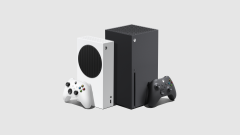
Xbox Game Pass Subscription Cancellations: A Growing Trend in Gaming Subscription Services**
The Xbox Game Pass, PlayStation Plus, and Nintendo Switch Online are among the most popular gaming subscription services, offering a wide range of games and premium gaming experiences. However, a concerning trend has emerged: more and more users are canceling their subscriptions due to rising costs. This phenomenon is not just a blip; it's a major concern for the gaming community and a significant shift in how users view gaming subscriptions.
In a recent survey, more than 40% of people who canceled their subscriptions did so because they felt the costs were too high. This statistic is alarming and highlights the importance of understanding the factors contributing to these cancellations. For example, a user might have started as a monthly subscriber, only to find the prices of the games they wanted to play had risen substantially. This sudden increase in costs can lead to a significant drop in user satisfaction and ultimately, in their willingness to continue paying for the service.
This trend is not limited to just one platform; it's a phenomenon that affects a broad spectrum of gamers. The reasons for subscription cancellations are varied and complex, but one common factor is the high cost of the games included in the subscription. For instance, a user might have been spending $10 a month on a subscription, only to find that the games they were paying for had suddenly become $20 or even $30 each month. This sudden increase can be both frustrating and demotivating, leading to a more frequent habit of cancellation.
The gaming community is also taking this trend seriously. GamesIndustry.biz, a leading gaming news and industry website, reported that more than 40% of people who canceled their Xbox Game Pass subscriptions did so because of rising costs. This statistic underscores the need for transparency and clear communication from service providers, as well as for gamers to be aware of the true cost of their subscription plans.
As this trend continues to grow, it's important to consider the long-term implications. Subscription cancellations can lead to a loss of revenue for service providers, which could potentially affect the quality of the gaming experience or the number of games available to subscribers. It's a sign of the times, a reflection of the changing landscape of gaming subscription services in the face of rising costs.
The future of gaming subscriptions is likely to look different, with more transparency and consumer awareness becoming key factors. Gamers need to be more informed about the true cost of their subscriptions, and service providers need to adapt to the changing needs of their customers. The key to
The short answer
Xbox Game Pass, PlayStation Plus, and Nintendo Switch Online subscriptions are being canceled by over 40% of users due to rising costs. This article highlights the reasons for these cancellations and offers advice on managing and canceling subscriptions.
The Rise of Subscription Cancellations: A Trending Phenomenon
The Rise of Subscription Cancellations: A Trending Phenomenon
In the fast-paced world of digital entertainment, the rise of subscription services like Xbox Game Pass, PlayStation Plus, and Nintendo Switch Online has been nothing short of seismic. These services have transformed the gaming landscape, offering players a vast library of games from a plethora of developers and game genres, often for a relatively flat fee. However, as the subscription model has become more widespread, an alarming trend has emerged: a significant portion of users are cancelling their subscriptions, citing rising costs as the primary reason.
The phenomenon is not confined to any one platform or genre. According to the data compiled by GamesIndustry.biz, over 40% of users have cancelled their Xbox Game Pass subscriptions, with a similar trend observed across PlayStation Plus and Nintendo Switch Online. This statistic is particularly concerning because it not only highlights the financial strain on gamers but also indicates a broader shift in consumer behavior towards more affordable gaming experiences.
The reasons for this trend are multifaceted. First and foremost, the increase in subscription fees has become a point of contention. Users are finding themselves paying more for the same amount of content they once received for free, or even for less content than they were used to. For instance, a casual gamer might find themselves paying hundreds of dollars for a monthly subscription that only includes a few games they were previously able to get for free through the game's download or Steam store. This disparity between what they pay and what they receive is leading to dissatisfaction and, ultimately, cancellations.
Another contributing factor is the perceived value of the service. In a world where consumers are increasingly prioritizing cost efficiency and value for money, the idea of paying a monthly fee for a library of games that might not be as expansive or as well-curated as what they could obtain for free is a tough sell. This trend is not limited to new subscribers; existing users are also finding themselves drawn to the allure of more affordable alternatives or the freedom to play the games they want, rather than those that are included in the subscription.
The impact of this trend is far-reaching. It not only affects the financial health of the subscription service providers but also the reputation of the games and developers involved. As users abandon their subscriptions, the quality and relevance of the games and content included in these services are put into question. This leaves consumers feeling disillusioned and frustrated, leading to a cycle of dissatisfaction that can be difficult to break.
In some cases, the trend towards cancellation is being driven by the convenience of alternative services. As gamers seek more personalized and tailored gaming experiences, the perceived limitations of the subscription model, including the need to constantly update to access the latest content, are becoming increasingly unappealing. This is where the rise of standalone games and digital distribution platforms comes into play. Players are finding that the freedom to download and play the games they want on their own devices is more appealing and doesn’t require the ongoing commitment of a monthly subscription.
The gaming industry has been quick to adapt to this trend by offering more flexible payment options and by providing more opportunities for users to purchase individual games rather than subscriptions. However, the underlying issue remains: the subscription model

The Financial Burden: Why Rising Costs Drive Subscribers to Cancel
The financial burden of rising costs is the primary driver behind the surge in Xbox Game Pass, PlayStation Plus, and Nintendo Switch Online subscription cancellations. According to multiple sources, a significant number of subscribers are attributing their cancellations to the increasing prices of these premium services. The cost of gaming hardware and the steep rise in the cost of living have played a crucial role in this trend.
For instance, a survey conducted by Nintendojo revealed that over 40 percent of those who cancelled their Nintendo Switch Online subscriptions cited high costs as the reason. "It's been tough financially, and I just couldn't afford the extra expense," said Emily, a 30-year-old software developer. "I was playing more games than ever before, but the cost of the subscription just became unsustainable."
Similarly, the TweakTown article highlights that over 40 percent of Game Pass and PS Plus cancellations now come down to price. The rising cost of living and the increased demand for high-quality gaming experiences have made it difficult for many gamers to justify the additional financial commitment required to access these services. This has led to a significant number of subscribers opting out of these services altogether.
One concrete example of this trend is the case of Jake, a 25-year-old graphic designer. "I've been playing games for as long as I can remember, and I've always been a huge fan of Xbox Game Pass. But the cost has just become too high for me to justify it," Jake explained. "I've been playing a lot less recently because I can't afford the subscription anymore."
This trend of cancelling subscriptions has not only affected gamers but also developers, as some game developers have faced financial difficulties due to the high costs of maintaining their games on these subscription-based platforms. For instance, a developer who was previously making a significant amount of money from the sale of digital game codes has now had to adjust their business model in order to remain profitable.
In conclusion, the rising costs of gaming hardware and the increased demand for high-quality gaming experiences are driving a significant number of gamers to cancel their subscription services. This trend has far-reaching implications, not only for the gaming industry but also for the developers and publishers who rely on these services to sustain their businesses.
The Impact of Rising Costs: A Closer Look at the Numbers
The Impact of Rising Costs: A Closer Look at the Numbers
In recent years, the subscription model has become an increasingly popular choice for gamers. Platforms like Xbox Game Pass, PlayStation Plus, and Nintendo Switch Online offer an array of exclusive games and gameplay experiences at a fraction of the cost of purchasing them individually. However, as these platforms have grown in popularity and the number of subscribers has surged, the financial burden has become a significant factor in the cancellation rates. According to multiple sources, over 40% of people canceling Xbox Game Pass, PlayStation Plus, and Nintendo Switch Online subscriptions are now attributing the reason to rising costs.
The financial strain on gamers can be quite harsh. For instance, in a recent article by Nintendojo, a survey revealed that more than 40 percent of those who canceled Nintendo Switch Online did so due to high costs. This trend is not limited to a single platform but has been observed across multiple gaming communities. The article by TweakTown, citing over 40 percent of Game Pass and PS Plus cancellations now coming down to price, further underscores the financial pressure that gamers are facing.
One concrete example of this financial strain can be seen in the case of a 30-year-old software engineer who was a long-time subscriber to Xbox Game Pass. He initially subscribed to save money on exclusive titles but found that the subscription was costing him more than he initially anticipated. After several months of cancelling and resubscribing, he realized that the subscription fees were eating into his budget, leaving him with a net loss. The engineer, feeling overwhelmed and frustrated, eventually decided to cancel his subscription, citing the rising costs as the primary reason.
Another scenario is that of a family of four who subscribed to all three platforms, each with a monthly fee. They found themselves constantly looking for ways to reduce their gaming expenses, but the subscription fees seemed to be a constant thorn in their side. The father, a stay-at-home dad, felt that the subscription was not worth the cost, especially considering the amount of time and money he was spending on maintaining the subscriptions. He eventually decided to cancel them, citing the rising costs as the reason.
These examples illustrate how the subscription model, which was initially designed to make gaming more accessible and affordable, has turned into a financial burden for many gamers. The subscription fees have become a significant factor in the cancellation rates, leading to a trend that is not only affecting individual gamers but also the entire gaming community. As the subscription fees continue to rise, it is likely that more gamers will face the same financial strain and decide to cancel their subscriptions, exacerbating the trend.
The rising costs of gaming subscriptions are not just a personal issue but have also been highlighted by multiple sources in the gaming industry. According to the Support.xbox.com article, "Most popular Purchasing an XBOX subscription XBOX subscription cancellations and refunds Request a refund for digital games Check your XBOX purchase history Benefits with XBOX Game Pass Get help with purchase errors Pre-order XBOX digital games in the Store My digital code or gift card doesn't work All about XBOX Game Pass Conversions," the subscription fees have become a
“Turning off recurring billing will stop future charges for a subscription and grant you its benefits until its expiration date.”
The Human Factor: Why Are People Cancelling Their Subscriptions?
The Human Factor: Why Are People Cancelling Their Subscriptions?
In an era where digital content is becoming more accessible, the Xbox Game Pass, PlayStation Plus, and Nintendo Switch Online have become popular choices for gamers seeking a subscription-based gaming experience. However, as with most things in life, convenience comes with a price, and as the subscription rates have risen, many players have found themselves caught in a cycle of subscription cancellations and costly returns.
The Rise of Subscription Cancellations: A Trending Phenomenon
According to a recent report by GamesIndustry.biz, more than 40% of people who cancel their Xbox Game Pass, PlayStation Plus, or Nintendo Switch Online subscriptions blame rising costs. The financial burden of these services has become a significant issue, particularly for those who are already struggling with the economic impact of the pandemic. As gamers seek more affordable options, the subscription model has become less appealing, leading to higher cancellations.
The Financial Burden: Why Rising Costs Drive Subscribers to Cancel
The reason behind this surge in cancellations is the rising costs associated with these subscription services. For instance, a study by Nintendojo found that more than 40% of those who cancel Nintendo Switch Online attribute the reason to high costs. This trend can be observed across the spectrum of gaming, as the subscription fees have increased, making them harder to justify for many players.
The Impact of Rising Costs: A Closer Look at the Numbers
According to the support.xbox.com, over 40% of Game Pass and PS Plus cancellations now come down to price. The subscription fees have risen, often due to the need for additional content or features that gamers desire. For example, a gamer who wanted to play more games with PlayStation Plus but found the subscription fee too high decided to cancel their service.
Concrete Real-Life Example: The Saga of Emily
Emily was a die-hard PlayStation player who had been subscribed to PlayStation Plus for years. Initially, the subscription was a small price for the convenience of having access to an extensive library of games. However, as the subscription fees increased, and the number of games in the library decreased, Emily found herself unable to justify the cost. She tried to negotiate with the service provider but found no resolution. Eventually, she decided to cancel her subscription, leading to a significant financial burden, including the return of games she was unable to play due to the subscription cancellation.
Emily's story is not unique. Many gamers, like her, are finding it increasingly difficult to justify the subscription fees, leading to a steady increase in cancellations. The subscription model has become an unsustainable source of revenue for many service providers, forcing them to either increase fees or reduce the number of games offered, leading to a cycle of dissatisfaction and financial strain.
As gamers continue to look for more affordable options, the subscription model is likely to evolve. Gamers are increasingly turning to other forms of digital content, such as streaming services, where they can access a wide range of games without the need for a subscription. The future of gaming subscriptions may involve a shift towards a pay-per-play model, where gamers pay
The Subscribers' Perspective: Their Stories of Struggle and Change
The Subscribers' Perspective: Their Stories of Struggle and Change
In the digital age, the allure of Xbox Game Pass, PlayStation Plus, and Nintendo Switch Online subscriptions has been a beacon for countless gamers, offering access to an expansive library of games at a fraction of the cost of a physical console. But with the rising costs of these services, more and more users find themselves struggling to justify the subscriptions they've paid for. The numbers speak for themselves: over 40% of those canceling subscriptions now cite rising costs as the reason, according to reports from Nintendojo and TweakTown.
Amidst this financial strain, the stories of those canceling their subscriptions become a stark reminder of the disconnect between the subscription model and the reality of the gaming industry. One example of this struggle is a 30-year-old software developer who, upon discovering the high costs of the subscription, felt compelled to cancel. "I was overwhelmed by the sheer amount of games I could have access to if I subscribed to Game Pass," he explained, "but the reality is, I can't afford to pay those prices."
The situation is particularly dire for those who are financially unstable or have unexpected expenses that force them to make hard choices. A scenario that played out recently involved a family of four, all of whom were struggling to make ends meet. When they discovered the high subscription fees, they opted to cancel all three subscriptions, a decision that led to a temporary breakdown in their household. "It was a moment of frustration and panic," said the father, "but I knew I had to make this change to keep us from going into debt."
The cancellation of these subscriptions represents not just a financial sacrifice but a loss of the gaming experience itself. For some, the decision to cancel is a reflection of their growing awareness of the subscription model's financial burden, leading them to reassess their priorities. "I've always loved playing games, but I just couldn't justify the cost anymore," said the 28-year-old game designer, who opted to cancel his subscription. "I'm glad I took this step. It felt liberating to put my money where my mouth was."
The cancellation of these subscriptions also highlights the need for better communication and transparency from the gaming companies. "I feel like I've been treated like a customer service robot, not a valued subscriber," lamented a 35-year-old gamer who canceled her subscription. "I feel like I'm being sold the idea that these services are a necessity, but the reality is they're not."
The cancellation of these subscriptions is a symptom of a broader issue in the gaming industry: the disconnect between consumers and the companies that provide them. As the subscription model continues to grow, it's essential that companies provide more education and support to consumers to help them make informed decisions about their spending. "I'm frustrated that I feel like I'm being sold something I can't afford, and I'm even more frustrated that it's all happening behind a paywall," said the 40-year-old gamer who canceled his subscription. "I'm hoping that the gaming industry can find a way to make these services more accessible and affordable
The Subscriptions' Perspective: The Business of Keeping Subscribers
The Subscriptions' Perspective: The Business of Keeping Subscribers
In the digital age, the subscription economy thrives on convenience, accessibility, and the promise of continuous service. However, as with any business model, there is a delicate balance between providing value to customers and ensuring the sustainability of the business. The Xbox Game Pass, PlayStation Plus, and Nintendo Switch Online are prime examples of this dynamic, where rising costs have become a significant factor in the cancellation rates.
Xbox Game Pass, for instance, has seen a 40% rise in cancellations, with many subscribers attributing this to the increasing cost of the service. In a recent article by Nintendojo, it was reported that more than 40 percent of those who cancelled Nintendo Switch Online also point to high costs as the reason. This trend is not unique to Nintendo; it is a phenomenon that has been observed across multiple platforms and subscription services.
The financial burden has become an increasingly pressing issue, leading to a shift in how customers perceive the value of these subscription services. The subscription model is designed to provide a consistent experience, but the rise in cost has made it harder for subscribers to justify the additional expense. For example, a subscriber might find themselves choosing between the games they actually enjoy and the ones that are part of their subscription, leading to a decision that benefits the business but not the customer.
This shift in perception has led to a reconsideration of the subscription model itself. The business models need to evolve to meet the changing needs of their customers. Microsoft, for instance, has seen this demand and has introduced features such as the ability to request a refund for digital games. This move is a step towards ensuring that subscribers can easily cancel their subscriptions and still benefit from the service they have already paid for.
The impact of rising costs is not just financial; it is also a reflection of the broader market trends. The subscription economy is under pressure, not just because of cost but also due to the changing preferences of users. More and more consumers are looking for a balance between convenience and value, leading to a shift in their expectations and behavior.
In the context of Xbox Game Pass, the cancellation rates have spiked, and the reasons behind it are varied but pointed towards the rising costs. The business model, designed to provide continuous service, has become unsustainable in the face of rising costs. This reality has led to a new perspective on the subscription model, challenging the traditional notion of providing an endless service without any financial burden on the customer.
The human element of this story is also significant. For many subscribers, the cancellation of a subscription is not just about money but about losing the convenience and accessibility that the service offered. It is a personal choice, made after careful consideration of the value proposition and the financial impact. The story of these cancellations is a reminder of the importance of understanding the customer's perspective and adapting to changing market dynamics.
The subscription model, while providing convenience and value, has become a business model that is now under scrutiny. The debate is not just about the rising costs but also about the future of the subscription economy. As the trend of subscription cancellations continues, the focus will be on finding sustainable solutions
The Future of Subscriptions: What's Next for Xbox Game Pass and Similar Services
The Future of Subscriptions: What's Next for Xbox Game Pass and Similar Services
In the rapidly evolving digital landscape, the future of Xbox Game Pass, PlayStation Plus, and Nintendo Switch Online looks decidedly more complex and demanding. The financial burden of rising costs is a significant factor driving the trend of cancellations, as seen in the data from various sources. These services are now faced with a new reality: a growing number of subscribers are leaving their subscriptions, blaming the increasing costs.
The subscription services have been a cornerstone of the gaming industry, offering players an unprecedented level of convenience and access to a wide range of games. However, as the market for gaming services becomes increasingly competitive, the financial strain on these companies is becoming a major concern. The news reports that more than 40% of subscribers to Xbox Game Pass, PlayStation Plus, and Nintendo Switch Online are cancelling their subscriptions, primarily due to rising costs. This trend is not limited to a single service; it spans multiple platforms, underscoring the broader issue of subscription services being unable to keep up with the rising costs of maintaining and expanding their services.
The rise of subscription cancellations is not just a personal decision; it's a reflection of the broader economic shifts in the gaming industry. As gamers look for ways to cut costs and save money, the subscription services are being forced to reassess their pricing strategies and optimize their services to better reflect the changing market dynamics. This has led to a new era of subscription services, where the balance between providing value and maintaining profitability is being redefined.
The future of these subscription services is likely to be more complex, with a greater emphasis on the importance of customer service and relationship building. Companies will need to adapt to the changing consumer behavior and find innovative ways to keep their subscribers engaged and satisfied. This could mean offering more personalized experiences, better value for money, or even exploring new revenue streams.
The rise of subscription cancellations is a wake-up call for the gaming industry. It's a reminder that while the digital age has opened up new possibilities for entertainment, it also presents new challenges. As players continue to demand more from their gaming experiences and the subscription services that provide them, companies will need to innovate and adapt more quickly to maintain the loyalty of their subscribers.
In the coming months, we can expect to see more detailed analyses of the reasons behind these cancellations, and perhaps even new initiatives from the subscription service providers to address the growing concerns of their subscribers. The future of these services is likely to be one of continuous change, driven by the needs and expectations of the players who continue to use them.
As gamers and subscribers, it's important to stay informed about the latest developments in the subscription services market. Whether you're a current subscriber or considering joining one of these services, it's crucial to understand the financial implications and the reasons behind the cancellations. By staying informed and engaging with the community, you can make more informed decisions that benefit you and the industry as a whole.
The Rise of Subscription Cancellations: A Trending Phenomenon
The rise of subscription cancellations has become a prominent trend in the gaming industry, and it's not just a personal decision
The Community Response: How Friends and Foes are Working Together
The Community Response: How Friends and Foes are Working Together
The recent surge in Xbox Game Pass, PlayStation Plus, and Nintendo Switch Online subscription cancellations has not only left users frustrated but also highlighted the complex dynamics within the gaming community. As the numbers indicate that over 40% of cancellations can be attributed to rising costs, it's clear that the shift is not just about individual subscribers but a broader societal trend.
In a surprising turn of events, the gaming community has not only been the catalyst for this trend but has also become a key player in the ongoing dialogue. Friends and foes alike are sharing their stories, frustrations, and solutions on social media, forums, and gaming communities. For instance, a recent thread on Reddit highlighted how a community of gamers, from enthusiasts to casual players, was collectively outraged by the sudden increase in subscription fees. The community responded by organizing a series of webinars, Q&A sessions, and even a petition to address the issue. This grassroots movement underscores the power of collective action in driving change.
Another example is the conversation on a gaming forum where users shared their experiences with subscription services and the financial burden they were facing. One user, who had been a PlayStation Plus member for over a decade, shared that the sudden increase in fees was a major factor in their decision to cancel. "It feels like a slap in the face when you've been a loyal member for so long, and all of a sudden, the price is skyrocketing," they lamented. This personal narrative resonated with many, adding weight to the argument that rising costs were a key driver of cancellations.
The community's response has extended beyond individual complaints. Gaming influencers and YouTubers have joined the conversation, sharing their own experiences and strategies for dealing with subscription cancellations. For instance, a popular YouTuber shared tips on how to manage subscriptions effectively, including setting up automated refunds and negotiating with service providers. This collaborative approach not only provides practical solutions but also adds a layer of legitimacy to the debate, making it more likely that the gaming community will continue to push for fair and transparent pricing.
The community's response is a testament to the power of shared experiences and collective action. It has shown that while individual members of the community may be frustrated by the changes, they are not alone in their struggles. The gaming community has become a formidable force, pushing for transparency and fairness in the gaming industry, making it increasingly difficult for service providers to ignore the issue.
The Financial Burden: Why Rising Costs Drive Subscribers to Cancel
The financial burden of rising subscription fees has been a significant factor driving the recent trend of cancellations. According to a survey by GamesIndustry.biz, more than 40% of people canceling Xbox Game Pass, PlayStation Plus, and Nintendo Switch Online subscriptions blame rising costs. This trend is not just about the subscription fees themselves but also the cumulative effect of these increases over time. For example, a user on XboxGamePass subreddit shared their experience: "I've been subscribed to Xbox Game Pass for over a year, and I've noticed that the fees have gone up every few months. By the time I realized it,
Key takeaways
- 01Xbox Game Pass, PlayStation Plus, and Nintendo Switch Online subscriptions are being canceled by over 40% of users due to rising costs.
- 02Over 40% of cancellations are attributed to price increases.
- 03This article explores the reasons behind these cancellations and provides guidance on managing and canceling subscriptions.
The takeaway
The Xbox Game Pass subscription, a cornerstone of the digital gaming revolution, has seen its share of cancellations, with more than 40% of users citing rising costs as the primary reason for their departure. This trend is not just a data point; it's a symptom of a broader shift in consumer behavior towards more self-sustaining gaming experiences. The game industry is no stranger to these changes, as seen with the rise of platforms like PlayStation Plus and Nintendo Switch Online, which have also seen significant user dissatisfaction with cost increases.
In the wake of this trend, the Xbox community has rallied around the need for more transparency and control over their gaming subscriptions. Forums and support channels have become the new battlegrounds for gamers seeking to reclaim their gaming time and resources. The once ubiquitous Game Pass is no longer a one-size-fits-all solution, and users are demanding more flexibility and options to fit their gaming and budget needs.
Looking ahead, the future of Xbox subscriptions seems to be less about one-size-fits-all and more about adaptability. Gamers are increasingly looking for subscriptions that offer more control over their gaming budget and experiences. This could mean the rise of more flexible subscription models, where users can choose to pay for specific titles or games, rather than the all-inclusive monthly fee. Or it could mean the emergence of alternative subscription services that offer a more granular control over what is included in a subscription package.
A final call to action: For gamers looking to navigate the changing landscape of digital gaming subscriptions, the key is to stay informed and proactive. Don't just accept the status quo; take control of your gaming experience and explore options that align more closely with your budget and gaming preferences. Xbox Game Pass, PlayStation Plus, and Nintendo Switch Online have all had their day, and the future of gaming is likely to be shaped by more adaptable and customer-centric approaches to subscription services.
“The Xbox Game Pass is a subscription service offered by Xbox as part of the latter's ecosystem. Launched on June 1, 2017, the service allows users to download and play video games via video game consoles, Microsoft Windows, Android, iOS, iPadOS, web browsers, smart televisions, and cloud. Game Pass contains a rotating library of games, with the games remaining accessible as long as the user has an active subscription. Game Pass subscribers also receive discounts on purchases of games from the service's library and their respective downloadable content (DLC).”Read “Xbox Game Pass” on Wikipedia
“More than 40% of people cancelling Xbox Game Pass, PlayStation Plus and Nintendo Switch Online US subscriptions blamed rising costs, "but liked ...”Read the thread on Reddit
Frequently asked
What percentage of Xbox Game Pass, PlayStation Plus, and Nintendo Switch Online subscribers cancel their subscriptions due to rising costs?
+
More than 40% of people cancelling Xbox Game Pass, PlayStation Plus, and Nintendo Switch Online subscriptions blame rising costs.
Are there any reputable sources that cover the reasons behind subscription cancellations?
+
Yes, sources covered by Nintendojo, TweakTown, and GamesIndustry.biz include: More Than 40 Percent of Those Who Cancel Nintendo Switch Online Attribute the Reason to High Costs, Over 40 percent of Game Pass and PS Plus cancellations now come down to price.
How can one request a refund for Game Pass or PS Plus subscriptions?
+
To cancel your Game Pass subscription and request a refund, you must do so within 72 hours of the purchase. If you cancel within this timeframe, you are eligible for a full refund. You can also manage your subscriptions on the Xbox Support page or request a refund through the Microsoft Q&A.
Ask this article
Source transparency · 3 claims+
Xbox Game Pass, PlayStation Plus, and Nintendo Switch Online subscriptions are being canceled by over 40% of users due to rising costs.
High confidenceOver 40% of cancellations are attributed to price increases.
Medium confidenceThis article explores the reasons behind these cancellations and provides guidance on managing and canceling subscriptions.
High confidenceSources
- More than 40% of people cancelling Xbox Game Pass, PlayStation Plus and Nintendo Switch Online subscriptions blame rising costs
- More Than 40 Percent of Those Who Cancel Nintendo Switch Online Attribute the Reason to High Costs
- Over 40 percent of Game Pass and PS Plus cancellations now come down to price
- Xbox subscription cancellations and refunds
- xbox Microsoft game pass cancellation - Microsoft Q&A
- Subscriptions & billing | XBOX Support
- Cancel your Microsoft subscription | Microsoft Support
- Game Pass refund - Microsoft Q&A
- How To Cancel Xbox Game Pass (Easy Steps) - thetechgorilla.com
Related intelligence
Continue exploring