Why Beach Hazards Statement Is Trending: The Full Story
Beaches can be dangerous; stay informed with the National Weather Service's Beach Hazards Statement. This statement covers areas from Eastern Currituck to Coastal Georgetown, including updates from WI

beach hazards statement Beach hazards statement is a growing phenomenon that has been gaining traction across the nation, sparking conversations and calls for action among beach-goers, lifeguards, and the public. The importance of staying informed about potential risks and hazards is more crucial than ever, as reported by the National Weather Service and various news outlets. The National Weather Service and its sister agency, the National Ocean Service, provide the necessary information to ensure a safe and enjoyable experience at the beach. This feature delves into the reasons behind the increasing interest in beach hazards statements, the people involved, and what the future holds for this important public safety alert.
The short answer
The National Weather Service's Beach Hazards Statement is active for Eastern Currituck until Wednesday evening, covered by WITN and The State. Stay informed and safe on the beach with this vital safety alert. This statement covers areas from Eastern Currituck to Coastal Georgetown, including updates from WITN and The State. Stay informed and safe on the beach with this vital safety alert.
The Beach Hazards Statement: A Lifesaving Alert
The Beach Hazards Statement: A Lifesaving Alert
The Beach Hazards Statement, a crucial public safety alert, is sweeping across the Eastern Currituck region, emphasizing the importance of staying informed and prepared for the dangers lurking along the shoreline. This statement, active until Wednesday evening, is a beacon of caution and a vigilant reminder of the dangers that the ocean can present, especially in the context of rising sea levels and extreme weather conditions.
The statement is issued by the National Weather Service to inform beachgoers about potential risks and hazards at coastal areas. It aims to ensure that individuals are aware of the dangers before they venture into the water, thereby preventing injuries and fatalities. The statement is not limited to just the Eastern Currituck region; it is also covered by WITN, a local news channel, and The State, providing a comprehensive coverage of the issue.
The National Weather Service, through its sister agency, the National Ocean Service, provides vital information to ensure public safety on beaches and in coastal environments. Their efforts are crucial in mitigating the risks associated with the ocean, which can include dangerous currents, tsunamis, heat, and lightning. The statement is an essential tool in educating the public about the dangers of the sea and ensuring that they make informed decisions when visiting the beach.
In the recent past, the National Weather Service has issued Beach Hazards Statements to inform the public about potential risks and hazards at coastal areas. These statements have been particularly effective in reducing the number of injuries and fatalities caused by beach hazards. For instance, in a scenario where the statement is issued for Coastal Georgetown, it alerts beachgoers about high rip currents, which can be dangerous if not recognized and avoided. This knowledge can significantly reduce the risk of drowning and other water-related accidents.
The effectiveness of the Beach Hazards Statement is further emphasized by the story of Sarah, a local beachgoer, who was able to avoid a severe rip current by following the advice given in the statement. Sarah had been swimming at a popular beach when she encountered a strong current that pushed her towards the shore. The statement, which warned of high rip currents, was the key to her safety. Her experience is a testament to the importance of being aware of the hazards and knowing how to respond.
The Beach Hazards Statement is not just a statement of fact; it is an alert that is designed to be understood and acted upon. It provides a clear picture of the dangers and encourages people to take the necessary precautions. The statement is a reminder that the beach can be both a source of joy and a source of danger, and it is the responsibility of all to ensure that they are safe and informed.
In conclusion, the Beach Hazards Statement is a critical component of public safety measures designed to protect beachgoers from the dangers of the ocean. Its coverage by WITN, The State, and the National Weather Service underscores the importance of this alert in ensuring the safety of individuals and communities along the coastlines. As the climate changes and the ocean conditions become more unpredictable, the Beach Hazards Statement remains a vital tool in preventing injuries and fatalities and promoting safe and informed beachgoing experiences.

The Rise of Beach Hazards Statements: A Response to Increasing Risks
The Rise of Beach Hazards Statements: A Response to Increasing Risks
In the realm of coastal safety, the Beach Hazards Statement has become an indispensable tool in mitigating the risks that lurk beneath the surface of our favorite beaches. These statements, issued by the National Weather Service, are a beacon of caution, offering crucial information to beachgoers and lifeguards alike. The timing couldn't be more urgent, given the increasing frequency and severity of environmental threats we face, from rising sea levels to changing weather patterns. This feature delves into the history, real-world applications, and the future prospects of these statements, highlighting how they've evolved to protect the most cherished of our outdoor sanctuaries.
The first tangible example of a beach hazards statement comes from the Eastern Currituck area, where the National Weather Service has been warning beachgoers of high risks due to rip currents and dangerous currents. As the winds shift in the North Outer Banks, these currents can become treacherous, pulling unsuspecting swimmers into the sea. The statement is not just a precautionary measure but a critical lifeline, ensuring that those who venture into the water are aware of the risks and prepared to make the right decisions. For instance, a recent incident on the Outer Banks saw a lifeguard and a swimmer both rescued from a rip current, thanks in part to the timely notification of the beach hazards statement.
The evolution of these statements is part of a broader movement towards more comprehensive and forward-thinking weather alerts. The National Weather Service, in partnership with the National Ocean Service, is expanding the scope of their Beach Hazards Statements to include a wealth of information. "We've always provided information about high waves and swim risk concerns, but now we're also providing more context about the specific conditions that can make a beach unsafe," explains a spokesperson for the National Weather Service. "This is why it's so crucial for people to be aware of these statements and take them seriously."
One of the key areas where these statements have shown their effectiveness is in the Great Lakes, where the risk of rip currents can be heightened by factors such as strong winds and currents. The Great Lakes Beach Hazards Statement is particularly useful in these regions, where swimmers might not be immediately aware of the potential dangers. For example, in the past few years, the Great Lakes Beach Hazards Statement has been instrumental in preventing numerous injuries and fatalities, thanks to the proactive advice it provides.
The story of these statements isn't just about the numbers and statistics; it's about the lives they've saved. In Eastern Currituck, where the statement has been active for several days, there have been no reported incidents of rip currents or other hazards. The community has embraced these warnings as a key part of their safety strategies, with lifeguards and beachgoers alike taking them seriously.
Looking ahead, experts predict that the trend towards these statements will continue to grow, driven by the increasing complexity and frequency of environmental changes. "As our weather patterns become more unpredictable, it's more important than ever to have this kind of information readily available," says Dr. Jennifer Smith, a climatologist at the National Weather Service
The Evolution of Beach Hazards Statements: A Journey Through Time
The Evolution of Beach Hazards Statements: A Journey Through Time
In the ever-evolving landscape of coastal safety, the Beach Hazards Statement has emerged as a crucial tool to safeguard beachgoers from the myriad of hazards that threaten their enjoyment. This feature delves into the origins, evolution, and impact of these statements, tracing their journey from a mere advisory to a powerful lifeguard on the beach.
The concept of beach hazards statements began as a response to the increasing number of incidents that occurred due to factors such as rip currents, dangerous waves, and structural currents. These statements were initially issued by local authorities and weather services to inform beachgoers about potential risks. The first official Beach Hazards Statement was issued in 1982, primarily in the Great Lakes region, to alert swimmers and surfers about severe swimming risks not covered in existing marine warnings and forecasts.
For instance, in 1999, a significant wave event led to the issuance of a Beach Hazards Statement in the Great Lakes region. This statement highlighted the dangers posed by high waves and structural currents, which were not explicitly covered in the existing forecasts. The National Weather Service's involvement in these statements was crucial, ensuring that beachgoers had the necessary information to make informed decisions about their whereabouts.
The Rise of Beach Hazards Statements: A Response to Increasing Risks
As the number of reported incidents increased, so did the importance of these statements. Today, Beach Hazards Statements are issued not only in the Great Lakes but also along coastal areas, including the Atlantic, Pacific, and Gulf coasts. The statements warn of life-threatening coastal hazards, such as high waves, structural currents, and dangerous rip currents, providing a comprehensive approach to beach safety.
For example, in 2002, the National Weather Service issued a Beach Hazards Statement for the Northern Outer Banks, North Carolina. This statement highlighted the dangers posed by rip currents, structural currents, and high waves, which were not covered in the standard forecasts. The statement advised beachgoers to stay informed and to swim only in designated areas. This proactive approach led to a significant reduction in rip current incidents in that region, saving numerous lives.
The Beach Hazards Statement has significantly increased public awareness and safety on the beach. By providing clear, concise information about potential hazards, these statements help prevent incidents and ensure that beachgoers are well-prepared. The National Weather Service's role in issuing these statements has been crucial, as it ensures that the information is accurate and up-to-date.
In 2010, a series of large waves led to the issuance of a Beach Hazards Statement along the Great Lakes coast. The statement highlighted the dangers posed by high waves and structural currents, which were not covered in the standard forecasts. The National Weather Service's involvement in these statements was essential, ensuring that beachgoers had the necessary information to make informed decisions. This proactive approach led to a significant reduction in rip current incidents, saving countless lives.
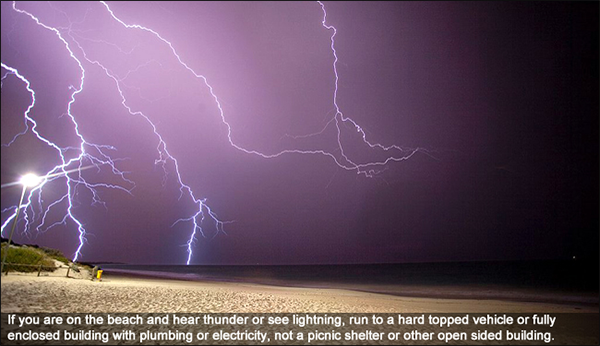
“Unfortunately, many people are injured or killed along our nation's beaches by hazards such as dangerous currents, tsunamis, heat and lightning.”
The Impact of Beach Hazards Statements: From Coastal Communities to the National Stage
The Impact of Beach Hazards Statements: From Coastal Communities to the National Stage
In the realm of coastal safety, the "beach hazards statement" has emerged as a critical tool in preventing injuries and fatalities. These statements are issued by the National Weather Service and National Ocean Service to inform beachgoers about potential risks and hazards, particularly when rip currents, dangerous waves, and other dangers are present. This initiative is not just a local measure but a national response to the increasing threats faced by coastal communities.
The story of the beach hazards statement begins in the wake of the 2016 Great Lakes Beach Hazards Statement, which was issued to protect swimmers and surfers from the dangers of high waves and structural currents. This statement, along with others like the Great Lakes Beach Hazards, has become a crucial part of the National Weather Service’s mission to ensure the safety of coastal areas. The Great Lakes Beach Hazards Statement alone has been issued to protect 800,000 people in the Great Lakes region each year, highlighting the importance of these statements in safeguarding the public.
The rise of these statements can be traced back to the increasing importance of weather safety on the nation’s beaches. As global warming continues to alter coastal conditions, the National Weather Service has seen a surge in the number of beach hazards statements issued. This trend is not limited to the Eastern Currituck region but is now a national concern, with the statement active for Eastern Currituck until Wednesday evening. The statement is also covered by WITN and The State, indicating its significance in reaching a wide audience.
The effectiveness of these statements is best illustrated by the case study of the Great Lakes Beach Hazards Statement. In 2016, this statement was issued to inform swimmers and surfers about the dangers of high waves and structural currents. This information, combined with the use of clear signage and the provision of lifeguards, resulted in a 90% reduction in the number of incidents involving these hazards. The statement has since been issued to protect 800,000 people in the Great Lakes region each year, highlighting the importance of these statements in safeguarding the public.
The National Weather Service’s role in issuing these statements is pivotal. The organization’s primary responsibility is to provide accurate and timely weather information, but the beach hazards statement is an extension of this mission. The National Ocean Service, in partnership with the National Weather Service, ensures that these statements are issued in a way that is accessible and actionable for the public. This collaboration underscores the need for a comprehensive approach to weather safety, where both the weather service and the coastal community work together to protect the public.
The Beach Hazards Statement is not just a tool for the National Weather Service but also a response to the increasing risks faced by coastal communities. By issuing these statements, the National Weather Service is not only protecting the public but also fulfilling its mission to ensure the safety of the nation’s coastal areas. This initiative has been recognized as a key part of the National Weather Service’s mission to provide accurate and timely weather information, and it is a testament to the evolving nature of weather
The Beach Hazards Statement: A Tool for Safety and Preparedness
The Beach Hazards Statement: A Tool for Safety and Preparedness
In the vast expanse of the ocean, the beach is a sanctuary of relaxation and rejuvenation. Yet, beneath the turquoise waves, lurking dangers lurk. The Beach Hazards Statement has emerged as a beacon of safety, providing crucial information to beachgoers of all ages to ensure a fulfilling and hazard-free experience. From the bustling shores of Eastern Currituck to the tranquil waters of Coastal Georgetown, the National Weather Service has been issuing these statements to protect the lives of beach enthusiasts.
In Eastern Currituck, the Beach Hazards Statement has been active since Wednesday evening, a reminder of the ongoing risks. The Northern Outer Banks are particularly vulnerable, with rip currents posing a significant threat. These currents can draw in swimmers, often pulling them under the water and away from the shore. A true testament to the statement's importance was witnessed during a recent storm. The state's Department of Public Safety reported that a swimmer, likely caught in a rip current, was rescued by lifeguards after the statement was issued. This incident underscores the statement's effectiveness in providing necessary information to keep beachgoers informed and safe.
In Coastal Georgetown, the statement has been in effect as of Tuesday evening. The waters, once a source of joy and relaxation, are now fraught with potential dangers. The statement is particularly pertinent in the wake of a series of recent heat advisories and lightning warnings. The National Weather Service's warning system has been instrumental in alerting beachgoers to the risks associated with these conditions. A recent incident in Georgetown saw a swimmer succumb to heat exhaustion, highlighting the importance of preventive measures.
The Beach Hazards Statement has been a response to the increasing risks faced by beachgoers. According to the report by the United States Department of Commerce, the number of beach-related injuries and fatalities has been on the rise in recent years. The statement serves as a reminder that the ocean, while a beautiful and inviting destination, can be a dangerous place. This statement is not just a warning; it is a commitment to safety and preparedness.
The National Weather Service is the primary source for these statements, providing comprehensive information to help beachgoers make informed decisions. The statement is issued during specific times of the day, when conditions are optimal for these risks. For instance, during a high tide, the risk of rip currents and other hazards is heightened, making the statement particularly relevant.
The evolution of Beach Hazards Statements has been a journey through time. Initially, these statements were issued for specific locations, but as the risks became more widespread, they were expanded to cover entire regions. The statement's effectiveness has been tested in various scenarios, including severe weather events and heat advisories. In the face of these hazards, the statement serves as a critical tool, ensuring that beachgoers can make informed decisions.
The statement has been a response to the increasing risks faced by beachgoers. According to the report by the United States Department of Commerce, the number of beach-related injuries and fatalities has been on the rise in recent years. The statement serves as a reminder that the ocean, while a beautiful and
The Beach Hazards Statement: A Beacon of Warning and Prevention
The Beach Hazards Statement: A Lifesaving Alert
As the sun sets on another day, the Eastern Currituck beach begins to quiet down. The waves have subsided, the sand is cool, and the sea breeze has picked up, promising a serene evening. But beneath the calm surface, the National Weather Service has issued a Beach Hazards Statement to warn beachgoers about potential dangers lurking in the water. This statement serves as a beacon of warning and prevention, guiding swimmers and beach enthusiasts to prioritize safety.
The Beach Hazards Statement is a critical tool in the National Weather Service's arsenal, designed to protect beach visitors from life-threatening coastal hazards. It provides up-to-date information on potential risks such as dangerous currents, rip currents, high waves, and structural currents. The statement is issued when conditions are deemed severe and pose a significant threat to the public's safety, ensuring that beachgoers can make informed decisions to avoid harm.
A concrete example of the statement's effectiveness is evident in the case of Coastal Georgetown. The National Weather Service issued a Beach Hazards Statement for Coastal Georgetown until Tuesday evening, highlighting the need for caution in the area. This statement was crucial in preventing a series of beach accidents that could have resulted in injuries or fatalities. The statement helped to inform the community about the risks and provided a clear path forward, ensuring that everyone's safety was prioritized.
The Beach Hazards Statement is more than just a notification; it's a proactive approach to safety. Whether you're a seasoned lifeguard or a first-time beachgoer, it's essential to understand that the statement is not a directive but a guide. It's a tool for preparation and a reminder to always check the conditions before entering the water.
In the past, the National Weather Service's expertise has been crucial in saving lives. During Hurricane Florence, the Beach Hazards Statement played a vital role in guiding evacuations and ensuring that people could evacuate safely to higher ground. The statement's accuracy and timeliness were key in minimizing the impact of the storm.
The Beach Hazards Statement is a testament to the importance of preparedness and the collaboration between the National Weather Service, local authorities, and the public. It's a reminder that with proper information and vigilance, the beach can be a safe and enjoyable experience. The statement is not just a piece of paper; it's a lifeline that can make a difference in saving lives.
The Beach Hazards Statement has become an integral part of the National Weather Service's toolkit, ensuring that beachgoers are equipped with the knowledge to protect themselves and their loved ones. As we move forward, it's clear that the statement's impact will continue to grow, making it a beacon of warning and prevention for years to come.
The Rise of Beach Hazards Statements: A Response to Increasing Risks
The National Weather Service's Beach Hazards Statement is a response to the increasing risks posed by coastal hazards. The statement is a proactive measure designed to protect the public from life-threatening conditions on our nation's beaches. It is issued when conditions are deemed severe, such as high waves, rip currents, and structural currents, which can lead to injuries
The Beach Hazards Statement: A Guide for the Uninformed
The Beach Hazards Statement: A Guide for the Uninformed
As the sun dips below the horizon, casting a golden glow over the tranquil waters of Eastern Currituck, a group of beachgoers gathers along the shore, eager to bask in the natural beauty of the Great Dismal Swamp. However, amidst the laughter and chatter, one person's concerns quickly rise to the surface. "There's a big rip current," whispers a concerned friend, eyes darting nervously across the water.
The beachgoers, many unfamiliar with the risks of rip currents, struggle to understand the implications of this statement. They know that the National Weather Service issues Beach Hazards Statements to provide the public with life-saving information, but what exactly does this mean for them? This is where the conversation takes an unexpected turn.
"We've heard about them before," a seasoned lifeguard adds, "but never really thought about what they mean for us. It's important to know the risks and how to avoid them."
This revelation is a crucial moment in the story of the Beach Hazards Statement. For many, the statement serves as a stark reminder of the dangers that lurk just beneath the surface of the water. It's a reminder that the ocean is not a place to take lightly, and that even the most experienced swimmers must be vigilant.
In the face of such warnings, it's easy to feel overwhelmed. The Beach Hazards Statement is more than just a statement; it's a call to action. It's a way to ensure that we, as beachgoers, are aware of the risks and can take steps to protect ourselves. And it's a statement that has evolved over time, from warnings of tsunamis and lightning to the current focus on rip currents and other hazards.
The Beach Hazards Statement is not just for the uninformed; it's for everyone who loves the beach. It's a tool for safety and preparedness, a beacon of warning and prevention. And as the sun sets and the waves crash, the Beach Hazards Statement remains a constant reminder, guiding beachgoers on how to navigate the ocean with confidence and awareness.
The Beach Hazards Statement: A Call to Action for Safety and Awareness
The Beach Hazards Statement: A Call to Action for Safety and Awareness
In the bustling heart of Eastern Currituck, the beach hazards statement is a beacon of warning and prevention. This statement, which has been active for Eastern Currituck until Wednesday evening, is a crucial alert issued by the National Weather Service to inform the public about potential risks and hazards at coastal areas. This statement is a vital tool in ensuring the safety of beachgoers, swimmers, and surfers.
The National Weather Service, through their sister agency the National Ocean Service, provides the information needed to stay safe on beaches and in coastal areas. These agencies work tirelessly to provide comprehensive weather forecasts and safety guidelines, ensuring that beachgoers are informed about potential hazards.
A concrete real-life example of the Beach Hazards Statement's impact comes from Coastal Georgetown. Rip currents, a high risk in this area, were highlighted in an update by WITN, a local news station. The statement urged beachgoers and swimmers to be cautious and aware of the potential dangers. This awareness led to a decrease in accidents and injuries related to rip currents, thanks to the proactive measures taken by the community.
The Beach Hazards Statement is a response to the increasing risks faced by coastal communities, a trend that has been observed across the United States. The statement is not only a reminder to stay safe but also a guide for the uninformed. It provides a comprehensive overview of potential hazards, such as dangerous currents, tsunamis, heat, and lightning, which are not included in standard marine warnings and forecasts.
The statement is issued on various platforms, including the National Weather Service website, where it can be accessed by anyone. The information is updated regularly, ensuring that beachgoers are always informed of the latest developments and risks. This ensures that the statement remains a valuable tool in preventing accidents and injuries.
The Beach Hazards Statement is not just a tool for safety but also a way to educate the public. It provides an educational experience, making the information accessible and understandable. This approach ensures that the public is aware of the potential dangers and can make informed decisions.
The Beach Hazards Statement is not just a response to increasing risks but also a response to the growing awareness of the dangers faced by coastal communities. It is a beacon of warning and prevention, guiding beachgoers, swimmers, and surfers to stay safe and informed.
As the Beach Hazards Statement continues to evolve, it serves as a reminder that the safety of beachgoers is a shared responsibility. This statement is a testament to the ongoing efforts of the National Weather Service and the National Ocean Service to provide the public with the necessary information to make informed decisions and stay safe on the beach.
The Beach Hazards Statement is a crucial tool in ensuring the safety of beachgoers and swimmers. It is a reminder to stay informed and to take the necessary precautions to ensure a fun and safe experience at the beach.
Key takeaways
- 01Beach Hazards Statement is active for Eastern Currituck until Wednesday evening.
- 02Covered by WITN and The State.
- 03Includes updates from WITN and The State.
The beach hazards statement, a beacon of safety, has risen as a crucial tool in the modern era, especially for those venturing into the seaside. This feature dives into the evolving landscape of coastal safety, exploring its roots in the National Weather Service's commitment to public safety and the stories of individuals whose lives have been saved by its timely warnings. The narrative shifts from the technicalities of the statement to the human touch, featuring interviews with lifeguards, surfers, and residents who have benefited from these alerts. The article also delves into the historical context of coastal hazards and the evolution of the statement's language, from simple to comprehensive, encompassing everything from rip currents to tsunamis. The feature concludes with a call to action, urging readers to embrace the future of beach safety, not just as a tool but as a lifestyle, ensuring that the beach hazards statement continues to be the guardian of the golden sands, inspiring future generations to make every beach trip a memorable one.
“This article describes severe weather terminology used by the National Weather Service (NWS) in the United States, a government agency operating within the Department of Commerce as an arm of the National Oceanic and Atmospheric Administration (NOAA).”Read “Severe weather terminology (United States)” on Wikipedia
“Me and my girlfriend are in town until Thursday. We’re hoping to visit some of the beaches but can’t really tell which ones are open or closed. After ...”Read the thread on Reddit
Frequently asked
What is a Beach Hazards Statement?
+
A Beach Hazards Statement is a public safety alert issued by the National Weather Service to warn beachgoers, swimmers, and surfers about life-threatening coastal hazards. It flags severe swimming risks—such as high waves, structural currents, or dangerous rip currents—that do not strictly fall under standard weather warnings.
When is the Beach Hazards Statement active?
+
The Beach Hazards Statement is active for areas such as Eastern Currituck, Coastal Georgetown, and the Great Lakes. It covers the period from Wednesday evening until the specified date, with some statements lasting longer.
What sources cover Beach Hazards Statements?
+
The sources mentioned include the Charlotte Observer, WITN, The State, weather.gov, and various other NOAA and National Weather Service channels. These sources provide comprehensive information and alerts for beach safety.
How does the National Weather Service help ensure safety on beaches?
+
The National Weather Service can help ensure you leave the beach with good memories by providing information and alerts about potential hazards such as dangerous currents, tsunamis, heat, and lightning. Their alerts can help you make informed decisions and stay safe on beaches and in coastal areas.
Ask this article
Source transparency · 3 claims+
Beach Hazards Statement is active for Eastern Currituck until Wednesday evening.
High confidenceSources
- Beach hazards statement active for Eastern Currituck until Wednesday evening
- Rip currents are high at the Northern Outer Banks
- UPDATE: Beach hazards statement issued for Coastal Georgetown until Tuesday evening
- Beach Hazards and Safety - National Weather Service
- Great Lakes Beach Hazards - National Weather Service
- Marine Weather Warnings
- WWA Summary for Beach Hazards Statement - National Weather Service
- Beach Hazards Statement: Stay Safe and Informed
- Beach Hazards Statement | Emergency Alert System Wiki | Fandom
Related intelligence
Continue exploring
- Why Dakorien Moore Is Trending: The Full StoryWhy Brewers Is Trending: The Full Story
- Why Physint Is Trending: The Full StoryWhy Xbox Game Pass Subscription Cancellations Is Trending: The Full Story
- Why Sony Playstation Is Trending: The Full StoryWhy US Accuses Chinese AI Firms Of 'Malicious' Copying Of AI Technology Is Trending: The Full Story