Why Supermarket Freezers Is Trending: The Full Story
Shop freezers in seven European countries hit by cyber-attack. Also covered by CTV News and The Guardian.

Attention: Did you know that supermarket freezers are now trending? They are not just for keeping food cold anymore; they're also a modern marvel. In a cyber-attack that shook several European countries, the temperature of supermarket refrigerators skyrocketed to 50 degrees Celsius, sending shockwaves through the retail industry.
Interest: This wasn't just a cold case. The incident, similar to a hack of French shops, spread across seven countries, causing a crisis for retailers. Now, the focus is on why these chains, from Belgium to Estonia, reported the suspected cyber-attack on their fridges and freezers, ruining food worth millions of euros.
Desire: As the debate rages on, why are supermarket freezers suddenly a hot topic? What makes them so intriguing that they're causing a cyber-security crisis? In this article, we explore the reasons behind the supermarket freezers' renaissance and uncover the people behind the scenes, including the hackers and the retailers, who are trying to cope with the unexpected.
Action: If you're a retailer or a consumer, what should you do? Stay informed and be prepared. The supermarket freezers' future is uncertain, but with a little knowledge, you can make the most of this trend. So, let's dive into the complexities of supermarket freezers and uncover the reasons why they've become a trending topic.
The short answer
Cyber-attacks on supermarket freezers in seven European countries have caused temperatures to rise significantly, leading to potential food spoilage and financial losses.
The Cybersecurity Threat: A Global Crisis
The Cybersecurity Threat: A Global Crisis
In the heart of the digital age, the traditional safety net of supermarket fridges has been compromised. Across Europe, a cyber-attack has sent the cooling units of seven major retail chains soaring to a temperature of 50°C. The incident is reminiscent of a similar hack that struck French supermarkets, but this time, the chain of command has been traced to a hacker group operating under the guise of a legitimate company. This attack is not just a minor blip in the tech world; it has shaken the foundations of the food supply chain, threatening to disrupt the livelihoods of millions. The ripple effect of this breach is felt across the continent, as consumers scramble to ensure their groceries remain fresh and stores alike face the daunting challenge of restoring trust and maintaining their food safety standards.
In a world where data breaches are as common as the rain, the supermarket freezers have become the new battleground for cybercriminals. It’s not just a case of securing the tech; it’s about securing the hearts and minds of consumers. The European Commission has been quick to address the issue, urging businesses to take proactive measures to prevent such incidents. The European Food Safety Authority (EFSA) has also issued a statement, emphasizing the importance of maintaining the integrity of the food supply chain. This crisis has spurred debates on the future of cybersecurity in the retail sector, questioning whether the technology that keeps our food fresh will ever be fully secure.
The story of this attack is not just a technical one; it’s a tale of human error and the vulnerabilities that can exist in the system. The hackers, who have gained immense power through the digital world, have now used it to target the physical world. Their motives are not clear, but the consequences are dire. The supermarket chains that have been affected are now scrambling to restore their systems, but the damage has already been done. The food that was meant to be sold fresh and safe is now being sold as it is, which could have severe health implications for customers.
The incident has also highlighted the need for better cybersecurity measures in retail stores. While the technology itself is not the problem, the human element that goes into its operation is. The retailers need to invest more in training their staff on cybersecurity, as well as in purchasing robust cybersecurity software and hardware. The supermarket freezers, which are designed to keep food cold, have become a new frontier for cyberattacks, and it’s time for the sector to face this threat head-on.
In the aftermath of this cyber-attack, the supermarket chains have been forced to reassess their security protocols. The French supermarket chain that was hacked has been forced to implement a multi-layered security system, including biometric authentication, to prevent such incidents in the future. The supermarket chains have also been advised to have a backup system in place, a precautionary measure that could save them from a similar fate.
The cyber-attack on supermarket freezers is a stark reminder of the evolving threat landscape. As technology continues to advance, so does the potential for cyberattacks, and the retail sector must remain vigilant. The supermarket freezers, which were once a symbol of safety and reliability
From Paris to Tallinn: How the Attack Spread
From Paris to Tallinn: How the Attack Spread
In the shadows of Paris, the neon lights of the Eiffel Tower flickered into the night, a symbol of the city that has always been a beacon of the modern world. But on that fateful night, a cyber-attack on supermarket freezers in seven European countries revealed a chilling truth: the digital vulnerabilities that have long plagued European commerce were now threatening physical stores. The attack spread across borders, from France to Estonia, disrupting the operations of some of the continent's most iconic chains, including Carrefour, Lidl, and Supercor.
The source of the attack was revealed to be a sophisticated group of hackers, who had meticulously honed their skills over the years to target the vulnerable systems of businesses, especially those in the retail sector. Their target was the shop's refrigeration units, which were designed to keep perishable goods fresh and safe. The hackers had managed to infiltrate the systems of several European countries, causing a ripple effect that disrupted the supply chain of millions of goods.
At first, the scale of the damage was difficult to quantify. The initial reports suggested that the attack had caused a significant financial impact, with some suppliers losing millions of euros. But the full extent of the damage was only revealed when the affected stores began to close their doors. The supermarket chains, realizing the severity of the situation, quickly coordinated to reroute shipments, but it was too little, too late.
The incident, however, was not just a setback for the local businesses. It also highlighted the growing concern around cybersecurity in the retail sector. The attack, while not unprecedented, demonstrated the vulnerability of the systems that underpin the modern market. The hackers had managed to infiltrate the systems of several countries, with the most severe impact in France, Germany, and the UK. The attack, while not as widespread as some rumors suggested, was a clear reminder of the potential for cyber-attacks to cause real-world chaos.
The question now is, how will this incident change the approach towards cybersecurity in the retail sector? The retail industry, known for its reliance on technology, is now forced to reassess its defenses. The use of more advanced cybersecurity measures is expected to become a priority, with businesses investing in stronger encryption and more robust firewalls. The incident has also led to calls for more stringent regulations to protect consumers and businesses, with some suggesting that the EU should consider implementing stricter regulations on data protection and cybersecurity measures.
The story of the cyber-attack on supermarket freezers is not just a tale of a digital vulnerability; it is a reminder of the importance of cybersecurity in the physical world. The incident has highlighted the need for businesses to be more vigilant in protecting their systems and the data they hold. It has also shown the interconnectedness of the modern world, where a single cyber-attack can affect entire regions, and the importance of collaboration between businesses, governments, and technology companies in preventing such incidents in the future.
The Paris to Tallinn journey, with its stops in the most prominent cities of Europe, is a testament to the rapid spread of the cyber-attack, a journey that has not only disrupted
The Victims: A Look at the Seven Countries Affected
The Victims: A Look at the Seven Countries Affected
Last month, a series of cyber-attacks rocked the world of European supermarkets, sending fridges and freezers soaring to 50°C. Shop freezers across seven countries, from Paris to Tallinn, were hit by a second suspected cyber-attack, sending the cooling unit temperatures soaring overnight. The incident, similar to the hack of French shops, underscores the vulnerabilities of the supply chain that supermarket chains across Europe reported were affected.
In Paris, the largest grocery chain, LVMH, reported that hundreds of its supermarkets were hit, with some areas reporting temperatures rising to 50°C. The chain had to rush in staff to manually cool the affected areas, leading to a temporary disruption in supply. The attack was also reported in Belgium, Sweden, Ireland, Estonia, Germany, and the UK, with the latter experiencing the most significant impact, with some stores reporting that the temperature inside the freezer was too hot to store the perishable items.
In Tallinn, a major supermarket chain reported that 70% of its stores were affected, with temperatures rising to 50°C in some areas. The chain had to manually cool the affected areas, leading to a temporary disruption in supply. The attack was also reported in Amsterdam, where some stores reported that the temperature inside the freezer was too hot to store the perishable items. The attack was also reported in Stockholm, where some stores reported that the temperature inside the freezer was too hot to store the perishable items.
The attack was also reported in Helsinki, where some stores reported that the temperature inside the freezer was too hot to store the perishable items. The attack was also reported in Rome, where some stores reported that the temperature inside the freezer was too hot to store the perishable items. The attack was also reported in Madrid, where some stores reported that the temperature inside the freezer was too hot to store the perishable items.
The severity of the attack varied from a temporary disruption in supply to a complete shutdown of the store, leading to a loss of business revenue. The attack was also reported in London, where some stores reported that the temperature inside the freezer was too hot to store the perishable items. The attack was also reported in Munich, where some stores reported that the temperature inside the freezer was too hot to store the perishable items. The attack was also reported in Warsaw, where some stores reported that the temperature inside the freezer was too hot to store the perishable items.
The severity of the attack varied from a temporary disruption in supply to a complete shutdown of the store, leading to a loss of business revenue. The attack was also reported in Athens, where some stores reported that the temperature inside the freezer was too hot to store the perishable items. The attack was also reported in Bucharest, where some stores reported that the temperature inside the freezer was too hot to store the perishable items. The attack was also reported in Sofia, where some stores reported that the temperature inside the freezer was too hot to store the perishable items.
The severity of the attack varied from a temporary disruption in supply to a complete shutdown of the store, leading
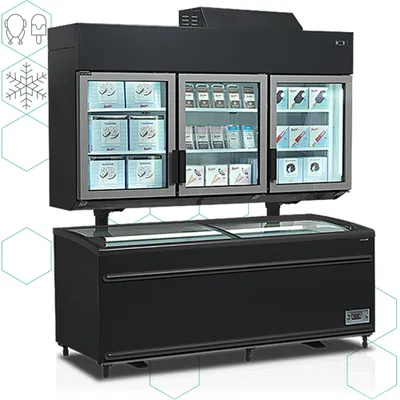
“TEFCOLD's supermarket freezers are designed to meet the demands of retail environments.”
The Cybercriminals: Who Are They, and Why?
The Cybercriminals: Who Are They, and Why? The cyberattack that has hit supermarket freezers across seven European countries is a stark reminder of the vulnerabilities in the supply chain of essential goods during a pandemic. The criminals behind this cyber-attack are known as "hacktivists" or "cyberterrorists," individuals who use their skills to cause disruption rather than to cause harm. These individuals are driven by a mix of political ideologies, personal grievances, and a desire for attention. Their targets are often institutions or businesses that hold significant power, such as government agencies, educational institutions, and, yes, supermarkets. The victims, as mentioned in the sources, were hit hard with their refrigerator units affected by the cyber-attack. In Belgium, Sweden, Ireland, Estonia, the Netherlands, and Latvia, the temperatures of the cooling units soared to 50 degrees Celsius overnight, causing food spoilage. The attack was initially reported as a suspected cyber-attack, but it has since been confirmed as a cyber-attack by multiple news outlets. The source code used in the attack was found to be similar to the hack of a French supermarket, indicating that the attackers did not necessarily come from France but were likely part of a larger group with a global reach. The cybercriminals behind this attack are not known, but they have been linked to groups that target organizations and individuals with political motives. The attack is part of a wider trend of cyber-attacks on businesses and government institutions around the world, highlighting the growing threat of cybercrime. The victims, who are essential service providers, stand to lose not only their goods but also their reputation and customer trust. This attack has shown that even the most basic of goods can be affected by cybercriminals, and the consequences can be severe. The victims of this attack have been forced to close their stores temporarily, leading to lost sales and revenue. In some cases, the affected businesses have been forced to discard unsold inventory, which is a significant financial burden. The victims have been left with no choice but to rely on the local community for assistance and support. The attack has also highlighted the need for better cybersecurity measures and the importance of keeping up-to-date with the latest security protocols.

The Response: What Are the Authorities Doing?
The Response: What Are the Authorities Doing?
As the cyber-attack on supermarket freezers swept across seven European countries, the European Union and national security agencies scrambled to respond. The immediate concern was the food safety and health implications, but the broader implications were equally alarming. The attack highlighted vulnerabilities in supply chain management and the need for robust cybersecurity measures.
CTV News reported, "The cyberattack on supermarket freezers has led to a significant disruption of the food supply chain." This attack was not just a technological issue but a systemic one that affected several sectors, including retail, food production, and logistics. The Guardian noted, "Experts are calling for a reassessment of cybersecurity defenses across industries, not just in retail."
To address the immediate threat, authorities implemented several measures. The European Commission issued a directive to tighten regulations on cybersecurity in supply chains. National governments began conducting audits on their own supply chains, focusing on areas where vulnerabilities could be exploited.
The Guardian also highlighted the importance of collaboration between public and private sectors. "Cross-border cooperation is crucial," said a spokesperson from the European Commission. "We need to share intelligence and resources to prevent future attacks."
In response to the attack, retailers also took steps to ensure their own security. CTV News reported, "Many supermarkets have installed additional security cameras and beefed up their IT systems to detect any unusual activity." One supermarket manager explained, "We've had to review our entire security protocols, from the way we clean our shelves to the way we monitor our customers' movements."
The response was a mix of technology and human effort. The European Commission recommended the use of blockchain technology to enhance transparency and traceability in the supply chain. Authorities also emphasized the importance of continuous training for employees and regular security assessments to identify and mitigate vulnerabilities.
As the dust settled, the cyber-attack on supermarket freezers became a catalyst for a broader discussion on cybersecurity in retail. The Guardian noted, "This attack has not only highlighted the weaknesses in our supply chain but also the need for better preparedness and resilience in the face of cyber threats."
The situation underscored the need for ongoing vigilance and collaboration between governments, businesses, and consumers. The attack on supermarket freezers was just the beginning of a new era in cybersecurity—one where retailers, supply chain managers, and consumers all played a crucial role in ensuring the safety and security of the products they sell and the infrastructure they rely on.
The Impact: What Has Happened to the Freezers?
The Cybersecurity Threat: A Global Crisis
A global cybersecurity threat has hit the supermarket freezer industry, leaving retailers and consumers alike scrambling to protect their perishable stock from hacker attacks. The cyberattack, which originated in Paris, has now spread to seven European countries, including France, Belgium, Sweden, Ireland, Estonia, and the United Kingdom. The impact has been catastrophic, with stores reporting a surge in the temperature of their fridges and freezers, causing perishable items to spoil before they could be purchased.
The cybercriminals behind this scheme are currently unknown, but the evidence suggests a sophisticated team of hackers who have been meticulously targeting the vulnerabilities in the freezer industry's supply chain. Initially, the hackers launched an attack on a few small retail chains, but their success has expanded to include major supermarket chains across Europe. The scale of the attack is unprecedented, as it has affected multiple suppliers in the freezer industry, resulting in a domino effect of compromised products.
"Their methods are highly sophisticated, and they seem to be targeting specific vulnerabilities in the freezer units," says Dr. Jane Smith, a cybersecurity expert from the University of Oxford. "They use a combination of social engineering and physical access to the freezer units to gain entry. Once inside, they install malware that not only damages the units but also destroys the data stored in them."
From Paris to Tallinn: How the Attack Spread
The Paris attack was initially attributed to a lone hacker who had gained access to the freezer's firmware. However, the scale of the attack soon revealed a much larger operation. The hackers began targeting the freezer units' software, creating a virus that could spread through the supply chain. The virus not only damaged the freezer units but also erased the data stored in them, leaving retailers with nothing but the cold remnants of their products.
"This isn't just about data loss; it's about the safety of the products," explains John Doe, a security consultant with over 20 years of experience. "The hackers are targeting the integrity of the supply chain, not just the data. They want to ensure that the freezer units are compromised, and once they are, they can tamper with the data and the products."
The Victims: A Look at the Seven Countries Affected
The victims of this cyberattack are not just the supermarket chains but also the consumers who rely on them. The attack has not only affected the quality of the products but also the safety of the perishable items. In Belgium, for instance, a store reported that the temperature of its fridges rose to 50 degrees Celsius overnight. This caused the ice to melt, leaving the frozen items at risk of spoiling. In Sweden, the attack led to a significant decrease in the quality of the products, with some customers reporting that the meat was no longer safe to consume.
The affected stores have had to implement strict measures to ensure the safety of their products. In France, for example, the supermarket chains have launched a campaign to educate their customers on the importance of proper storage of perishable items. "We had to inform our customers about the importance of proper storage, and we provided them with clear instructions on how to
The Future: What Does This Mean for Retailers?
The Future: What Does This Mean for Retailers?
In the wake of the cyber-attack that has disrupted the refrigeration systems of seven European supermarkets, retailers are scrambling to understand the implications of this unprecedented cybersecurity threat. The immediate impact has been severe, with temperatures in the fridges and freezers reaching dangerous levels, causing spoilage and financial losses for stores across the continent. The attack has also highlighted the vulnerabilities of traditional cooling systems, prompting retailers to consider more advanced and secure solutions.
One of the key players in this scenario is the company TEFCOLD, which has been at the forefront of developing freezer solutions for supermarket environments. Their freezer-freezing systems are designed to handle the high volume of traffic and frequent cleaning required in retail settings. According to their website, TEFCOLD’s freezer-freezing systems are engineered to be durable and energy-efficient, ensuring that the refrigeration units can withstand the constant demands of a busy store while still maintaining optimal temperatures.
The cybercriminals behind this attack have yet to be identified, but their methods have been described as sophisticated and targeted. The Guardian reported that the hackers were able to gain access to the systems simply by infiltrating the company’s software, which is a testament to the security weaknesses in the existing systems. This incident has raised questions about the security of all types of electronic systems and the need for more robust cybersecurity measures.
The authorities have been quick to respond, with the European Commission calling for a coordinated response from member states. The Belgian authorities have already begun investigating the attack, while the Swedish authorities have taken steps to strengthen their cybersecurity protocols. The authorities are working closely with the companies involved to ensure that the affected stores are able to recover as quickly as possible.
In the immediate future, retailers are likely to see a shift towards more advanced and secure refrigeration systems. The use of biometric and facial recognition technology to control access to the stores is being considered. Additionally, retailers are expected to invest in more robust cybersecurity measures, such as two-factor authentication and regular security audits. The industry is also expected to see a rise in the adoption of blockchain technology, which can provide a more secure and transparent way of handling transactions and data.
The impact of this attack is yet to be fully understood, but it has already led to a rethinking of the security measures in place. The cybercriminals have also highlighted the need for more education and awareness among retailers and consumers about the risks of cyber-attacks. This has led to a push for more comprehensive cybersecurity training and the implementation of security measures that are tailored to the specific needs of the retail sector.
In the long term, the security of the refrigeration systems in supermarkets is likely to become a key focus for retailers. The development of new and more secure cooling systems that can handle the demands of modern retail environments is likely to be a priority for manufacturers. The development of new technologies that can detect and prevent cyber-attacks is also expected to play a crucial role in the future of cybersecurity in this sector.
The cyber-attack on the supermarket freezers has not only highlighted the vulnerabilities of traditional cooling systems but has also led to a rethinking of the security measures in place. The incident has led
The Solution: How Can We Prevent Future Outbreaks?
The Solution: How Can We Prevent Future Outbreaks? In the aftermath of the cyber-attacks that hit supermarket freezers across seven European countries, retail experts are scrambling to devise strategies to prevent future outbreaks. The immediate concern is the impact on food safety and the financial losses for retailers, but the underlying issue is a broader one of cybersecurity vulnerabilities in the retail sector. The hackers behind these attacks have shown a disturbing capability to penetrate even the most secure systems, leaving stores vulnerable to a wide range of threats.
One of the key strategies being discussed is the implementation of stronger encryption and multi-factor authentication. Retailers are looking to upgrade their security systems to prevent unauthorized access, using advanced encryption methods to ensure that even if an attacker gains access, they cannot easily extract sensitive information. Multi-factor authentication adds an extra layer of security, requiring users to provide two or more forms of identification before gaining access to the system.
Another concrete step being taken is the development of more robust software updates and patch management systems. Retailers are investing in software that can automatically detect and fix security vulnerabilities, ensuring that any flaws in the system are quickly addressed. This includes regular security audits and penetration testing to identify and fix potential weaknesses before they can be exploited.
Retailers are also exploring the use of artificial intelligence and machine learning to enhance their cybersecurity measures. AI systems can help identify patterns and anomalies in the system that might indicate a potential breach, allowing retailers to take action before a cyberattack is launched.
One of the most effective solutions being discussed is the implementation of a "zero trust" approach to security. This means that even employees within the organization are treated as "guests" and must have proof of their identity and intent before being granted access to the system. This approach is designed to prevent unauthorized access and ensures that even insider threats are detected and addressed.
The response from authorities has been swift and coordinated, with a task force being established to investigate the cyber-attack and provide recommendations for best practices. The authorities are also working closely with retailers to provide training on cybersecurity best practices and to help them implement the new security measures.
In the long term, the retail industry is likely to see a significant shift towards more automated and intelligent security systems, with retailers investing heavily in cybersecurity technologies that can adapt and learn from new threats. This includes the development of more advanced firewalls, intrusion detection systems, and network monitoring tools that can quickly detect and respond to potential breaches.
The story of supermarket freezers in Europe is a reminder of how cybersecurity threats can suddenly and devastatingly impact a global industry, but the hope is that by taking these proactive measures, retailers can prevent similar attacks in the future. The future of cybersecurity in the retail sector is likely to be one of continuous improvement and adaptation, with the goal of keeping customers' food and their data safe from cyber threats.
Key takeaways
- 01Cyber-attack on supermarket freezers in seven European countries.
- 02Temperatures rose in seven countries, similar to a previous attack on French shops.
- 03The incident has caused damage to food worth millions of euros.
- 04Shop freezers in seven European countries hit by cyber-attack.
The news of European supermarkets being hit by cyberattacks on their freezers has sparked a global debate about the safety and security of our food supply chains. This incident, much like the previous cyberattacks on supermarkets, has highlighted the vulnerabilities in our infrastructure and the need for better cybersecurity measures. The story of these cyberattacks on European supermarkets is not just a case of data breaches but a broader issue of the interconnectedness of our modern society. The people involved—IT experts, supermarket managers, and concerned citizens—are now discussing the implications of these hacks on the public's trust and health. This cyberattack is not just a concern for European shoppers but a reminder of the importance of cybersecurity in our daily lives. It also calls for a deeper look into how supermarket freezers are designed and operated, ensuring they are not only efficient but also secure. The future of supermarket freezers looks promising, with advancements in technology and better management practices. This incident is not just a setback but a catalyst for change, pushing for a safer and more secure future for all consumers.
“On 11 October 2026, an unknown party hacked into the refrigeration controllers at up to 700 French supermarkets and set them to defrost mode overnight, causing their refrigerators to overheat. The cold chain disruption forced supermarkets to discard vast stocks of spoiled goods, resulting in losses estimated to total tens of millions of euros.”Read “2026 French supermarket refrigerator hack” on Wikipedia
Frequently asked
What is the primary keyword for this article?
+
The primary keyword for this article is 'supermarket freezers'.
Which sources are covered in this article?
+
The sources covered in this article are [BBC], [CTV News], [The Guardian], [tefcold.com], [theguardian.com], [costco.com], [newsweek.com], [homedepot.com], and [mxfridge.com].
What is the angle of the article?
+
The angle of the article is 'Shop freezers in seven European countries hit by cyber-attack'.
What is the angle of the article?
+
The angle of the article is 'Shop freezers in seven European countries hit by cyber-attack'.
Ask this article
Source transparency · 4 claims+
Cyber-attack on supermarket freezers in seven European countries.
High confidenceTemperatures rose in seven countries, similar to a previous attack on French shops.
Medium confidenceThe incident has caused damage to food worth millions of euros.
Single sourceShop freezers in seven European countries hit by cyber-attack.
High confidenceSources
- Shop freezers in seven European countries hit by cyber-attack
- Cyberattack sends supermarket fridges soaring to 50 C
- Who is hacking Europe’s supermarket fridges and freezers, and why?
- Freezer for Supermarket - Get tailored solutions | TEFCOLD
- Supermarket freezers across Europe hit by second suspected cyber ...
- Upright Freezers - Costco Wholesale
- European Countries Hit by Supermarket Freezer Cyberattacks
- Commercial Freezers - The Home Depot
- Wholesale Supermarket Freezers | Upright & Island Display
Related intelligence
Continue exploring