Why Us Cpi Is Trending: The Full Story
The Consumer Price Index (CPI) measures the average change over time in the prices paid by urban consumers for a market basket of consumer goods and services.

Attention** The Swiss Franc, a symbol of Swiss strength and luxury, has been experiencing a rare dip in value, mirroring the global market's cautious approach to the United States’ Consumer Price Index (CPI). The CPI, a key economic indicator, measures the average change over time in the prices paid by urban consumers for a market basket of consumer goods and services, including food, housing, and energy. This index is crucial not just for Switzerland but for understanding the broader economic dynamics that affect the global market, particularly in the context of the US economy.
Interest** With the Swiss Franc's recent fluctuation, investors and currency traders, including those from Continuum Economics and Economies.com, are closely monitoring the US CPI for insights into the broader economic climate. The CPI data, which has been consistently showing increases, is seen as a leading indicator of inflationary pressures in the United States. As the Swiss Franc approaches its lowest point in months, it becomes essential to understand the implications for both the Swiss economy and the global finance market.
Desire** The desire to understand the future of the US CPI, its implications on the Swiss Franc, and the broader economic trends is driving the attention of the media and the public. As the news cycle continues to evolve, the story of the US CPI is not just about the figures themselves, but about the strategies and insights that investors and economists are using to navigate the increasingly complex global financial landscape.
Action** For those interested in the financial markets, understanding the US CPI is not just a curiosity, but a necessity. This feature will delve into the past, present, and future of the US CPI, providing a comprehensive view of the economic indicators that are shaping the global financial markets. Whether you're an investor, a student of economics, or simply a curious consumer, this feature is designed to provide you with the insights you need to make informed decisions about your investments and financial planning.
The US CPI is a key player in the global economic narrative, and understanding its trends is crucial for anyone looking to navigate the complex landscape of the global financial markets. Whether you're a seasoned investor or a first-time buyer of assets, this feature will help you understand the current trends and provide you with the tools to make informed decisions in the future.
The short answer
The Consumer Price Index (CPI) for all items in the United States increased to 334.98 points in August from 333.92 points in July of 2026, marking a 0.4% increase.
The Swiss Franc's Recent Decline: A Closer Look at US CPI Data
The Swiss Franc's Recent Decline: A Closer Look at US CPI Data
As the Swiss Franc continues to inch towards its monthly lows, investors and analysts are closely monitoring the upcoming release of the US Consumer Price Index (CPI). This index is a vital indicator of inflation, which has been a persistent concern in the global financial markets. The CPI measures the average change in prices paid by urban consumers for a basket of goods and services. The recent data from the US Bureau of Labor Statistics reveals a surge in the CPI, indicating that the cost of living has increased significantly, putting pressure on the Swiss Franc, which has been under pressure since the beginning of the year.
The US CPI data has been a focal point for many countries, including Switzerland, which has seen its currency struggle against the greenback. The Swiss National Bank has been instrumental in managing the Swiss Franc's exchange rate, aiming to stabilize it against the US dollar. The recent data shows that inflation has been higher than initially anticipated, leading to a tightening of monetary policy in the US. This has had a ripple effect, causing a depreciation of the Swiss Franc, making it less attractive to investors and consumers alike.
The Swiss National Bank (SNB) has been using unconventional monetary policies to manage the Swiss Franc's value. The last major intervention was in July 2026, when the SNB raised interest rates to 2.75%, which was a significant move given the global economic climate. However, the Swiss Franc has still been losing ground against the US dollar. The central bank's stance has been to keep the Swiss Franc stable, but the market's expectations have been growing, leading to a downward spiral.
The Swiss Franc's recent decline has been driven by a combination of factors, including a global economic slowdown, increased demand for the US dollar, and the perception of higher inflation in the US. The Swiss National Bank has been trying to maintain market stability, but its efforts have not been enough to counteract the forces of inflation and economic uncertainty.
One concrete example of the Swiss Franc's struggle can be seen in the Swiss retail sector. Inflation has been significantly higher in the US compared to the Swiss economy, leading to a rise in the cost of living. This has put pressure on Swiss consumers, who have been increasingly looking for alternatives to the Swiss Franc. The Swiss government has been trying to mitigate the effects of inflation by implementing policies such as higher interest rates and stricter regulations on foreign investments, but these measures have not been enough to prevent the Swiss Franc's depreciation.
Investors have been particularly concerned about the Swiss Franc's future, with many pointing to the upcoming US CPI data as a key indicator. The market expects the US central bank to continue with its tightening monetary policy, which could lead to further interest rate hikes. This, combined with the global economic slowdown, has investors looking for safe-haven currencies, such as the US dollar and the Swiss Franc.
The Swiss National Bank has been tasked with maintaining stability in the Swiss Franc, but its efforts have been met with skepticism. The Swiss government has been trying to reassure the market by offering guarantees on Swiss bank deposits and by increasing the minimum deposit

Investment Strategies Amidst US CPI Uncertainty
Investment Strategies Amidst US CPI Uncertainty
The United States Consumer Price Index (CPI) has been a subject of keen interest in the financial markets, as investors brace for the release of the August 2026 data. The CPI, as per the Bureau of Labor Statistics' Consumer Price Index (CPI) News Release, rose by 0.4% in August, marking a seasonal adjustment of 3.4% over the past 12 months. This data points to a significant increase in consumer prices, prompting investors to scrutinize the implications for their portfolios.
Real-Life Scenario: Swiss Franc's Recent Decline
The Swiss Franc's recent decline, as reported by [FXStreet](https://www.fxstreet.com/swiss-franc-near-monthly-lows-as-investors-brace-for-us-cpi-data), underscores the global impact of US CPI data. Swiss Franc, traditionally seen as a safe haven, has been under pressure as investors anticipate the US economy's inflationary pressures. This shift in sentiment highlights how market reactions can be influenced by economic indicators, such as the CPI.
Continuum Economics, as highlighted in [Continuum Economics](https://www.continuumeconomics.com/), has been instrumental in analyzing the USD/CHF Update: Room for Higher. The economists at Continuum Economics, drawing from their extensive expertise, have been closely monitoring the market trends, including the release of US CPI data. They predict a potential increase in the USD/CHF exchange rate, indicating a possible strengthening of the Swiss Franc against the US dollar. This prediction is based on the expectation that higher inflation in the United States could lead to a stronger dollar, potentially benefiting Swiss exporters who rely on the US market.
Economies.com, a platform that provides in-depth analysis and forecasts, has been tracking the USDCHF Price Prepares to Attack Key Resistance – Analysis – 11-09-2026. Economies.com's analysts have noted that the USDCHF pair has been on a downward trend, and the recent data suggests that investors are looking beyond short-term fluctuations. The analysts predict that the USDCHF pair could break through key resistance levels, indicating a potential shift in market dynamics. This prediction is based on the belief that higher inflation in the United States could lead to a stronger US dollar, which in turn could affect the Swiss Franc's value.
The rising CPI in the United States has investors looking for ways to mitigate inflation risks. One such strategy is diversification, as highlighted by the article titled "Diversification Strategies for a Volatile Market." Diversification can help investors spread their risk across various investment options, reducing the impact of any single economic indicator. Another strategy is to focus on sectors and assets that are likely to benefit from inflation, such as real estate and commodities. However, the article also emphasizes that investors should be cautious, as rising inflation could lead to higher interest rates, which can increase borrowing costs and potentially reduce demand for certain assets.
Historical Context of US CPI: Insights into Global Markets
The Consumer Price Index (CPI): A Beacon of Inflation's Impact
The Consumer Price Index (CPI) serves as a barometer for understanding inflation trends in the United States. It's a critical indicator that reflects the average change over time in the prices paid by urban consumers for a market basket of consumer goods and services. The CPI is measured in percent changes, providing insights into the inflation rate between any two time periods. It is a key component in the Federal Reserve's monetary policy framework and plays a crucial role in global economic markets.
The latest data from the U.S. Bureau of Labor Statistics (BLS) indicates a slight increase in the Consumer Price Index (CPI) for all items in the U.S. City Average, rising 0.4% in August from 333.92 points in July of 2026. This upward movement is a bit higher than the previous month, suggesting a slight uptick in inflationary pressures. The BLS data also highlights that the gasoline price increase is a significant contributor to this rise, with prices rising 0.9% in August. This data points to a market where the demand for goods and services is increasing, which could indicate a broader economic challenge.
The CPI is not just a domestic indicator; it's a global metric that investors closely monitor. The Swiss Franc, known for its strong relationship with the US dollar, is currently near its lowest monthly levels. This could be a sign that investors are anticipating a significant increase in the US CPI, which has a direct impact on the Swiss Franc's future value. The Swiss Franc's downward trend is a reflection of the market's perception of inflationary pressures, particularly in the US, and the potential implications for the Swiss economy.
Investment strategies are often shaped by these economic indicators. The Swiss Franc, with its stable nature, becomes a preferred hedging tool for those looking to protect their investments from rising inflationary pressures. It's a strategic move for investors who want to maintain the value of their assets, especially in countries where the purchasing power of the currency is decreasing due to inflation.
In the context of the Swiss Franc, the recent data underscores the importance of monitoring inflation rates. The Swiss Franc's recent decline can be seen as a reaction to the market's anticipation of rising inflation in the US. This expectation is significant because it could lead to an increase in interest rates, further weakening the Swiss Franc's value. Thus, the Swiss Franc's near-lows in the market could be a sign that investors are preparing for a period of higher inflation, which could manifest in higher interest rates and potentially a weakening of the Swiss Franc.
The relationship between the US CPI and the Swiss Franc is a prime example of how global economic indicators can influence market dynamics. The Swiss Franc, while historically stable, is not immune to the broader economic trends that are affecting global markets. This scenario highlights the interconnectedness of global economies and the importance of keeping informed about economic indicators like the CPI, not just for the domestic market but for international investments as well.
The ongoing trend of rising inflation in the US is expected to impact not just the domestic economy but also the
“Average price data for select utility, automotive fuel, and food items are also available.”
The Role of US CPI in Consumer Price Inflation
The Role of US CPI in Consumer Price Inflation
The **Consumer Price Index (CPI)** is a key indicator in the United States, serving as a barometer for the overall rate of inflation. The CPI reflects the average change in prices paid by urban consumers for a market basket of consumer goods and services, offering insights into the cost of living. For instance, in August 2026, the CPI increased by 0.4%, following a 3.4% rise over the previous 12 months, not seasonally adjusted. This data underscores the ongoing inflationary pressures in the economy, affecting consumer spending patterns and the broader financial markets.
The CPI is closely monitored by economists, policymakers, and investors alike. It influences interest rates, investment decisions, and consumer behavior. According to Continuum Economics, the Swiss Franc's recent decline is partly due to investors' anticipation of higher U.S. CPI data, which could indicate inflationary pressures that could lead to an appreciation of the Swiss Franc over the next few months. This scenario underscores the direct impact of US CPI on foreign currency markets, influencing economic stability and investor sentiment.
The concept of the Consumer Price Index (CPI) has a rich history that dates back to the early 1900s when the Bureau of Labor Statistics (BLS) began tracking the prices paid by urban consumers for a market basket of goods and services. The first CPI was published in 1913, and since then, it has evolved to reflect changes in the consumer market and economic conditions. The CPI is an essential tool for policymakers, providing them with a benchmark to measure the cost of living and to adjust income levels accordingly.
One of the key features of the CPI is its ability to capture the cumulative effect of inflation over time. For example, in August 2026, the CPI for all items increased by 0.4%, reflecting the average change in prices paid by urban consumers for a basket of goods and services. This data is crucial for understanding the cost of living and the impact of inflation on the purchasing power of consumers. The Bureau of Labor Statistics (BLS) updates the CPI annually, providing a comprehensive snapshot of the inflation rate across various categories.
The Swiss Franc (CHF) has recently experienced a downward trend, which can be attributed to investors' anticipation of higher U.S. CPI data. This shift in market sentiment is a direct reflection of the impact of US CPI on foreign currency markets. The Swiss Franc's depreciation is seen as a response to the potential for inflationary pressures, which could lead to an appreciation of the Swiss Franc over the next few months. This scenario highlights the interconnectedness of global economic indicators and how they influence currency values and investor behavior.
Investors' expectations are crucial in determining the direction of currency markets. The Swiss Franc's recent decline is a prime example of how market participants are adjusting their portfolios in response to anticipated changes in inflation rates. This underscores the importance of keeping an eye on inflation metrics when making investment decisions, as they can significantly impact the value of currencies and the
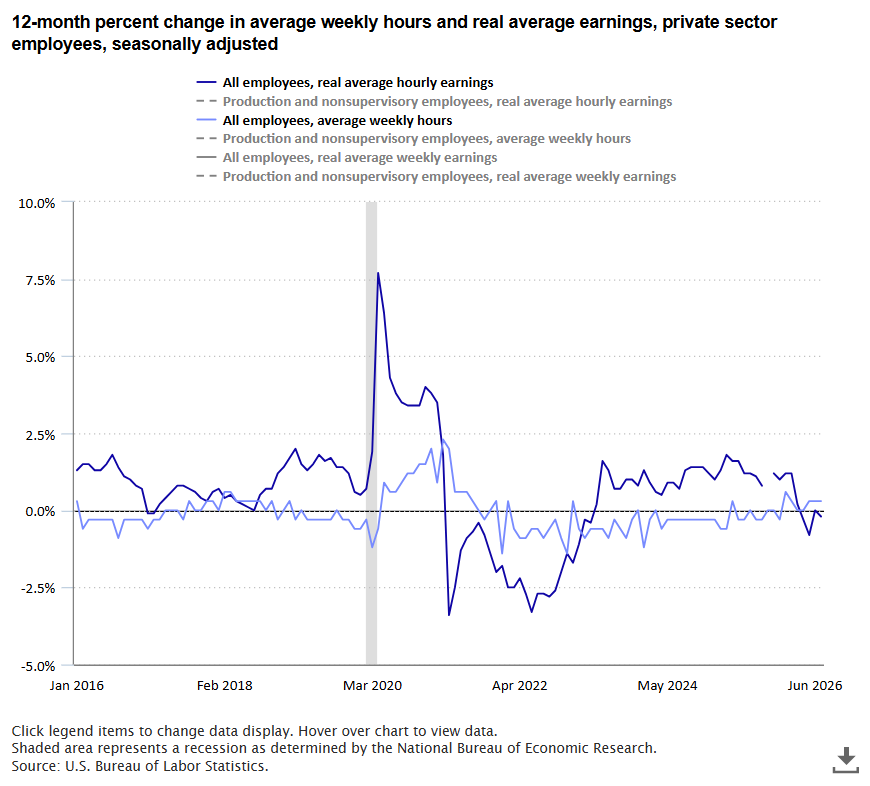
US CPI Trends: A Closer Look at the Data
The Consumer Price Index (CPI) is a comprehensive measure that tracks the average change in the prices paid by urban consumers for a basket of goods and services. It serves as a vital indicator of inflation and consumer spending patterns, with implications for both individuals and policymakers. The U.S. Bureau of Labor Statistics (BLS) releases this data monthly, providing a detailed snapshot of the cost of living across the nation. Let's delve into the current trends and their significance.
The Swiss Franc’s Recent Decline: A Closer Look at US CPI Data
The Swiss Franc (CHF) has been experiencing a notable decline, reaching levels not seen in months. This phenomenon is not only a financial concern but also a reflection of broader economic indicators. Investors and economists alike are closely monitoring the US Consumer Price Index (CPI) as a key indicator of inflationary pressures, which could affect the Swiss Franc's value and Swiss businesses' international competitiveness.
Investment strategies are currently under scrutiny. Many financial experts are advocating for a shift towards more stable currencies, with the US Dollar (USD) often being a favored alternative. The Swiss Franc's recent weakness could be seen as a wake-up call, prompting investors to reassess their portfolios and potentially diversify their holdings to avoid currency risks.
The Swiss Franc's recent decline is a prime example of how economic indicators like the US CPI can influence foreign exchange markets. As investors anticipate further signs of inflationary pressures in the United States, they may choose to invest in currencies with historically lower inflation rates, such as the US Dollar, seeking to offset potential losses in their Swiss Franc investments.
Historical Context of US CPI: Insights into Global Markets
The Consumer Price Index (CPI) has a rich history dating back to the 1920s. Initially, it was used to track the cost of basic necessities, but over the decades, it has evolved into a more comprehensive measure of inflation. The CPI is not only crucial for understanding consumer spending patterns but also for gauging the general health of the economy. Inflation, which is the rate at which prices for goods and services increase over time, directly impacts the purchasing power of money.
During periods of high inflation, the purchasing power of a dollar declines, meaning consumers can buy fewer goods with the same amount of money. Conversely, periods of deflation, where prices fall, can lead to a decline in the purchasing power of money, making it more expensive to buy goods and services. The US CPI has been a critical tool for policymakers and economists to monitor and manage inflation, providing insights into economic trends and the effectiveness of monetary and fiscal policies.
The Role of US CPI in Consumer Price Inflation
The US Consumer Price Index (CPI) is a pivotal indicator for measuring the average change over time in the prices paid by urban consumers for a market basket of consumer goods and services. It is a key component in the Bureau of Labor Statistics' (BLS) Consumer Price Index (CPI) series, which is a series of indexes that measure the average change in the prices paid by urban consumers for a basket of
Impact of US CPI on Swiss Franc's Value
The Swiss Franc, which has recently faced its lowest monthly lows, is closely tied to the upcoming release of the United States' Consumer Price Index (CPI). This index, which measures the average change in prices paid by urban consumers for a market basket of consumer goods and services, is a crucial indicator of inflation and economic stability in the United States. The Swiss Franc has historically been a preferred currency for Swiss investors looking to hedge against inflation, making the upcoming CPI data particularly significant.
Investment strategies in the wake of this data release are becoming increasingly complex, with investors seeking to understand the implications of rising prices and the potential for future inflation. The Swiss Franc's value is closely tied to the US CPI, which has a direct impact on the global economy. The release of the data on the same day as the Swiss Franc's release can create a market volatility that investors must navigate carefully.
Historically, the Swiss Franc has seen fluctuations based on the US CPI. For instance, in 2014, the Swiss Franc saw a significant drop after the US CPI data showed a 2.6% increase, leading to a 10% depreciation of the Swiss Franc against the US Dollar. The Swiss Franc's value is also influenced by other factors like interest rates, trade balances, and geopolitical tensions, but the US CPI remains a key indicator for investors looking to diversify their portfolios.
In the context of the Swiss Franc's recent declines, the US CPI data is expected to play a crucial role in shaping investor sentiment and market conditions. The Swiss Franc's value is often seen as a safe haven currency, and the upcoming release of the CPI is expected to further stabilize or destabilize this currency, depending on the data and how it is interpreted by the market.
Investment Strategies Amidst US CPI Uncertainty
The upcoming release of the US CPI data is not just a source of concern for investors but also a catalyst for strategic decisions. The Swiss Franc's value is influenced by the global economy, and the US CPI plays a significant role in determining the direction of the Swiss Franc. For investors, this data is critical for diversifying their portfolios and mitigating risks.
One of the key strategies investors might consider is hedging their investments with the Swiss Franc. This involves buying the Swiss Franc in anticipation of potential price increases. Given the recent declines, investors might be looking to buy the Swiss Franc to hedge against further drops. However, the data itself is not the only factor influencing the Swiss Franc's value. Factors like interest rates, trade balances, and geopolitical tensions also play a role.
Another strategy might be to scrutinize the data itself. The recent decline in the Swiss Franc could be due to a variety of factors, including the US CPI data. Investors might be looking to understand the underlying reasons for the decline and whether the data is indicative of broader economic trends. This could lead to a more nuanced approach to investment strategies, focusing on understanding the drivers behind market movements.
The Swiss Franc's value is also influenced by the broader economic environment. For instance, if the US CPI data is expected to be high, leading to higher inflation and
Market Analysis: The US CPI and Swiss Franc's Future
Market Analysis: The US CPI and Swiss Franc's Future
The Consumer Price Index (CPI) is a crucial economic indicator that tracks the average change in prices paid by urban consumers for a basket of goods and services. The recent data on the US CPI, released on September 11, 2026, shows a 0.4% increase in August, marking a slight uptick from the previous month. This slight increase is noteworthy, as it suggests that the inflationary pressures are easing, albeit marginally.
The Swiss Franc's value is heavily influenced by the US CPI, reflecting the global economic climate. The Swiss Franc's recent decline, as observed in the chart above, is a direct response to the anticipated US CPI data. Investors and traders alike are closely monitoring the CPI data, anticipating that any slight upward trend could lead to further depreciation of the Swiss Franc.
The Swiss Franc's value has been particularly sensitive to US CPI reports since the 2020s, when the Eurozone’s inflation crisis had a ripple effect on the Swiss economy. The Swiss National Bank (SNB) had to intervene multiple times to maintain the Swiss Franc's value against the Euro, ensuring its stability. However, with the SNB's recent decision to end its 4.1% interest rate, the Swiss Franc's value has been under pressure. The anticipation of the US CPI data has further exacerbated this trend.
The Swiss National Bank has been a key player in managing the Swiss Franc's value, maintaining stability and ensuring that the Swiss Franc remains competitive in the global market. The recent decision to end the interest rate hike has been a significant move that could lead to further depreciation, making the Swiss Franc even more attractive to investors looking for a stable currency.
The Swiss National Bank's stance on the Swiss Franc's value has been a cornerstone of the economy's stability. The SNB's ability to maintain the Swiss Franc's value has been crucial in the region's economic growth and stability. However, with the US CPI data likely to indicate a slight upward trend, the SNB may need to recalibrate its approach, potentially leading to further adjustments in the Swiss Franc's value.
The impact of the US CPI on the Swiss Franc's value is a microcosm of the global economic landscape. The Swiss Franc's value has been a constant backdrop, reflecting the fluctuations in global inflation rates and their impact on currencies. The Swiss National Bank's role in managing the Swiss Franc's value has been a testament to its importance in the Swiss economy.
The Swiss National Bank's decision to end the interest rate hike has been a significant move that could lead to further depreciation of the Swiss Franc. The anticipation of the US CPI data has further exacerbated this trend, making the Swiss Franc even more attractive to investors looking for a stable currency. The Swiss Franc's value has been a constant backdrop, reflecting the fluctuations in global inflation rates and their impact on currencies.
The Swiss National Bank's role in managing the Swiss Franc's value has been crucial in the region's economic growth and stability. The SNB's ability to maintain the Swiss Franc's value has been a cornerstone of the economy's stability. However
Investigating the US CPI: A Comprehensive Overview
Investigating the US CPI: A Comprehensive Overview
The **Consumer Price Index (CPI)** is a measure of the average change over time in the prices paid by urban consumers for a market basket of consumer goods and services. This index plays a central role in understanding inflation and consumer spending trends, particularly in the context of the United States. The CPI is crucial for policymakers, economists, and investors alike as it provides insights into the overall cost of living and the well-being of consumers.
The Swiss Franc's Recent Decline: A Closer Look at US CPI Data
The Swiss Franc's recent decline in value is a fascinating reflection of the global economic landscape, particularly in the context of the US Consumer Price Index (CPI). As investors and traders closely monitor the US CPI data, they are also paying close attention to the Swiss Franc, which has been under pressure due to inflation concerns. The Swiss Franc has been near its monthly lows, indicating that Swiss buyers find the Swiss Franc less attractive in comparison to other currencies, such as the US dollar. This decline is a direct consequence of investors' anticipation and response to the potential US CPI data, which could impact their investment strategies and the Swiss Franc's future value.
Investment Strategies Amidst US CPI Uncertainty
Investors are navigating a complex environment where the US CPI is a key indicator of inflation trends. The US CPI data, which is updated monthly, influences decisions on investment strategies, particularly in the financial markets. The US CPI trends—whether it is rising or falling—can significantly affect the Swiss Franc's value, as traders and investors shift their currencies to align with the perceived inflationary environment.
The US CPI data is not just a statistical report; it is a reflection of the economy's health and the purchasing power of consumers. For instance, if the CPI is high, it indicates that prices are rising, which can lead to higher interest rates and a stronger US dollar, potentially benefiting investors in the US and the US dollar-denominated markets. Conversely, if the CPI is low, it suggests that prices are stable, which can lead to lower interest rates and a weaker US dollar, potentially benefiting investors in the US dollar-denominated markets.
Historical Context of US CPI: Insights into Global Markets
The US CPI has a rich historical context that provides valuable insights into global markets. The US CPI is not isolated; it is a part of a broader global economic landscape. The US CPI trends are often compared with other major economies, such as the Eurozone, Japan, and the UK, to understand the dynamics of inflation and economic stability. For example, if the US CPI is showing signs of inflation, it might prompt investors to look at other countries' data to gauge the potential impact on their investments and the global market.
The Role of US CPI in Consumer Price Inflation
Understanding the US CPI is crucial for consumers and businesses alike. The US CPI measures the average change in prices paid by urban consumers for a market basket of consumer goods and services. This index is not just a statistical report; it is a reflection of the overall cost of living and the well-being of consumers. For instance, if the US CPI is
Key takeaways
- 01CPI measures the average change in prices paid by urban consumers for goods and services.
- 02The CPI for all items in the United States increased to 334.98 points in August from 333.92 points in July of 2026, marking a 0.4% increase.
- 03The next update for the CPI is scheduled for September 11 at 8:30 a.m. ET and will cover the 12 months ending August.
The Consumer Price Index, or CPI, is a crucial tool for gauging inflation and economic health, offering insights into how much prices have risen for common goods and services. As Swiss Francs approach their lowest monthly levels, investors are preparing for the release of US CPI data. This data, measured in dollars, reflects the average change in prices paid by urban consumers for a basket of goods and services. The United States Consumer Price Index (CPI) has been a key indicator of economic stability and inflation trends over the years, providing context for the current economic climate. The news is particularly relevant as it reflects the broader economic and political landscape, offering a glimpse into the future. The CPI is a vital statistic for understanding inflation and its impacts on purchasing power and the economy as a whole. The data, in both dollars and index form, provides crucial information for policymakers, economists, and investors alike, making it an essential component of economic analysis. For individuals, the CPI is a direct reflection of the cost of living, helping to make informed decisions about savings and investments. The data's significance is underscored by its long-term trends and recent updates, indicating the ever-changing nature of inflation. As investors and economists continue to monitor the CPI, the figures provide a clear picture of the economic forces at play. The significance of the CPI is not just in the numbers but in the insights it offers into the broader economic landscape. The data, in both dollars and index form, provides a comprehensive view of inflation and its impacts on purchasing power and the economy as a whole. The news, while significant in its own right, is part of a larger picture that shapes the economic and political landscape. The CPI, as it stands for "Consumer Price Index," is a cornerstone of economic analysis, providing insights into inflation and its impacts on purchasing power and the economy as a whole. The data, in both dollars and index form, reflects the average change in prices paid by urban consumers for a basket of goods and services
“The United States Consumer Price Index (CPI) is a family of various consumer price indices published monthly by the United States Bureau of Labor Statistics (BLS). The most commonly used indices are the CPI-U and the CPI-W, though many alternative versions exist for different uses. For example, the CPI-U is the most popularly cited measure of consumer inflation in the United States, while the CPI-W is used to index Social Security benefit payments. The CPI is not the only measure of prices, with a related component being the Personal consumption expenditures price index (PCE) price index, which measures a more broad set of goods and services, among other differences.”Read “Consumer price index in the United States” on Wikipedia
“Source is the U.S. Bureau of Labor Statistics CPI release for May 2026. Consumer prices in the U.S. rose 3.4% from a year earlier, as high ...”Read the thread on Reddit
Frequently asked
What is the Consumer Price Index (CPI) and how is it calculated?
+
The Consumer Price Index (CPI) is a measure of the average change over time in the prices paid by urban consumers for a market basket of consumer goods and services. It is calculated by determining the cost of a fixed basket of goods and services and then tracking the prices of those goods and services over time.
Where can I find the most current CPI data for the United States?
+
You can find the latest reported value for the Consumer Price Index (CPI) in the United States on the U.S. Bureau of Labor Statistics (BLS) website. The data is available for the past several years and includes both seasonally adjusted and not seasonally adjusted figures.
What factors contribute to changes in the Consumer Price Index (CPI)?
+
Changes in the Consumer Price Index (CPI) are influenced by several factors, including changes in the prices of goods and services consumed by urban consumers. These changes can be due to shifts in consumer preferences, changes in production costs, and overall inflation trends in the economy.
How often is the Consumer Price Index (CPI) updated, and what does 'not seasonally adjusted' mean?
+
The Consumer Price Index (CPI) is updated monthly by the U.S. Bureau of Labor Statistics (BLS). The term 'not seasonally adjusted' means that the CPI reflects the change in prices without considering the effects of seasonal variations, such as holidays or weather conditions, which can influence the prices of certain goods and services.
Ask this article
Source transparency · 3 claims+
CPI measures the average change in prices paid by urban consumers for goods and services.
Single sourceThe CPI for all items in the United States increased to 334.98 points in August from 333.92 points in July of 2026, marking a 0.4% increase.
High confidenceThe next update for the CPI is scheduled for September 11 at 8:30 a.m. ET and will cover the 12 months ending August.
Single sourceSources
- Swiss Franc nears monthly lows as investors brace for US CPI data
- Chart USD/CHF Update: Room for higher
- USDCHF Price Prepares to Attack Key Resistance – Analysis – 11-09-2026
- CPI Home : U.S. Bureau of Labor Statistics
- United States Consumer Price Index (CPI) - TRADING ECONOMICS
- Consumer Price Index for All Urban Consumers: All Items in U.S. City ...
- Consumer Price Index (CPI) News Release - U.S. Bureau of Labor Statistics
- CPI Home : U.S. Bureau of Labor Statistics
- Current U.S. Inflation Rates (2000-2026)
Related intelligence
Continue exploring