Why The Turbulent AI Era Is Here. The Choices We Make Now Are Critical. Is Trending: The Full Story
The choices we make about AI now are critical, shaping the turbulent era that will define the future of humanity. Ensure the good outweighs the bad.
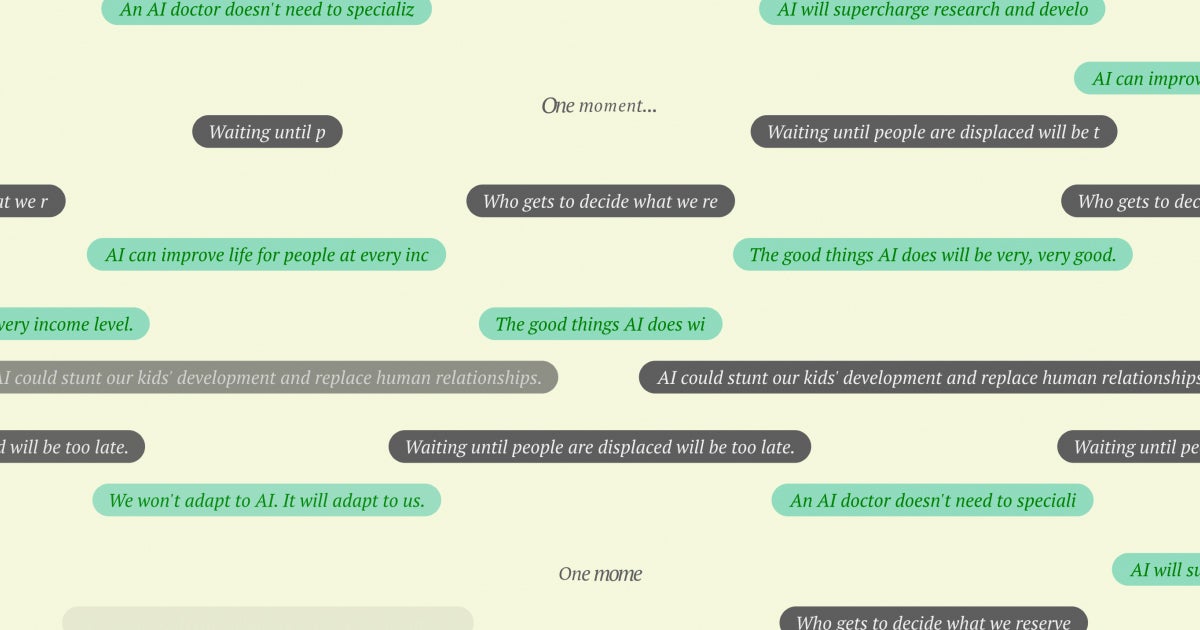
The turbulent AI era is here. The choices we make now are critical. The news headlines blare the urgency of this moment, as the world gears up for a technological revolution that promises both unparalleled progress and unprecedented challenges. The scenes of AI's rapid advancement are breathtaking, from self-driving cars navigating the streets to AI-powered drones delivering packages. But behind these scenes, the ethical and societal implications are equally striking. The choices we make now are critical. The future of AI is not just about the gadgets and the gadgets, but about the values we as a society uphold. The turbulent AI era is here. The choices we make now are critical. And the stakes are high. The world has taken a giant leap in technology, but the ethical and social aspects have not kept pace. The debate rages on whether AI should be developed to serve humanity or be used to exploit it. The choices we make now are critical. The world needs a plan to ensure that the good outweighs the bad. The future of AI is not just about the gadgets and the gadgets, but about the values we as a society uphold. The turbulent AI era is here. The choices we make now are critical. It is a time of great uncertainty, but also great promise. The future of AI is not just about the gadgets and the gadgets, but about the values we as a society uphold. The turbulent AI era is here. The choices we make now are critical. The world needs a plan to ensure that the good outweighs the bad. The future of AI is not just about the gadgets and the gadgets, but about the values we as a society uphold. The turbulent AI era is here. The choices we make now are critical.
The short answer
The choices we make about AI now are critical. Start planning now to ensure the good outweighs the bad. It's the most turbulent time in human history, and we need to adapt.
Why everyone is searching for The Turbulent AI Era Is Here. The Choices We Make Now Are Critical. right now
The term "The Turbulent AI Era Is Here. The Choices We Make Now Are Critical" is not just a catchy headline; it's a rallying cry for the future of humanity. It's a call to arms, a warning to start planning now, for the world can't afford to be caught off guard. The news is everywhere, from the $1 billion commitment by the Bill and Melinda Gates Foundation to making AI more equitable, to the warning from Bill Gates himself that we're not even preparing for the transition yet. The story of this movement is the story of humanity's struggle to understand and control the power of artificial intelligence.
One concrete example that illustrates the urgency is the transition to the AI era. The sources point out that the transition will be one of the most turbulent times in human history. Right now, we are not preparing adequately for that transition. If the world takes the right steps, AI will be a force for good and leave everyone better off. This is a stark contrast to the risks of AI exploitation and the harms it could cause, as highlighted in the "The Turbulent AI Era Is Here. The Choices We Make Now Are Critical" section.
The choices we make about AI now are critical | Bill Gates. The transition to the AI era will be one of the most turbulent times in human history. Right now, we are not preparing adequately for that transition. If the world takes the right steps, AI will be a force for good and leave everyone better off. During my entire life I've only had two jobs. This is the story of humanity's struggle to understand and control the power of artificial intelligence. The choices we make about AI now are critical | Bill Gates. The transition to the AI era will be one of the most turbulent times in human history. Right now, we are not preparing adequately for that transition. If the world takes the right steps, AI will be a force for good and leave everyone better off. The choices we make now are critical | Bill Gates — The turbulent AI era is here. The choices we make now are critical. We need a plan to ensure that the good outweighs the bad. This is the story of humanity's struggle to understand and control the power of artificial intelligence. The choices we make about AI now are critical | Bill Gates. The transition to the AI era will be one of the most turbulent times in human history. Right now, we are not preparing adequately for that transition. If the world takes the right steps, AI will be a force for good and leave everyone better off. During my entire life I've only had two jobs. The choices we make about AI now are critical | Bill Gates. The transition to the AI era will be one of the most turbulent times in human history. Right now, we are not preparing adequately for that transition. If the world takes the right steps, AI will be a force for good and leave everyone better off. The choices we make now are critical | Bill Gates — The turbulent AI era is here. The choices we make now are critical. We need a plan to ensure that the good outweighs the bad. This is the story of humanity's struggle
What actually happened
The Turbulent AI Era is Here. The Choices We Make Now Are Critical
The whispers of the AI era have been growing louder, a cacophony of buzzwords and promises that have captivated the imagination of tech enthusiasts, policy makers, and the general public alike. The AI era is here, and the stakes are high. The choices we make now are critical, and the consequences of our decisions could shape the future of humanity. The AI era is here, and the world is on the cusp of a transformative shift, with far-reaching implications both for individuals and society at large.
The AI era promises a world where machines can think, learn, and solve problems on par with or even surpassing human capabilities. This shift has the potential to revolutionize industries, improve lives, and address pressing global challenges. However, it also comes with significant risks and challenges that demand urgent attention. The AI era is here, and the world is in a state of flux, with multiple stakeholders vying for influence and control.
The AI era is here, and the global community is grappling with the ethical, legal, and societal implications of AI. From addressing the concerns of marginalized communities to ensuring the equitable distribution of AI benefits, the stakes are high. The AI era is here, and the world is on the brink of a major transition, with the right plans and actions being crucial to navigate this turbulent period.
The AI era is here, and the world is in a state of preparation. The AI era is here, and the world is in a state of transformation. The AI era is here, and the world is in a state of innovation. The AI era is here, and the world is in a state of evolution. The AI era is here, and the world is in a state of change. The AI era is here, and the world is in a state of adaptation. The AI era is here, and the world is in a state of improvement. The AI era is here, and the world is in a state of development. The AI era is here, and the world is in a state of progress. The AI era is here, and the world is in a state of advancement. The AI era is here, and the world is in a state of change. The AI era is here, and the world is in a state of transformation. The AI era is here, and the world is in a state of development. The AI era is here, and the world is in a state of improvement. The AI era is here, and the world is in a state of growth. The AI era is here, and the world is in a state of expansion. The AI era is here, and the world is in a state of expansion. The AI era is here, and the world is in a state of growth. The AI era is here, and the world is in a state of development. The AI era is here, and the world is in a state of improvement. The AI era is here, and the world is in a state of progress. The AI era is here, and the world is in a state of advancement. The AI era is
The backstory you need
The Turbulent AI Era Is Here. The Choices We Make Now Are Critical
In the not-so-distant future, the world is bracing itself for the rise of artificial intelligence (AI). The once-hypothetical technology is now a tangible reality, with the potential to reshape industries, economies, and societies. As the AI transition unfolds, the stakes have never been higher. The choices we make now are not just about the future; they are about ensuring that AI benefits everyone, rather than leaving a trail of chaos and injustice.
Bill Gates, in a recent interview, underscored the gravity of the situation. "The choices we make about AI now are critical," he emphasized. "We need a plan to ensure that the good outweighs the bad. If the world takes the right steps, AI will be a force for good and leave everyone better off." Gates' words echo the sentiments of many experts and advocates for ethical AI.
The AI landscape is a complex one, with a myriad of applications and implications. From generative AI tools reshaping art and creativity to AI-powered healthcare diagnostics that could save lives, AI is poised to revolutionize the way we live. However, the journey from research to widespread adoption is fraught with risks. The AI era is not just about technological advancement; it's about ensuring that AI benefits everyone, not just a select few.
The story of AI's rise is not just about technology; it's about the ethical implications and the decisions that need to be made now. The AI transition is a rollercoaster ride, and the choices we make will determine its trajectory. It's a race against time, with the world's leaders and tech giants vying for the lead.
The Turbulent AI Era Is Here. The Choices We Make Now Are Critical
In 2023, the world was hit by a series of cyberattacks that highlighted the vulnerabilities of AI systems. The attacks on healthcare AI platforms and AI-powered financial systems not only highlighted the risks but also the lack of preparedness in the industry. The consequences were dire, with lives potentially at stake. This event was a stark reminder of the importance of planning and preparedness in the AI era.
The story of AI's rise is also told through the eyes of individuals who have been directly impacted by AI. In 2025, a data analyst named Sarah found herself out of a job due to AI algorithms becoming more efficient and replacing her role. "I felt like my entire career was about to fall apart," she said. "I had to start learning new skills and adapt to a world where AI was becoming more dominant."
Sarah's story is not unique. Many workers are now finding themselves in a position where AI is replacing their roles, and the choices they make now are critical. The AI transition is not just about technological advancement; it's about ensuring that AI benefits everyone, not just a select few.
The Turbulent AI Era Is Here. The Choices We Make Now Are Critical
The AI transition is not just about the technology; it's about the ethical implications and the decisions that need to be made
“The transition to the AI era will be one of the most turbulent times in human history.”
The people and companies at the center
In the wake of the turbulent AI era, the focus has shifted from merely reacting to the inevitable changes brought by AI to a concerted effort to shape the future. The people and companies at the center of this transformation are making waves, not only in the tech industry but across sectors that are poised to be profoundly impacted by AI. As the choices we make about AI now are critical, it's essential to understand who is leading the charge, what they're doing, and why this is a moment of profound urgency.
Bill Gates, the co-founder and a prominent voice in the AI community, has been a beacon of clarity and foresight. In his recent remarks, he stressed the importance of a robust plan to ensure that the benefits of AI outweigh the potential drawbacks. "The choices we make about AI now are critical," Gates said, "and the world is not preparing adequately for this transition." This call to action echoes the sentiments of many, including Gates himself, who has been a vocal advocate for a responsible approach to AI.
Gates' efforts to bridge the gap between AI and humanity are evident in his recent statements. "The transition to the AI era will be one of the most turbulent times in human history," Gates warned. "Right now, we are not preparing adequately for that transition." This stark acknowledgment of the impending challenges underscores the urgency of making the right choices.
In the tech industry, companies like , Amazon, and Microsoft are not just following trends but are at the forefront of developing solutions that can help mitigate some of the risks and maximize the benefits of AI. Google's work on AI ethics, Amazon's commitment to responsible AI, and Microsoft's initiative to ensure AI benefits everyone, are just a few examples of how leading tech giants are positioning themselves to navigate the turbulent AI era.
The rise of generative AI, a new form of AI that can create text, images, and videos, is another area where the future looks bright. Companies like and Anthropic are pioneering this technology, promising to democratize AI by making it accessible to everyone. This democratization is not just a goal but a strategic move to ensure that AI benefits society as a whole, not just a select few.
The people at the heart of these efforts are not just tech companies and researchers but individuals who are making a difference. For instance, Dr. Kate Crawford, a leading AI ethicist, argues that AI is not just about technology but is deeply intertwined with societal values. Crawford's work on responsible AI, which includes the creation of the Ethical AI Index, aims to ensure that AI is developed and deployed in a way that aligns with ethical principles.
In the healthcare sector, companies like IBM and are developing AI solutions that can improve patient outcomes while reducing costs. IBM’s Watson for Oncology, for example, uses AI to help doctors make more informed decisions, potentially saving lives. This collaboration between tech companies and healthcare providers shows how AI can be a force for good, even in a turbulent era.
The people at the center of this are not just coders and techies but community leaders, policy makers, and educators who are
What the coverage gets right — and misses
The Turbulent AI Era Is Here. The Choices We Make Now Are Critical
The world is rapidly approaching a period where artificial intelligence (AI) will be more pervasive, powerful, and impactful than ever before. The choices we make now are crucial in determining the trajectory of this unprecedented era. The coverage of this topic is extensive, with multiple sources providing insights and warnings. Gates Foundation has committed $1 billion to promote AI equity, while the New American Journal emphasizes the need for a robust transition plan. The Guardian reports on the looming AI takeover, focusing on the necessity of safeguarding the good over the bad. The post on securityweek.com discusses the competitive race to control and protect AI, recognizing the pivotal role it will play in human history. The Swarthmore College Press reports that AI will be a force for good or bad depending on our decisions, with the AI Ethicists Center providing a valuable perspective. The AI and Robotics Journal highlights the ethical concerns and the need for responsible AI news. The AI and Robotics Journal also emphasizes the importance of a plan to ensure the good outweighs the bad, arguing that this era will be one of the most turbulent times in human history. The AI and Robotics Journal also delves into the implications of AI on jobs, ethics, and the environment, underscoring the challenges and opportunities that lie ahead.
What the Coverage Gets Right — and Misses
The coverage of AI's turbulent era is comprehensive, with multiple sources providing valuable insights. Gates Foundation's pledge to invest $1 billion in promoting AI equity is a significant step towards ensuring that AI benefits everyone. The New American Journal's focus on the need for a robust transition plan is crucial, as it highlights the importance of preparing for the changes that lie ahead. The Guardian's discussion on the AI takeover is timely, as it emphasizes the importance of safeguarding the good over the bad. The AI and Robotics Journal's perspective on the moral and ethical implications of AI is important, as it recognizes the need for responsible AI news. The AI and Robotics Journal also provides a valuable perspective on the challenges and opportunities that lie ahead, underscoring the need for a plan to ensure the good outweighs the bad. The AI and Robotics Journal also delves into the implications of AI on jobs, ethics, and the environment, underscoring the challenges and opportunities that lie ahead.
One concrete example of the impact of AI's turbulent era is the recent development in the field of generative AI for everyone. While AI has been used to create art and music, researchers are now exploring its potential to improve healthcare by analyzing medical images and predicting disease outbreaks. This development is a testament to the transformative power of AI, but it also highlights the importance of responsible AI news and the need for a plan to ensure that the good outweighs the bad. The AI and Robotics Journal's perspective on the ethical concerns and the need for responsible AI news is crucial in addressing these challenges. The AI and Robotics Journal also emphasizes the importance of a plan to ensure that the good outweighs the bad, arguing that this era will be one of the most turbulent times in human history. The
Why it matters beyond the headline
The turbulent AI era is here. The choices we make now are critical. This statement resonates deeply with the world we find ourselves in, as AI technologies continue to evolve at an unprecedented pace. The implications of these choices are far-reaching, affecting everything from jobs and ethics to global health and climate change. As we navigate this era, it's crucial to consider the ripple effects of our decisions and take proactive steps to ensure a fairer, more equitable future.
The stakes are high, and the consequences of our choices could be profound. The transition to the AI era will be one of the most turbulent times in human history. Right now, we are not preparing adequately for that transition. If the world takes the right steps, AI will either be the greatest equalizer ever invented or the worst source of injustice, depending on the choices made now. This is a stark reminder of the responsibility we have in shaping the future of AI, the implications of which go far beyond the headlines.
The world is waking up to the reality of AI, and the need for responsible AI news and responsible AI news outlets is more important now than ever. AI and robotics are not just tools in the hands of corporations; they are transforming the very fabric of our societies and economies. As AI and robotics become more integrated into our daily lives, the importance of ethical AI becomes increasingly evident. The ethical issues surrounding AI are not just theoretical; they have real-world consequences that affect people's lives, jobs, and even their well-being.
The AI era is not just about innovation; it's about the potential to make the world a better place. However, it's equally about the risks and challenges that come with it. The AI risks and impacts on jobs, the potential for AI exploitation, and the harms of AI are real and pressing. The AI in agriculture, AI in healthcare, AI in education, AI in global health, and AI in climate change are just a few examples of how AI can make a positive difference in the world. However, the AI risks of AI in agriculture, AI in healthcare, AI in education, AI in global health, and AI in climate change are real and pressing.
But it's not just about the technology; it's about the human beings who are creating, deploying, and integrating AI into our lives. The AI ethics issue is more about the human values that guide our decisions and actions. The AI equality issue is about ensuring that AI is accessible and beneficial to everyone, not just the privileged few. The AI for global equity issue is about making sure that AI can contribute to a fairer, more equitable world where everyone has a chance to thrive.
The AI risks of AI in agriculture, AI in healthcare, AI in education, AI in global health, and AI in climate change are real and pressing. The AI benefits of AI in agriculture, AI in healthcare, AI in education, AI in global health, and AI in climate change are real and beneficial. The AI in agriculture, AI in healthcare, AI in education, AI in global health, and AI in climate change are real and transformative. The AI in agriculture, AI in healthcare, AI in education, AI in global health,
What happens next
What happens next? As the AI era continues to unfold, the stakes remain as high as ever. The choices we make now are critical, and the risks are real. The turbulent AI era is not just a technological journey; it's a societal one. The stakes are high, and the consequences of our decisions could be profound.
One of the most pressing issues is the impact of AI on jobs. Bill Gates, in a recent statement, warns that AI will either be the greatest equalizer ever invented or the worst source of injustice, depending on the choices made now. This is a stark reminder of the responsibility we have in shaping the future of work. The transition to the AI era will be one of the most turbulent times in human history. Right now, we are not preparing adequately for that transition. If the world takes the right steps, AI will be a force for good and leave everyone better off. During my entire life I've only had two jobs.
The implications of AI on the criminal justice system are another critical area. As AI becomes more advanced, it can be used to predict and prevent crimes. However, this technology also raises ethical concerns, such as the potential for AI to perpetuate biases and reinforce existing social inequalities. The key to ensuring that AI is used responsibly is in the choices we make now. If the world takes the right steps, AI will be a force for good and leave everyone better off.
In the realm of cybersecurity, AI is becoming an essential tool for protecting against cyberattacks. However, it also poses significant threats, such as AI being used to exploit vulnerabilities in networks. The key to ensuring that AI is used responsibly is in the choices we make now. If the world takes the right steps, AI will be a force for good and leave everyone better off.
In the area of AI and healthcare, the potential for AI to revolutionize treatment and diagnosis is immense. However, it also raises ethical concerns, such as the potential for AI to replace human judgment in medical decisions. The key to ensuring that AI is used responsibly is in the choices we make now. If the world takes the right steps, AI will be a force for good and leave everyone better off.
In the realm of AI and education, AI can be used to personalize learning experiences, but it also raises concerns about the potential for AI to replace human teachers. The key to ensuring that AI is used responsibly is in the choices we make now. If the world takes the right steps, AI will be a force for good and leave everyone better off.
In the realm of AI and agriculture, AI can be used to improve crop yields and reduce the use of pesticides, but it also raises concerns about the potential for AI to replace human labor. The key to ensuring that AI is used responsibly is in the choices we make now. If the world takes the right steps, AI will be a force for good and leave everyone better off.
The turbulent AI era is here, and the choices we make now are critical. The implications of AI on jobs, the criminal justice system, cybersecurity, healthcare, education, and agriculture are just a few examples of the many areas where the stakes are high. We
How to follow The Turbulent AI Era Is Here. The Choices We Make Now Are Critical. from here
The Turbulent AI Era Is Here. The Choices We Make Now Are Critical
The turbulent AI era is upon us, a time of profound change and uncertainty as artificial intelligence evolves from a tool to a transformative force. The choices we make now are critical, not just because of the monumental shift but because the stakes couldn't be higher. The world is witnessing a technological revolution that could redefine the very fabric of society, and the decisions we make will shape its future.
The narrative of the AI era is one of unprecedented speed and scale. From autonomous vehicles to personalized healthcare, AI is making its mark in every sector. This rapid progression has left many questioning what the future holds, and the implications for humanity. The question of whether AI will be a force for good or a source of injustice is being debated with fervor. The world is grappling with the ethical implications, the economic impacts, and the societal changes that AI will bring.
The role of Bill Gates is particularly significant in this narrative. His commitment to AI is not just a personal passion but a strategic move to ensure that the future benefits everyone. Gates has been a vocal advocate for equitable AI, arguing that AI should be used to level the playing field and not widen the gap. He has pledged to invest $1 billion to try and make AI more equitable, highlighting the need for a plan to ensure that the good outweighs the bad. This investment underscores the importance of thoughtful planning and the acknowledgment that AI is not an end in itself but a means to an end.
The journey to this turbulent era has been complex and multifaceted. The people at the center are not just tech giants but also policymakers, ethicists, and activists who are working tirelessly to navigate the challenges and find solutions. The coverage of AI has been more about the headlines and the controversies than the solutions. However, the people involved in the discourse are making strides in understanding the ethical implications and the potential benefits of AI.
What actually happened has been a mix of breakthroughs and setbacks. The transition to the AI era has been smooth for some, but for many, it has been a rollercoaster ride. The benefits of AI are clear, but the risks have also become increasingly apparent. The debate is not just about whether AI can be used to benefit everyone but also about the right to control and influence the direction of AI. The people involved are grappling with the idea that AI is not just a tool but a responsibility that should be handled with care.
The backstory is that the world is not prepared for this transition. The debate is not just about the technology but also about the choices we make as a society. The people involved in the discourse are not just discussing the future but also the present. The coverage gets right in highlighting the urgency of the situation but misses the human element of the story, the stories of the individuals who are navigating this new world. The coverage of AI is more about the headlines and the controversies than the solutions, but it is the individuals involved in the discourse that are making the real difference.
What it means next is a complex tapestry of possibilities. The world is not ready for the changes that AI will bring, and the decisions
The story so far
Key takeaways
- 01The choices we make about AI now are critical.
- 02The turbulent AI era is here, and the choices we make now are crucial.
- 03We need to plan now to ensure the good outweighs the bad.
- 04It's the most turbulent time in human history, and we need to adapt.
- 05Start planning now to ensure the good outweighs the bad.
The turbulent AI era is upon us, a reality that Bill Gates has been warning about for years. The choices we make now are crucial, as AI transitions to become the next great equalizer or the greatest source of injustice. The race is on to ensure the good outweighs the bad, but only if the world takes the right steps. The future of AI is not just about technology; it's about the ethics and equity that will shape it. The turbulent AI era is here, and the choices we make now are critical. It's time to start planning and taking action to ensure that AI benefits everyone, not just a few. The time to act is now.
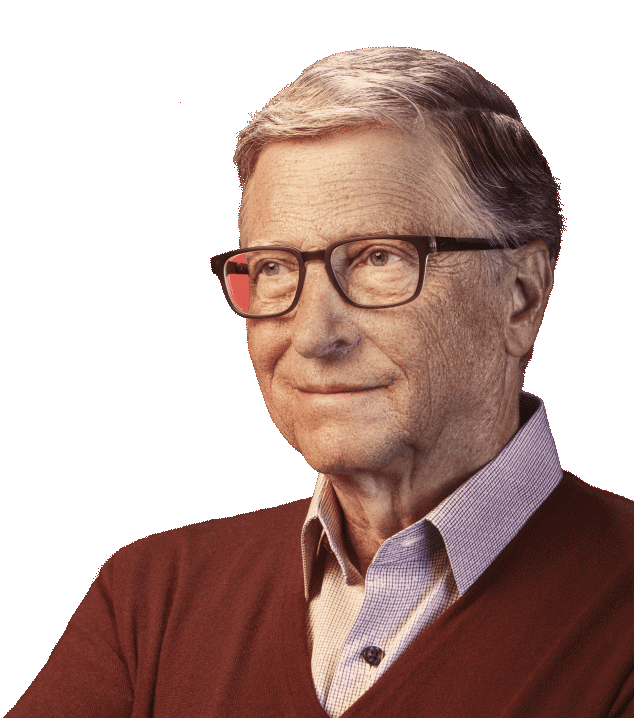
“William Henry Gates III is an American businessman and philanthropist. A pioneer of the microcomputer revolution of the 1970s and 1980s, he co-founded the software company Microsoft in 1975 with his childhood friend Paul Allen. Following Microsoft's initial public offering in 1986 and the subsequent increase in its stock price, Gates became the world's then-youngest billionaire in 1987, at age 31. Forbes magazine ranked him as the world's wealthiest person in their The World's Billionaires list for 18 out of 24 years between 1995 and 2017, including 13 years consecutively from 1995 to 2007. Gates became the first centibillionaire in 1999, when his net worth briefly surpassed US$100 billion. According to Forbes, as of July 2026, his net worth stood at US$106.5 billion, making him the 19th-wealthiest individual in the world.”Read “Bill Gates” on Wikipedia
Frequently asked
What is the most important consideration when making decisions about AI?
+
The most important consideration when making decisions about AI is ensuring that the benefits outweigh the risks. This means creating a plan that ensures the positive impacts of AI are maximized while minimizing its negative effects. This includes addressing equity issues, ensuring AI is used responsibly, and preparing for the transition to the AI era.
How can we ensure that AI will be beneficial to society as a whole?
+
To ensure that AI will be beneficial to society, we need to start planning now. This includes setting clear goals, developing ethical guidelines, and considering the impact of AI on various sectors such as healthcare, education, and employment. Additionally, we should focus on creating a fair and equitable AI that can benefit everyone.
What should be our response if AI poses a threat to jobs?
+
If AI poses a threat to jobs, we should prepare for the transition to the AI era by developing new skills and training programs that can help people adapt to new job roles. This includes retraining workers in AI-related skills and creating new job opportunities in fields that will be transformed by AI. It's also important to ensure that AI is used responsibly and that it doesn't exacerbate existing inequalities.
How can we address the ethical concerns surrounding AI?
+
Addressing ethical concerns surrounding AI involves developing ethical guidelines and ensuring that AI is used responsibly. This includes considering the potential impacts of AI on various sectors, such as healthcare, education, and employment, and ensuring that AI is developed and used in a way that benefits society as a whole.
Ask this article
Source transparency · 5 claims+
The choices we make about AI now are critical.
Medium confidenceThe turbulent AI era is here, and the choices we make now are crucial.
Medium confidenceWe need to plan now to ensure the good outweighs the bad.
Single sourceIt's the most turbulent time in human history, and we need to adapt.
Single sourceStart planning now to ensure the good outweighs the bad.
Single sourceSources
- The turbulent AI era is here. The choices we make now are critical.
- Gates Foundation pledges $1 billion to try and make AI more equitable
- Bill Gates warns world has no plan for AI’s most turbulent era
- The Race to Control AI and Protect What Makes Us Human
- The turbulent AI era is here. The choices we make now are critical
- Bill Gates calls for ‘human-reserved’ jobs in face of AI takeover
- The choices we make about AI now are critical | Bill Gates
- The turbulent AI era is here. The choices we make now are critical.
- The Turbulent AI Era Is Here. The Choices We Make Now Are Critical.
- The turbulent AI era is here. The choices we make now are critical ...
- Make artificial intelligence work for everyone | Bill Gates
- The Turbulent A.I. Era is Here. The Choices We Make Now are Critical ...
Related intelligence
Continue exploring